GABA
DWeak evidenceAt a glance
- Typical dose
- 100–300 mgMost human trials used amounts in this range, often from fermentation-derived GABA.
- Trials reviewed
- 14 studiesA 2020 systematic review of placebo-controlled human trials on stress and sleep.
- Verdict on stress
- Limited evidenceSome small studies report lower stress markers; others do not.
- Verdict on sleep
- Very limitedA few small trials, mostly short, some funded by manufacturers.
- Reaches the brain?
- DisputedWhether oral GABA crosses the blood–brain barrier in meaningful amounts is unresolved.
What is GABA?
GABA is an amino acid that the brain makes for itself from glutamate. It is the main inhibitory neurotransmitter: it damps down nerve signalling, which is why drugs that increase its effect, such as benzodiazepines, calm and sedate. GABA also occurs naturally in foods such as fermented products, tea, tomatoes and some grains, and some Japanese "GABA tea" and chocolate products are enriched with it. Supplements are either synthetic or produced by bacterial fermentation. PharmaGABA, a fermented form made with Lactobacillus hilgardii, is the ingredient used in many of the trials. A GABA supplement is not the same as a medicine that acts on the GABA system; the two work in completely different ways.
How it works
The obvious theory is that taking GABA tops up the brain’s supply and calms it. The problem is the blood–brain barrier, which controls what passes from the bloodstream into the brain. It has long been thought that GABA crosses it poorly. A 2015 review in Frontiers in Psychology concluded that the studies on this question are contradictory and methodologically varied, so the issue is genuinely unresolved rather than settled either way. The authors also raised another possibility: that any effect comes through the gut’s own nervous system, which uses GABA too and communicates with the brain through the vagus nerve. That is plausible, but it has not been demonstrated in people. In short, there is no established mechanism by which a GABA capsule would reliably calm the brain.
What the research actually shows
Evidence strength varies by what is being claimed, so each use is graded separately against the published criteria rather than averaged into one reassuring letter.
Reducing stress and anxiety
DWeak evidenceA 2020 systematic review in Frontiers in Neuroscience examined 14 placebo-controlled human studies of oral GABA and concluded there was limited evidence for stress benefits. Some small trials reported lower stress markers, such as changes in brainwave patterns, heart rate variability or salivary stress hormones, during a laboratory stress task. Others found nothing. Trials were small and short, used different doses and outcome measures, and several were funded by GABA manufacturers. Given the unresolved question of whether GABA reaches the brain, and the mixed results, D is the fair grade. There is no evidence that GABA helps with a diagnosed anxiety disorder, and it should not replace treatment for one.
Sources: Hepsomali P, Groeger JA, Nishihira J, Scholey A (2020), Boonstra E et al
Improving sleep
DWeak evidenceThe same 2020 review found very limited evidence for sleep. A few small trials reported that GABA shortened the time it took to fall asleep or improved self-rated sleep quality, but the studies were small, often short and not always well blinded. GABA is also a common ingredient in multi-ingredient sleep blends, usually at an undisclosed dose alongside melatonin, magnesium and other herbs, so any benefit from those products cannot be credited to GABA.
Sources: Hepsomali P, Groeger JA, Nishihira J, Scholey A (2020)
Working like calming medicines that act on GABA
FNot supportedSometimes implied, never supported. Benzodiazepines and similar drugs do not supply GABA; they make the brain’s existing GABA receptors respond more strongly. A GABA supplement does something entirely different, and may not reach the brain at all. There is no evidence that it produces comparable calming or sedative effects, and anyone taking one of those medicines should not assume a GABA supplement can replace it or help them come off it.
Sources: Boonstra E et al
Effective dosage
Most human trials used 100 to 300 mg of GABA, taken once, either before a stress task or about an hour before bed. Some sleep studies used daily dosing for a few weeks. Many trials used fermentation-derived GABA. There is no established optimal dose, and higher doses have not been shown to work better.
Where products diverge from the research. The dose on a single-ingredient GABA product is usually within the studied range, so the gap is elsewhere. In multi-ingredient sleep and stress blends, GABA is frequently hidden inside a proprietary blend with no stated amount. The larger gap is between what the label implies and what the evidence shows: a product sold as "calming" or "for restful sleep" on the strength of GABA’s role in the brain is borrowing the reputation of a neurotransmitter, not the results of trials of the supplement.
Safety, side effects and interactions
GABA appears to be well tolerated at the doses used in trials. Reported side effects are uncommon and mild, and include stomach upset, headache, drowsiness and a tingling sensation. Because some studies suggest it may lower blood pressure slightly, people taking blood pressure medicines should monitor their readings. Take care about combining it with alcohol or sedative medicines, including sleeping tablets, benzodiazepines and some antidepressants and anti-epileptic drugs, until you have checked with a pharmacist, and do not drive if it makes you drowsy. There is not enough safety information for pregnancy, breastfeeding or children. If you are struggling with anxiety or insomnia that affects your daily life, speak to a clinician; both conditions have treatments with far stronger evidence than this.
None of this is medical advice. See the medical disclaimer for what that means before you act on anything here.
Products we have covered containing GABA
Every label overview on this site whose Supplement Facts panel lists GABA, with the amount each one discloses.
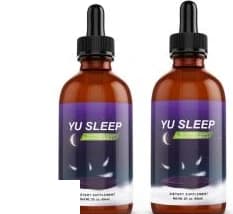
Yu Sleep
Nano-emulsified sleep drops built on a sensible idea — 0.9 mg of melatonin rather than the usual megadose — and sold on a 3,400-person study with no name, a 67 per cent weight-loss statistic with no source, and a formula containing 5-HTP with no warning of any kind attached to it.
Common questions
Does GABA supplement cross into the brain?
It is genuinely unclear. It has long been thought that GABA crosses the blood–brain barrier poorly, but a 2015 review found the studies contradictory and concluded the question is unresolved. Any effect might instead act through the gut’s nervous system, but that has not been shown in people.
Does GABA help with anxiety?
There is limited evidence it may reduce some measures of stress in small, short laboratory studies. There is no evidence it treats an anxiety disorder, and it should not replace proper treatment.
Does GABA help you sleep?
The evidence is very limited. A few small trials reported slightly faster sleep onset or better self-rated sleep, but a 2020 systematic review judged the overall evidence very limited.
Is GABA the same as Valium or other sedatives?
No. Those medicines make the brain’s GABA receptors respond more strongly; they do not supply GABA. A GABA supplement works in a different way, if it works, and there is no evidence of similar effects.
How much GABA should I take?
Trials mostly used 100 to 300 mg, taken before a stressful task or about an hour before bed. There is no evidence that higher doses work better.
Is GABA safe?
It appears safe at typical doses, with mild and uncommon side effects. Check with a pharmacist before combining it with alcohol, sleeping tablets or other sedating medicines, and monitor your blood pressure if you take medication for it.
References
- Hepsomali P, Groeger JA, Nishihira J, Scholey A (2020). Effects of oral gamma-aminobutyric acid (GABA) administration on stress and sleep in humans: a systematic review. Frontiers in Neuroscience 14:923 — 14 placebo-controlled studies; limited evidence for stress, very limited for sleep.
- Boonstra E et al. (2015). Neurotransmitters as food supplements: the effects of GABA on brain and behavior. Frontiers in Psychology 6:1520 — evidence on blood–brain barrier passage contradictory; mechanism unclear.
Page history
- First published with per-claim evidence grades. Stress and sleep findings from the 2020 Frontiers in Neuroscience systematic review; blood–brain barrier and mechanism discussion from the 2015 Frontiers in Psychology review.
Related ingredients
Compiled by SNL Team