Weight management

Fat Burners.
Read the panel first.

Thermogenics, fibres and appetite formulas. We check the stimulant total, the serving size behind the front-label number, and whether the evidence covers the dose in the bottle.

How we read these labels
11 reviews
Fat Burners6.6 / 10

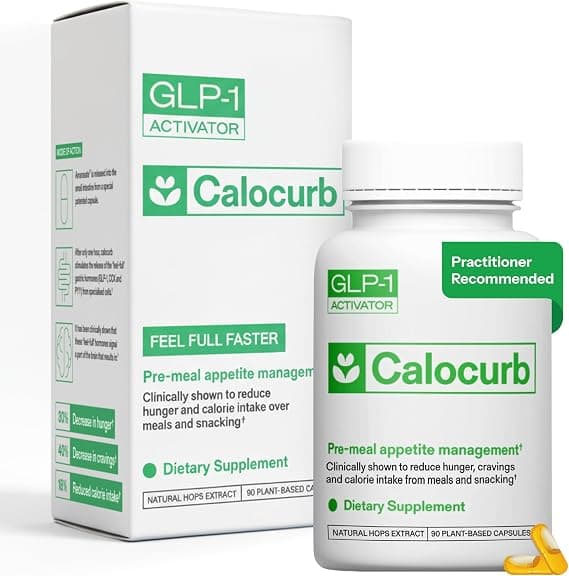
Calocurb (Amarasate)

The only supplement in the GLP-1 aisle with randomised human trials measuring both the hormones and the weight. The science is real, the dose on the label matches the dose in the studies — and at the label’s own target dose a bottle lasts 22 days, not the month it claims.

Ingredient analysisRead review
Fat Burners6.2 / 10

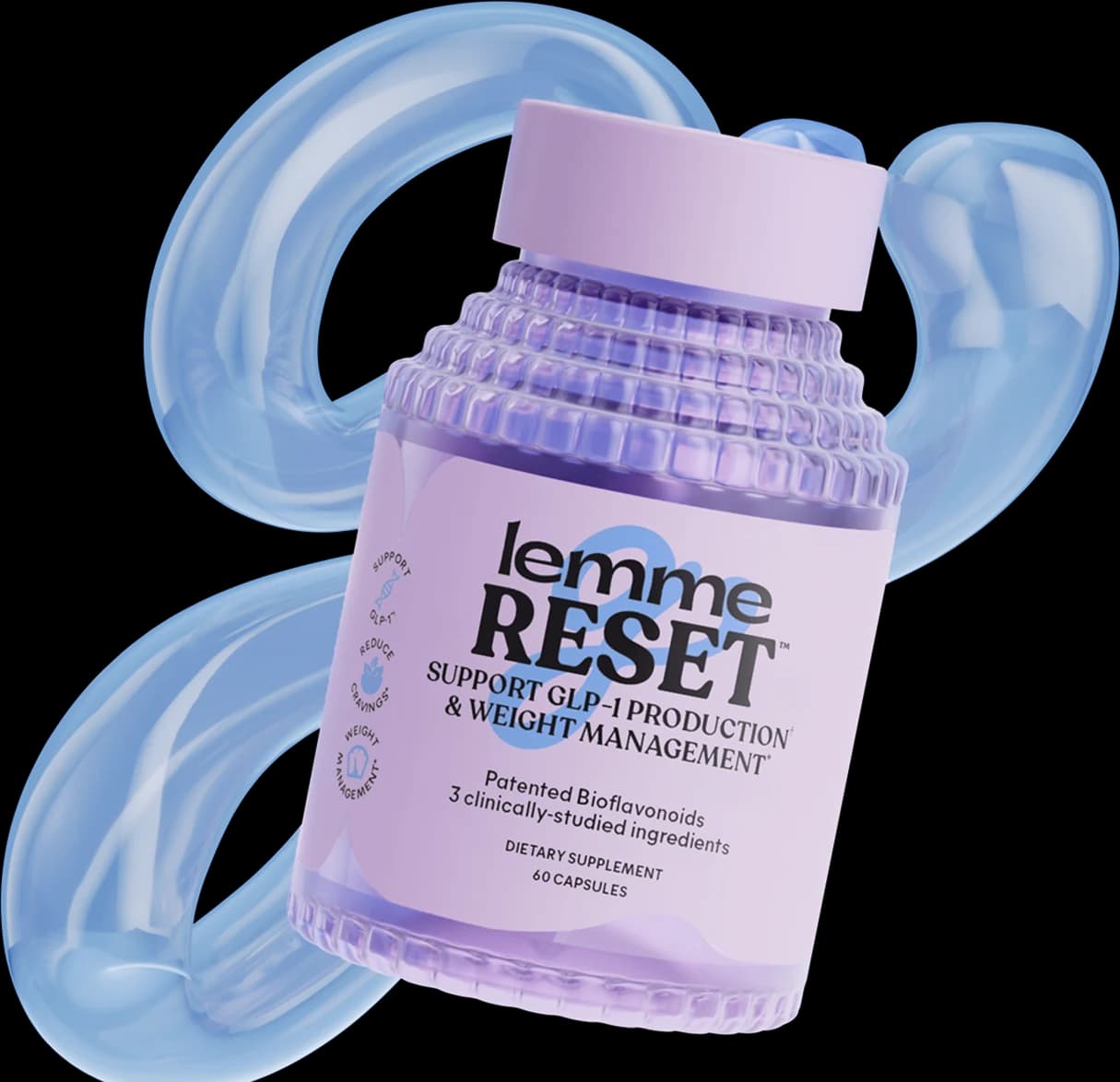
Lemme Reset (formerly GLP-1 Daily)

The best-dosed label in the GLP-1 supplement aisle: three branded extracts, each at the amount used in its own trial. The catch is the part in the name — the lemon extract that raised GLP-1 in its trial did not change anyone’s weight.

Ingredient analysisRead review
Fat Burners5.8 / 10

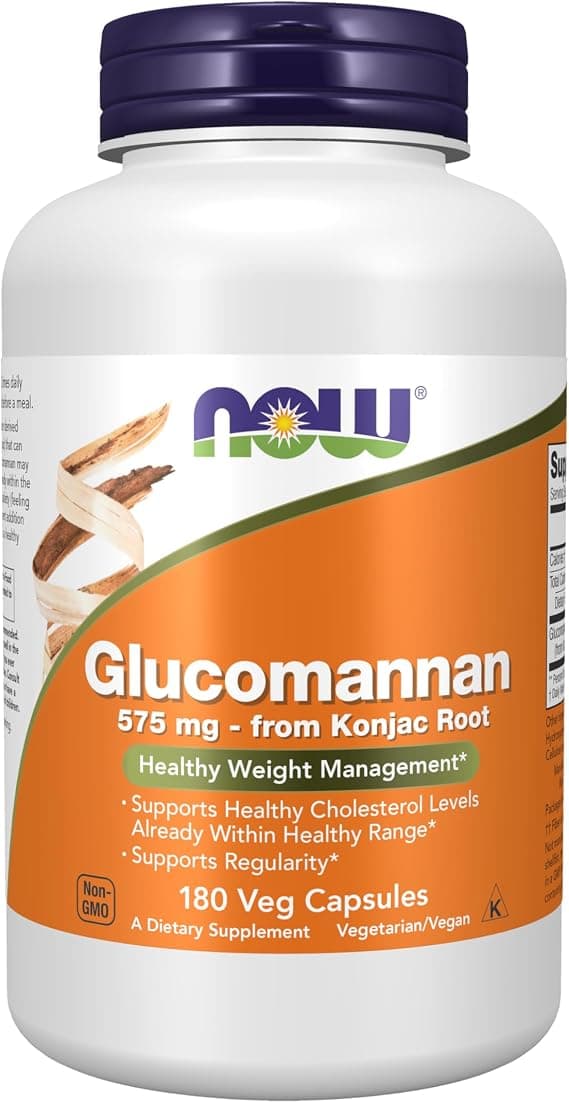
NOW Glucomannan 575 mg

An honest fibre capsule with a complete label, sold under a weight-management headline the trials do not support. The 575 mg on the front is one capsule; the serving is three, and at the label’s upper dose a 180-capsule bottle lasts a month, not six.

Ingredient analysisRead review
Fat Burners4.2 / 10

MEDVi Weight Loss

Medvi is a telehealth storefront for GLP-1 weight-loss drugs. The molecules are among the best-evidenced in medicine; the compounded versions it leads with are not FDA-evaluated, its tablets have no published human evidence, and its record includes an FDA warning letter addressed to the company, deepfaked ads and an F from the BBB.

Ingredient analysisRead review
Fat Burners3.8 / 10

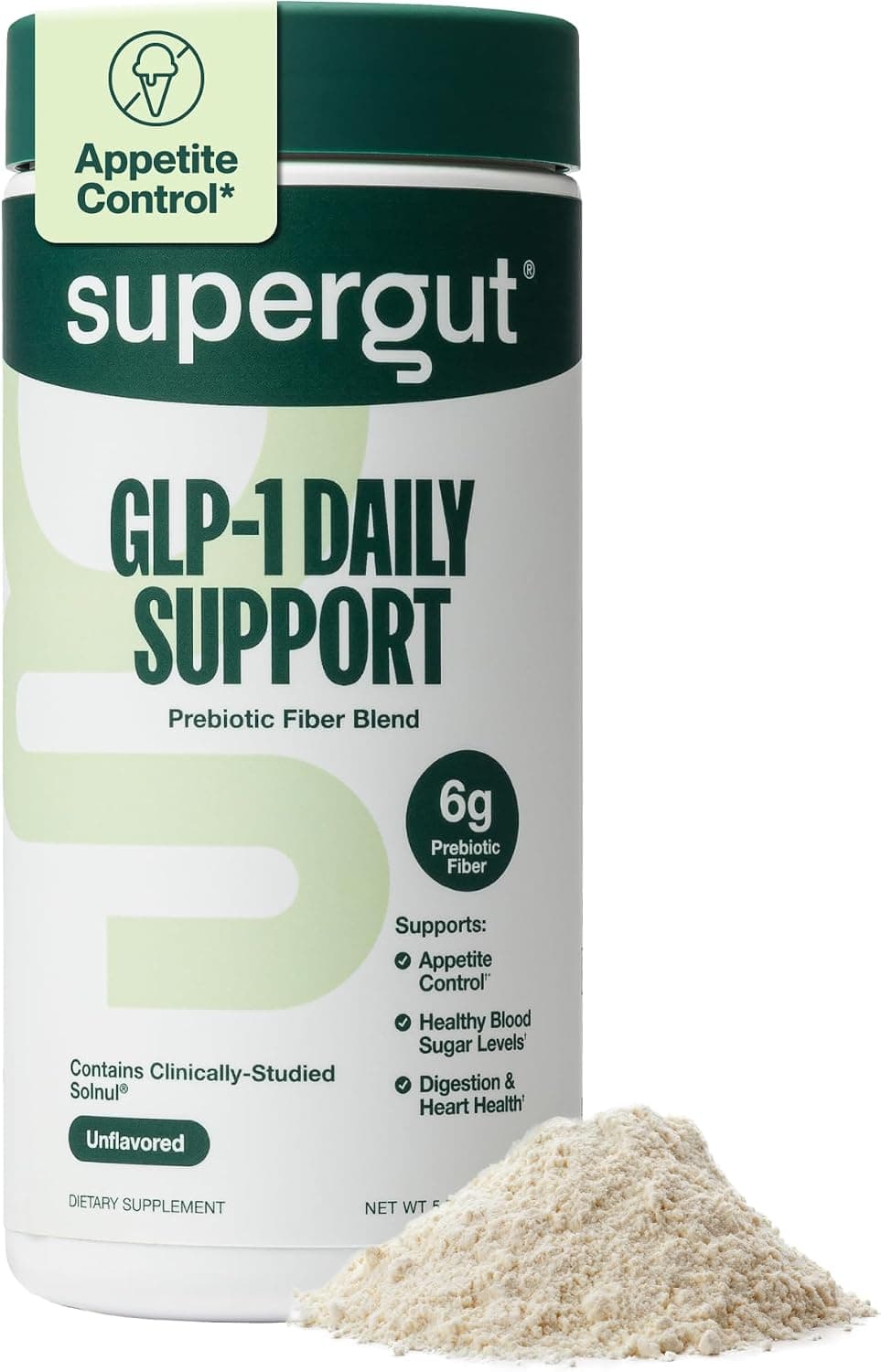
Supergut GLP-1 Daily Support (formerly GLP-1 Booster)

A pleasant, low-FODMAP resistant-starch fibre powder with a real mechanism behind it and a published trial behind the company. The trial was of a different product, in type 2 diabetes, and measured blood sugar rather than GLP-1 — and a scoop holds 6 g of fibre where the weight-loss research used 40.

Ingredient analysisRead review
Fat Burners3.2 / 10

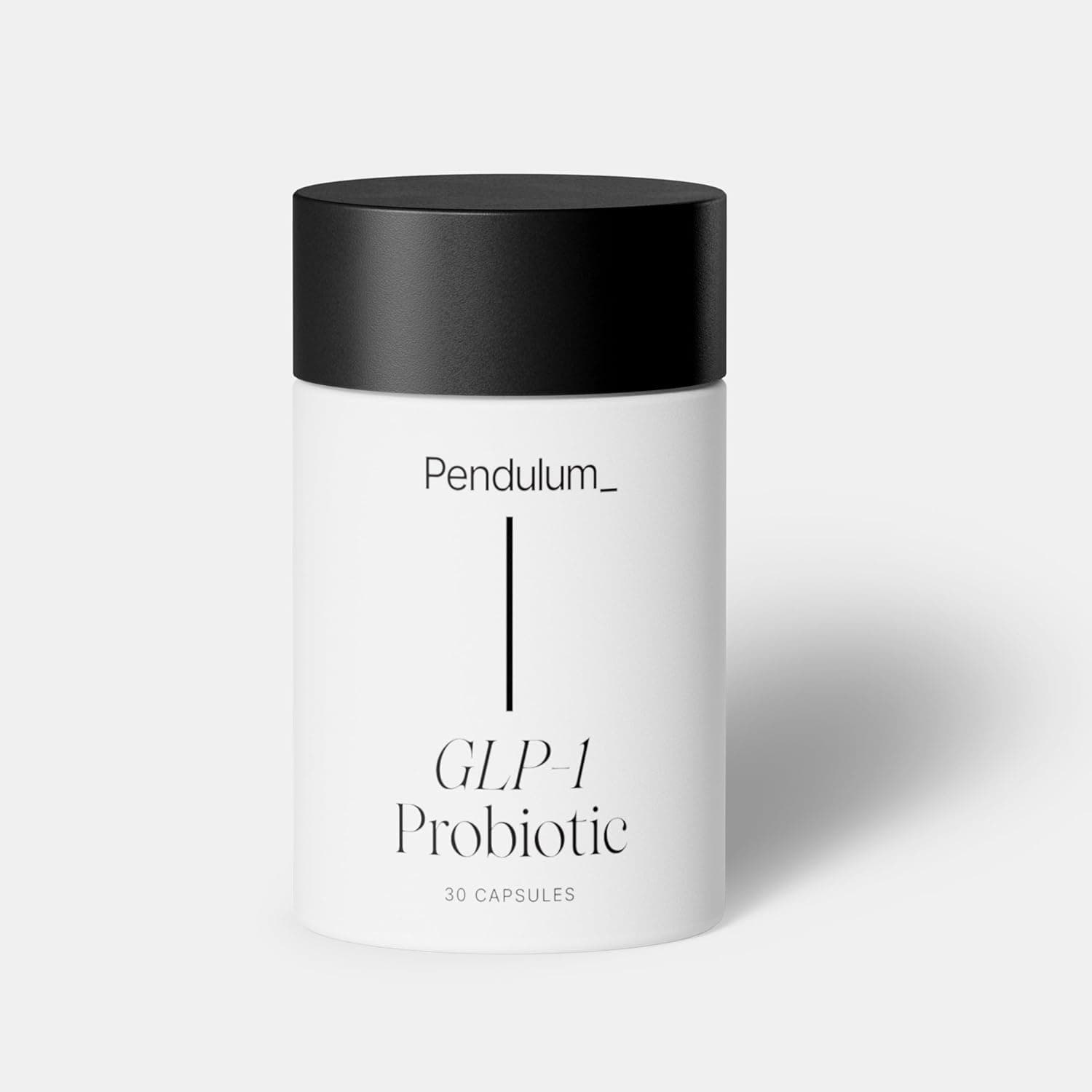
Pendulum GLP-1 Probiotic

A three-strain probiotic from the company that pioneered live Akkermansia, sold on GLP-1 and cravings. Pendulum’s own footnotes say the GLP-1 claims rest on preclinical studies and that the product is not intended for weight loss; the only human data is an uncontrolled customer survey.

Ingredient analysisRead review
Fat Burners2.8 / 10

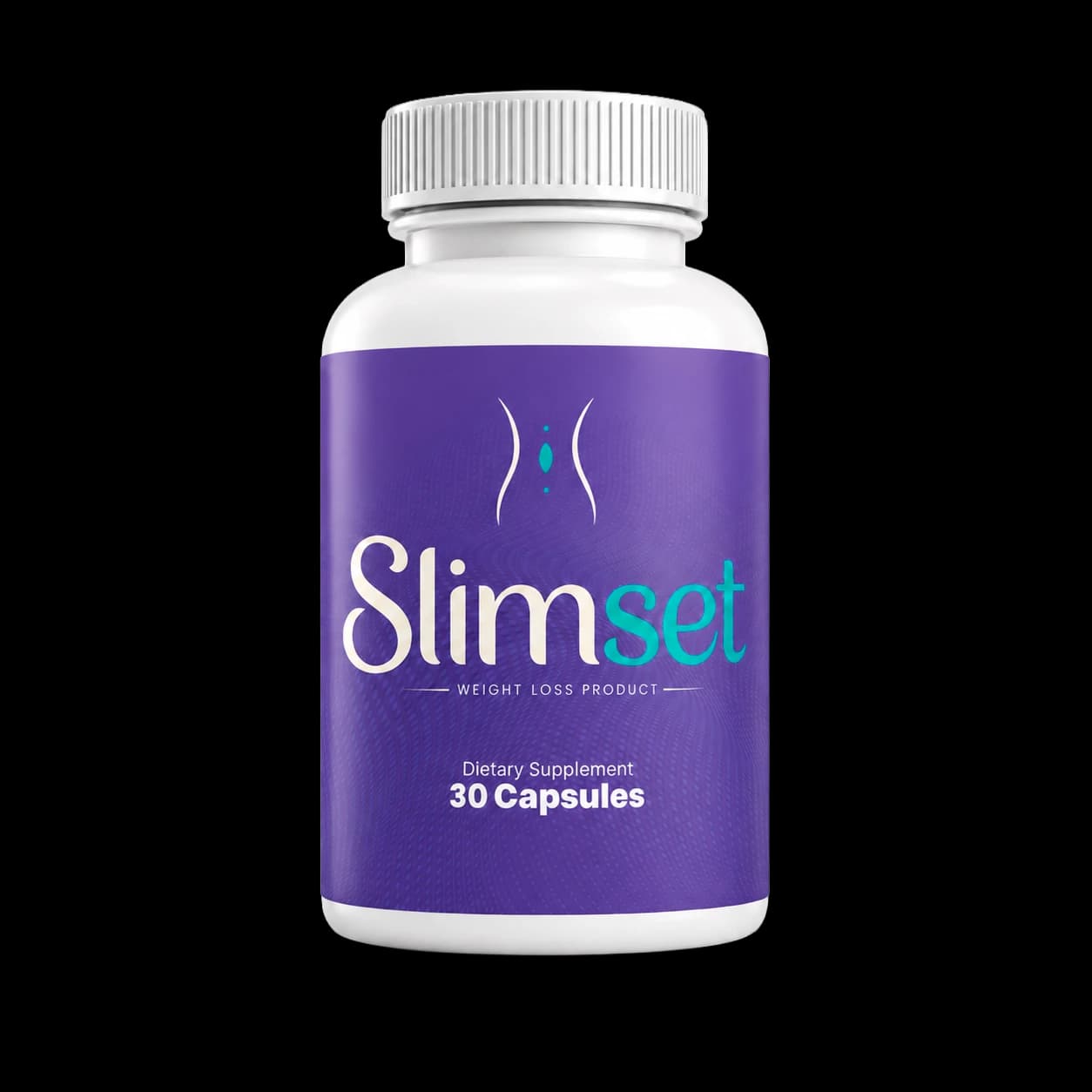
SlimSet

A one-capsule-a-day weight management supplement sold direct from its own sales page. Five ingredients are named; exactly one has an amount attached, and it is the caffeine. That single fact decides most of this review.

Ingredient analysisRead review
Fat Burners2.8 / 10

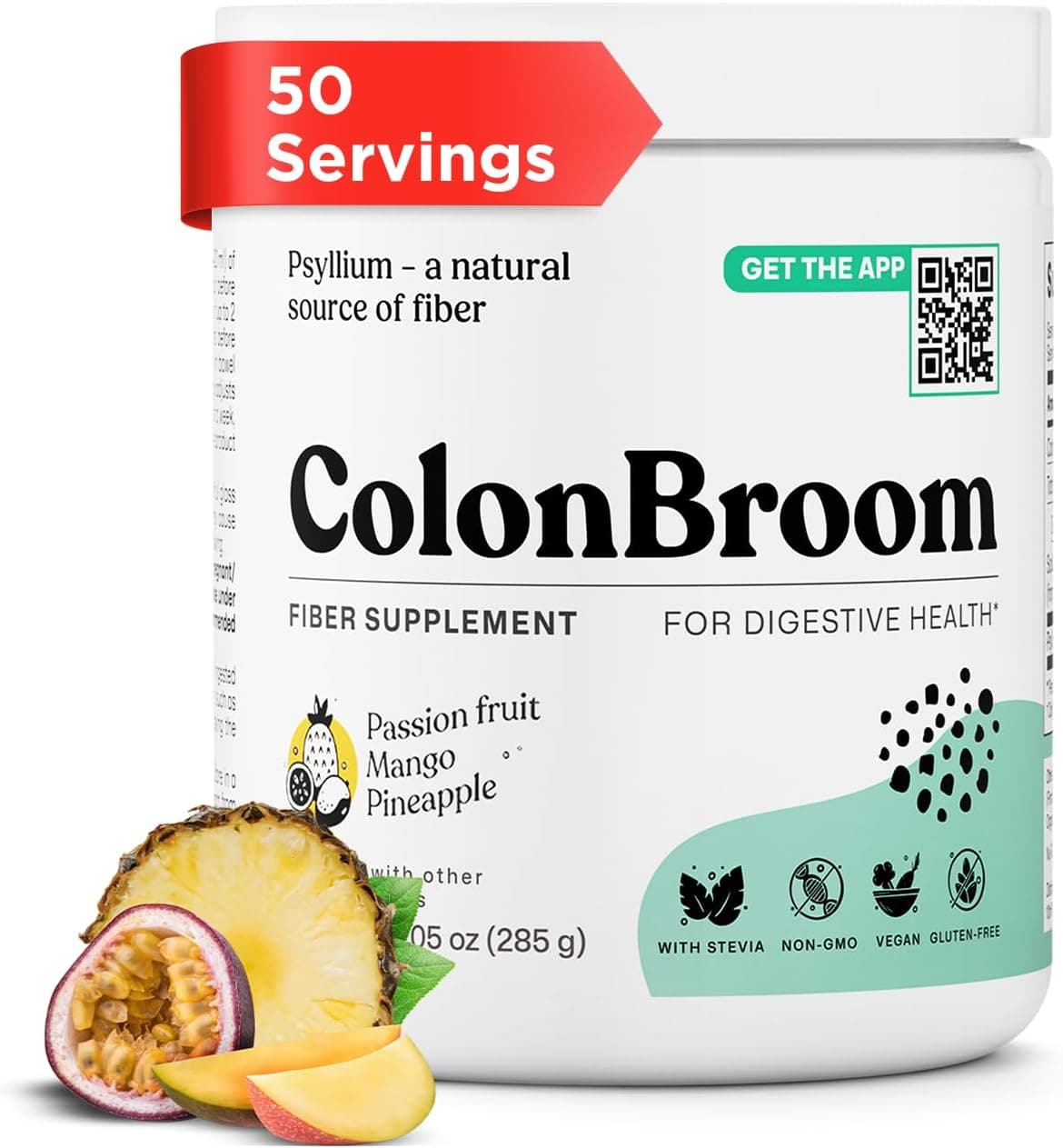
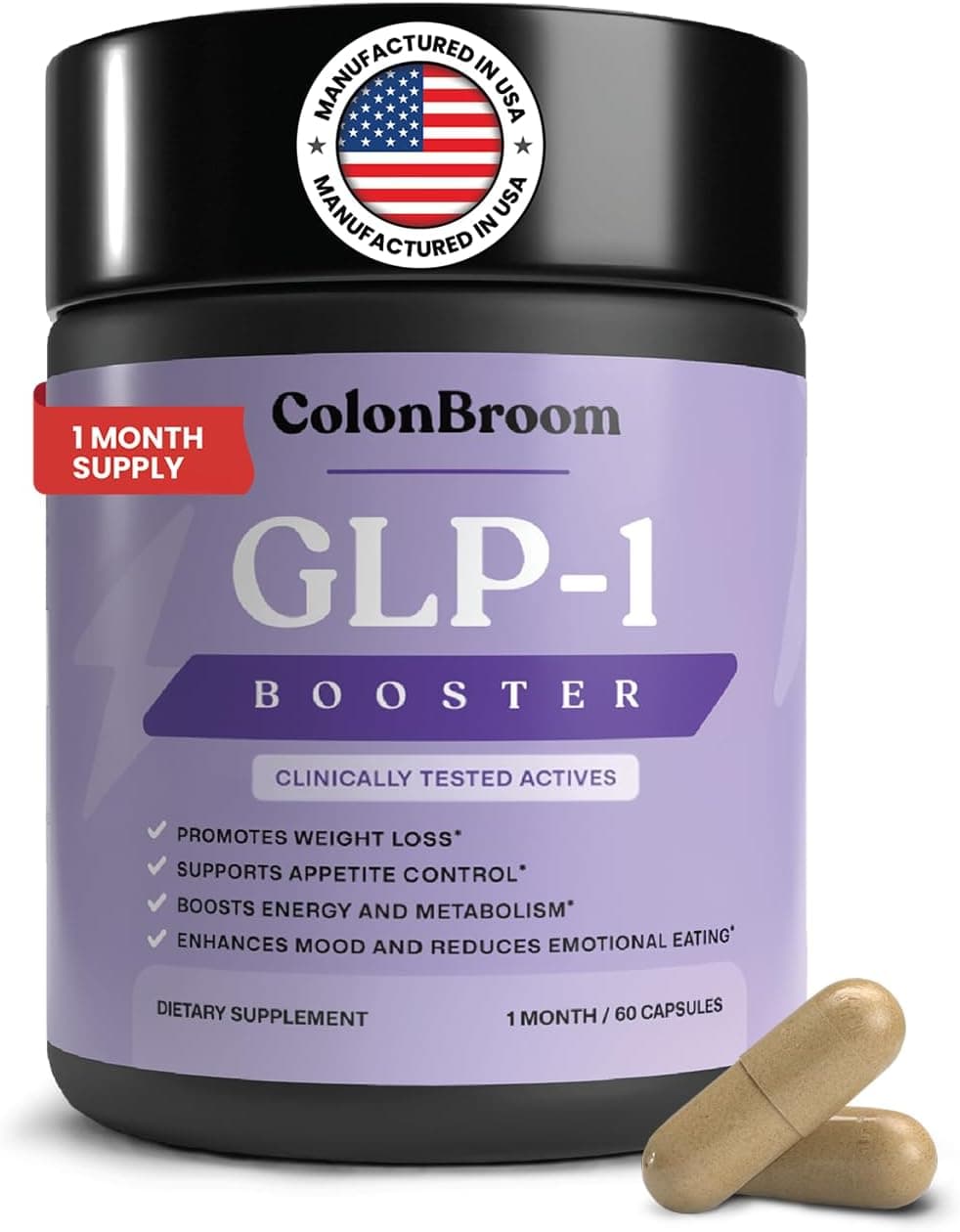
ColonBroom GLP-1 Booster

A berberine capsule that does not say how much berberine it contains. The label lists 200 mg of Berberis bark powder, where the weight research used more than 1,000 mg of berberine a day — and the product has changed formula twice in 18 months.

Ingredient analysisRead review
Fat Burners1.4 / 10

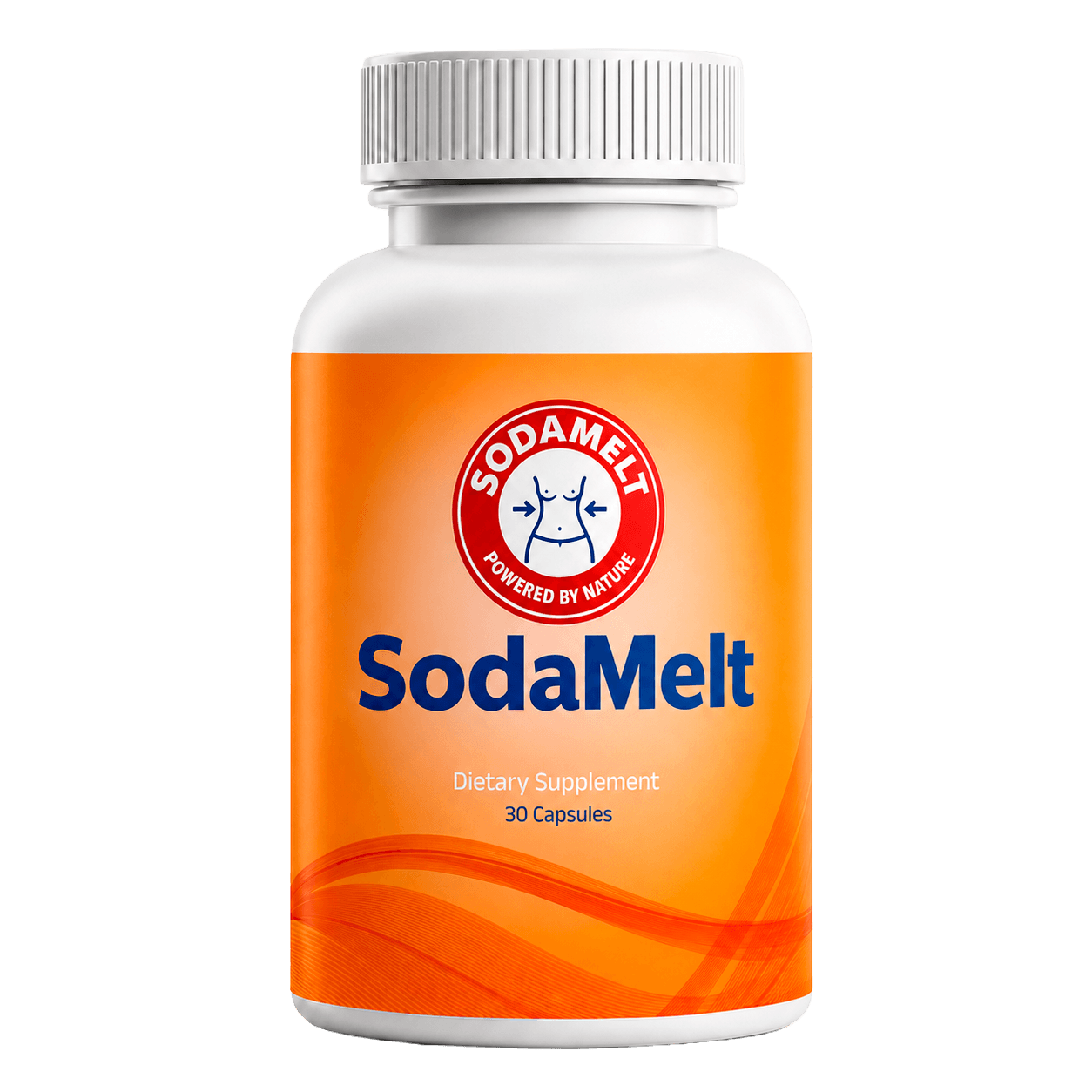
SodaMelt

Sold as a daily “metabolic wellness” capsule for bloating, and built on a proprietary blend containing cascara sagrada, buckthorn and Chinese rhubarb — three stimulant laxatives — on a page that promises no harsh laxatives and recommends taking it every day for three to six months.

Ingredient analysisRead review
Fat BurnersUnrated

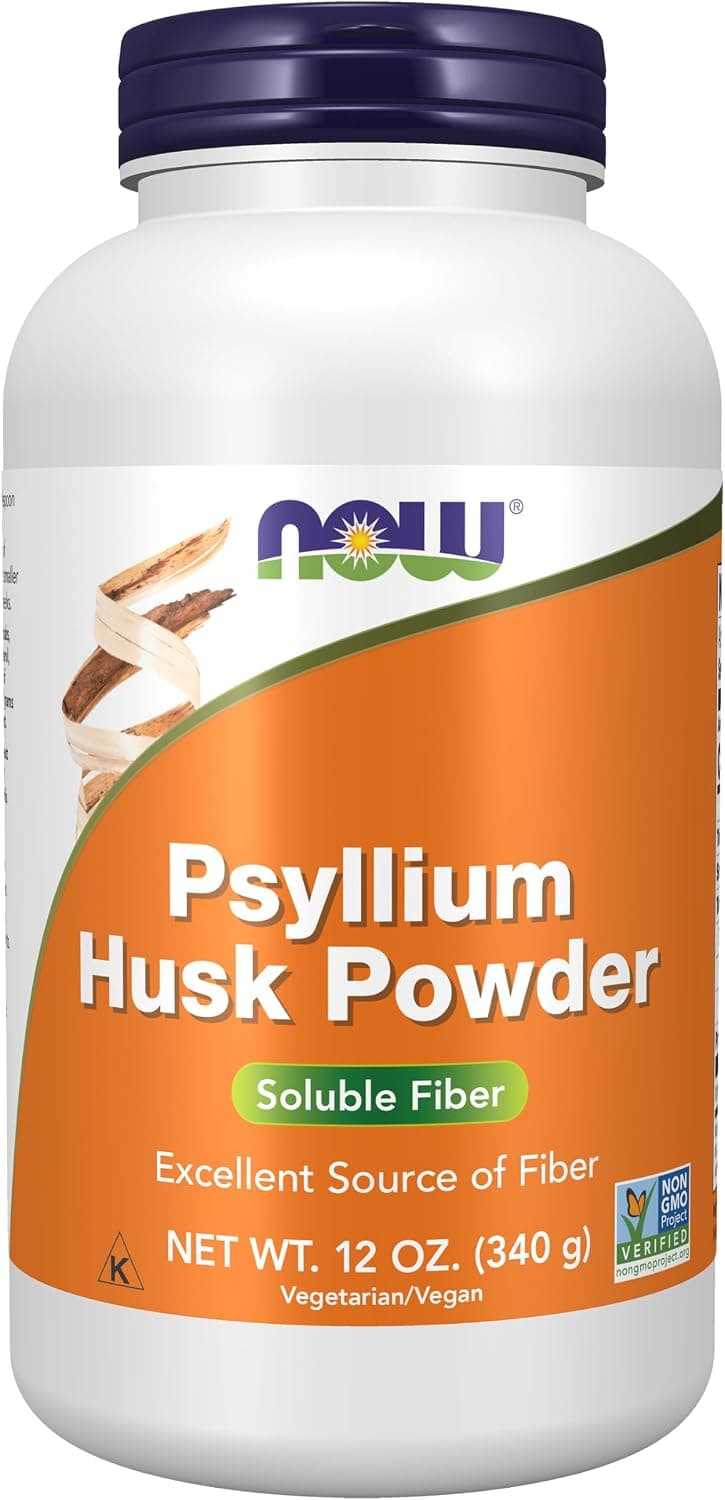
NOW Psyllium Husk Powder

A simple, unflavoured fibre powder with a clearly stated serving. Its appeal is the ingredient list; the real trade-offs are texture, preparation and how much you can verify about your bottle.

Label breakdownRead the label

What “fat burner” actually means

“Fat burner” is a marketing category, not one mechanism. Most formulas combine stimulants intended to raise alertness or energy expenditure, fibres intended to affect fullness, and plant extracts promoted for fat metabolism. That combination does not make the finished product clinically proven. The useful question is smaller: which ingredient, at what dose, tested in whom, with what result?

How the common approaches work

Caffeine stimulates the central nervous system and can temporarily increase alertness and energy expenditure. Appetite-oriented products often use soluble fibres that absorb water. Thermogenic blends may pair caffeine with green tea catechins or pepper extracts. None of these routes replaces an energy deficit, sleep or a sustainable eating pattern, and a mechanistic explanation is not proof of meaningful weight loss.

What to look for

Start with the total caffeine per full daily serving, including guarana, yerba mate and tea extracts. Reject a proprietary blend that hides stimulant amounts. Check whether the extract is standardised, whether the dose matches the cited research and whether batch testing can be verified. Be sceptical of “detox,” spot-reduction and effortless-loss language.

Common ingredients

Caffeine

Evidence: modest. It can increase energy expenditure for a period, but tolerance develops and more is not automatically better. Count every source on the label. Anxiety, insomnia, palpitations and blood-pressure effects matter.

Green tea extract

Evidence: small or uncertain effect. NIH’s Office of Dietary Supplements says green tea might help with a small amount of weight loss, while concentrated extract can cause adverse effects and has been linked to liver injury in some people. Tea as a drink and a concentrated extract are not interchangeable.

Glucomannan

Evidence: weak for weight loss. This konjac-root fibre absorbs water, but the NIH fact sheet concludes it has little to no effect on weight loss. It can cause gastrointestinal symptoms and must be taken with adequate fluid.

Green coffee bean and garcinia

Evidence: limited. Small signals are not a reason to ignore study quality, short duration or stimulant content. A formula should not turn preliminary evidence into a confident promise.

Primary reference: NIH Office of Dietary Supplements: Weight-Loss Supplements.

Who should pause before using one

People who are pregnant or breastfeeding, under 18, sensitive to stimulants, preparing for surgery, or managing heart rhythm, blood pressure, anxiety, liver or medication issues should speak with a qualified professional first. Combining a fat burner with coffee, pre-workout products or decongestants can raise the real stimulant exposure beyond the number that caught your eye.

Sumita’s editorial note

A crowded label does not impress me. A disclosed dose, a restrained claim and evidence that matches the actual formula do. If the product needs a proprietary blend to stop you checking the dose, that is already useful information.
Further reading

How to Get in Shape Fast for Women: Stronger in 8 WeeksHow to Get in Shape Fast for Men: Your First 8 WeeksHow much protein should a beginner eat in a day?Which vitamins should you take every day?What happens if you eat two apples a day for a week?What happens if you eat two pears a day for a week?Apples vs pears: which is better for diabetes?Fruit and diabetes: the glycaemic index and load of 16 common fruitsWhat happens if you eat prunes every day for a week?Does eating half a grapefruit before meals help you lose weight?Are raisins good for diabetes?What happens if you eat two peaches a day for a week?How to Do a Glute Bridge: Correct Form, Step by Step7 Essential Exercises for Beginners: A Simple Way to StartAshwagandha: Why you need to take?Ashwagandha: What happens if we take daily?5 signs of B12 deficiency, and who really needs a supplementVitamin D: how much, which form, and who is lowGLP-1, explained properlyThe best natural GLP-1 alternatives, ranked by what actually works
Also explore