Mutant Mass review
The big-serving rival to Serious Mass, reviewed against what weight-gain research actually shows. About 1,050 to 1,100 kcal and 56 g of protein per serving from a wider mix of carbohydrates and fats — and in the 6.8 kg bag it is the cheapest gainer we have priced. But the serving is still far bigger than most people need, and the allergen list is long.

Our take: the best of the big gainers, with the big gainers’ problem
Mutant Mass is the main rival to Optimum Nutrition’s Serious Mass: one enormous shake meant to add a meal’s worth of calories or more. Compared side by side, Mutant Mass is the better-built product. It has more protein per serving, a lower share of maltodextrin, some fat from oils and seeds, and in its 6.8 kg bag it is the cheapest gainer we have priced.
It shares their central problem, though. A full serving is about 1,050 to 1,100 kcal, which for most people is far more surplus than the research suggests for gaining mostly muscle. And its ingredient list, while complete, is long, organised into blends without individual amounts, and full of allergens.
This is a desk review. We have read the published label details, UK retailer listings and the research on weight gain and protein. We have not used this product, tested its contents or run a trial. We could not open Mutant’s own product page while writing, so the next section says where each figure came from.
What exactly are you buying?
Mutant Mass is sold in a 2.27 kg bag (8 servings) and a 6.8 kg bag. A serving is 280 g — four scoops — and UK listings give it as:
- About 1,050 to 1,100 kcal (listings give both figures for the same serving)
- 56 g of protein
- About 192 g of carbohydrate
- About 12 g of fat
That is roughly 3.4 g of carbohydrate for every gram of protein — better than Serious Mass at about five to one, but a long way from Myprotein Impact Weight Gainer at about 1.6 to one.
The three blends
The ingredients are grouped into named blends, listed in order of weight:
- Carbohydrate blend: maltodextrin, waxy maize (corn) starch, barley starch, sweet potato and rolled oats.
- Protein blend: whey concentrate, hydrolysed whey, whey isolate, micellar casein, milk protein concentrate and milk protein isolate — all milk proteins.
- Lipid blend: MCT oil from coconut, avocado, flaxseed, pumpkin seed and sunflower oil.
After these come thickeners (including defatted soybean, pea and guar gum), flavourings, sucralose, sunflower lecithin, lactase and protease enzymes, a cinnamon extract and tart cherry.
Two points on that list. First, the blend format tells you the order but not the amounts, so there is no way to know how much sweet potato or oat is in a serving; maltodextrin is listed first, so it is the largest carbohydrate. Second, the cinnamon extract and tart cherry are almost certainly present in small amounts, and there is no reason to buy a gainer for them. The added lactase is a genuinely useful touch for people who struggle with dairy.
What the research says about gaining weight well
Weight gain comes from eating more energy than you use; whether it is muscle or fat depends on resistance training, protein and the size of the surplus. A 2019 review of off-season nutrition for bodybuilders suggested aiming to gain around 0.25 to 0.5 per cent of body weight a week — roughly 0.2 to 0.4 kg for an 80 kg adult — because larger surpluses add proportionally more fat. For most people that is a few hundred extra kilocalories a day, so a full serving of Mutant Mass on top of normal meals is usually too much. Half a serving, about 530 kcal and 28 g of protein, is a better starting point.
Protein gains level off too: a 2018 meta-analysis by Morton and colleagues found gains in fat-free mass plateaued at around 1.6 g per kilogram of body weight a day. Our protein calculator works out your figure.
The case for drinking calories is real. In a 2000 study by DiMeglio and Mattes, people who drank an extra 450 kcal a day did not eat less food to compensate, while those given the same calories as jelly beans did. That supports any calorie-dense shake, including one you make yourself.
Price: work it out per 1,000 kcal
In listings read on 28 September 2026, the 2.27 kg bag ranged from £24.99 to £36.99 at mainstream UK retailers. With eight servings of about 1,075 kcal, that is roughly £2.90 to £4.30 per 1,000 kcal, or £3.12 to £4.62 a serving.
The 6.8 kg bag is where Mutant Mass pulls ahead. Mainstream listings ranged from £54.95 to £69.99, with a price comparison site showing £64. At about 24 servings, that is roughly £2.10 to £2.70 per 1,000 kcal — the cheapest gainer we have priced, ahead of Myprotein Impact Weight Gainer at about £2.90 to £3.90 and Serious Mass at about £3.30 to £5.00. We also saw listings as low as £40.56, but at least one was marked as past its best-before date, so check dates on any unusually cheap bag.
A home-made shake still wins: our estimate, using typical supermarket prices, is that milk, oats, a banana, peanut butter and a scoop of whey come to roughly £1.30 to £1.45 per 1,000 kcal. We read these prices from listings rather than taking an order through checkout.
Best alternatives
The ones we have fully reviewed are linked, and appear in the comparison cards below this article. The others we name for comparison only: we have not reviewed them in full, so do not read their inclusion as a recommendation.
- A home-made gainer shake — our first choice for most people. Milk, oats, a banana, peanut butter and a scoop of whey let you set the calories to the surplus you need, for well under the price per 1,000 kcal of any gainer.
- Myprotein Impact Weight Gainer (reviewed) — our higher-scoring gainer: a 388 kcal serving that fits a modest surplus, with a much higher share of protein, though dearer per 1,000 kcal than the 6.8 kg Mutant Mass.
- Optimum Nutrition Serious Mass (reviewed) — the closest like-for-like rival. Mutant Mass has more protein, a lower share of maltodextrin and a lower price per 1,000 kcal; Serious Mass adds 3 g of creatine.
- Myprotein Impact Whey (reviewed) — if protein is what you need rather than calories, whey with ordinary meals is the cheaper, more flexible tool.
Who should skip it, and what to watch for
The allergen list is long. UK listings show milk (several forms), soy, barley, coconut and corn in the ingredients, with may-contain warnings for wheat and fish. That rules it out for anyone with a milk or soy allergy, anyone with coeliac disease (barley contains gluten), and vegans. Check the allergen box for your flavour, since ingredients vary slightly.
Anyone with diabetes or prediabetes should talk to their GP or diabetes team before adding a shake with nearly 200 g of carbohydrate, and anyone with kidney disease should get advice before increasing protein. Big, sweet shakes commonly cause bloating and loose stools when first introduced; start with half a serving.
Weigh yourself weekly, and cut back if you are gaining faster than about 0.5 per cent of body weight a week. The listings we read made no banned-substance testing claim, so drug-tested athletes should look elsewhere. Food supplements sold in Great Britain are not approved by a regulator for safety or effectiveness before sale, so the label is the manufacturer’s responsibility rather than a regulator’s endorsement.
Sources and shopping: our UK buying checklist
Before you order, decide how many extra calories you need; for most people it is a few hundred a day, not a full serving. Check the bag size, the delivered price, the seller and the best-before date — heavily discounted bags are often short-dated. Divide the price by the total calories to get the cost per 1,000 kcal, and compare it with a home-made shake.
When the bag arrives, check the seal, the batch code and the best-before date, and read the allergen box for your flavour.
Our commercial link for this product is our Mutant Mass link. It earns us a commission at no extra cost to you, and it has no influence on the score above — which is a 6.4, ahead of Serious Mass and behind Myprotein Impact Weight Gainer, held back by an oversized serving, blends without amounts and a long allergen list.
The fair summary is this. If you want a big gainer, Mutant Mass is the better-built and, in the large bag, cheaper choice. Most people will still do better with half a serving — or with a blender and a bag of oats.
Ingredient analysis
Protein blend (whey concentrate, hydrolysed whey, whey isolate, micellar casein, milk protein concentrate and isolate)
strong evidenceComplete, high-quality milk proteins. The evidence that enough total daily protein supports muscle gain with resistance training is strong; gains level off at around 1.6 g per kg of body weight a day.
Full evidence on Whey protein blendCarbohydrate blend (maltodextrin, waxy maize starch, barley starch, sweet potato, rolled oats)
moderate evidenceSupplies the calories, which is the job of a gainer. Maltodextrin is listed first, so it is the largest share. Nothing here does anything that ordinary oats, rice or potatoes do not.
Lipid blend (MCT oil, avocado, flaxseed, pumpkin seed, sunflower oil)
weak evidenceAdds calories and some unsaturated fat. The amounts of each are not given, and there is no good evidence that MCT oil helps muscle gain.
Cinnamon extract and tart cherry
weak evidenceAlmost certainly present in small amounts. There is no reason to choose a gainer for them.
Who it’s for. What to consider.
Who it may suit
An adult who trains, genuinely struggles to eat enough, wants a big ready-mixed shake and has no milk, soy or gluten allergy — ideally buying the 6.8 kg bag and starting with half a serving.
Who should avoid it
Anyone allergic to milk or soy, anyone with coeliac disease, and vegans. Anyone with diabetes, prediabetes or kidney disease without medical advice. People who gain weight easily or mainly need more protein. Competing athletes who need a batch-certified product.
What stands out
56 g of protein per serving from six milk proteins
About 3.4 g of carbohydrate per gram of protein, better than Serious Mass
Carbohydrate from oats, sweet potato and starches as well as maltodextrin, plus some fat from oils and seeds
Added lactase for people who struggle with dairy
The 6.8 kg bag is the cheapest gainer we have priced, at about £2.10 to £2.70 per 1,000 kcal
Worth considering
About 1,050 to 1,100 kcal per serving, far more surplus than most people need
Ingredients sit in blends without individual amounts
Two calorie figures in circulation for the same serving
Contains milk, soy, barley and coconut; may contain wheat and fish
Still more than double the cost of a home-made shake per 1,000 kcal
Score breakdown
Five criteria, each out of 10, averaged to the overall score. See how we score products.
How does it compare?
A closer look at the alternatives. Compare the ingredients and serving sizes, then explore the full review.

Myprotein Impact Weight Gainer
The UK’s value-brand weight gainer, reviewed against what weight-gain research actually shows. A 100 g serving gives about 388 kcal and 31 g of protein — a far more sensible size than the 1,250 kcal giants — but it is still mostly maltodextrin and oats you could buy for less, and the sugar content is not given on the listings we read.
Optimum Nutrition Serious Mass
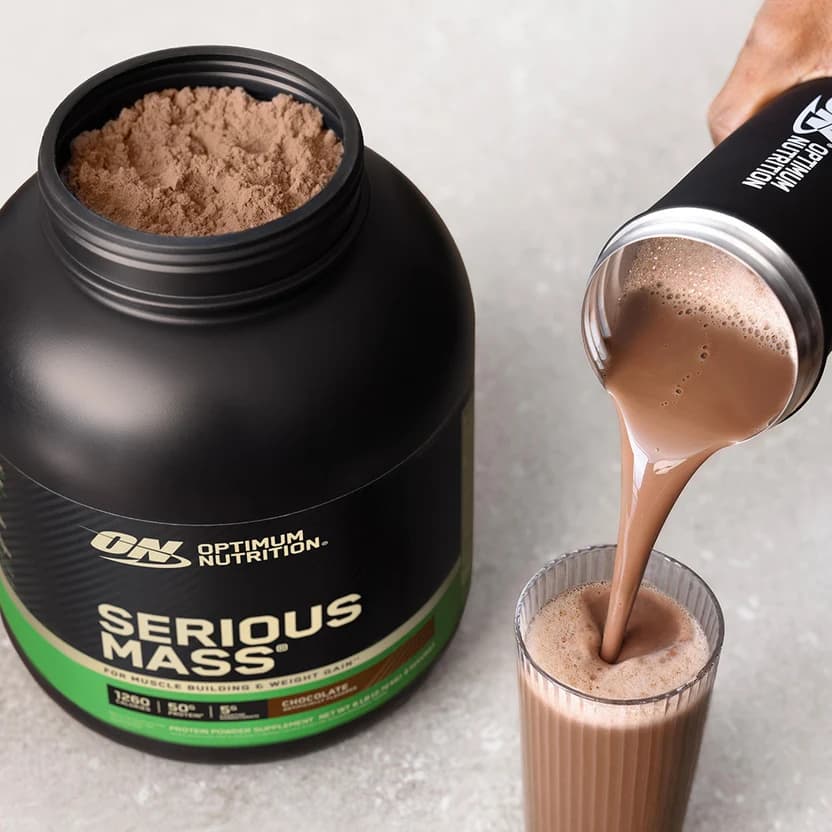
The best-known mass gainer in the UK, reviewed against what weight-gain research actually shows. It does exactly what it says — about 1,250 kcal and 50 g of protein in one shake — but most of those calories are maltodextrin, the serving is far bigger than most people need, and a home-made shake does the same job for well under half the price.
Myprotein Impact Whey Protein
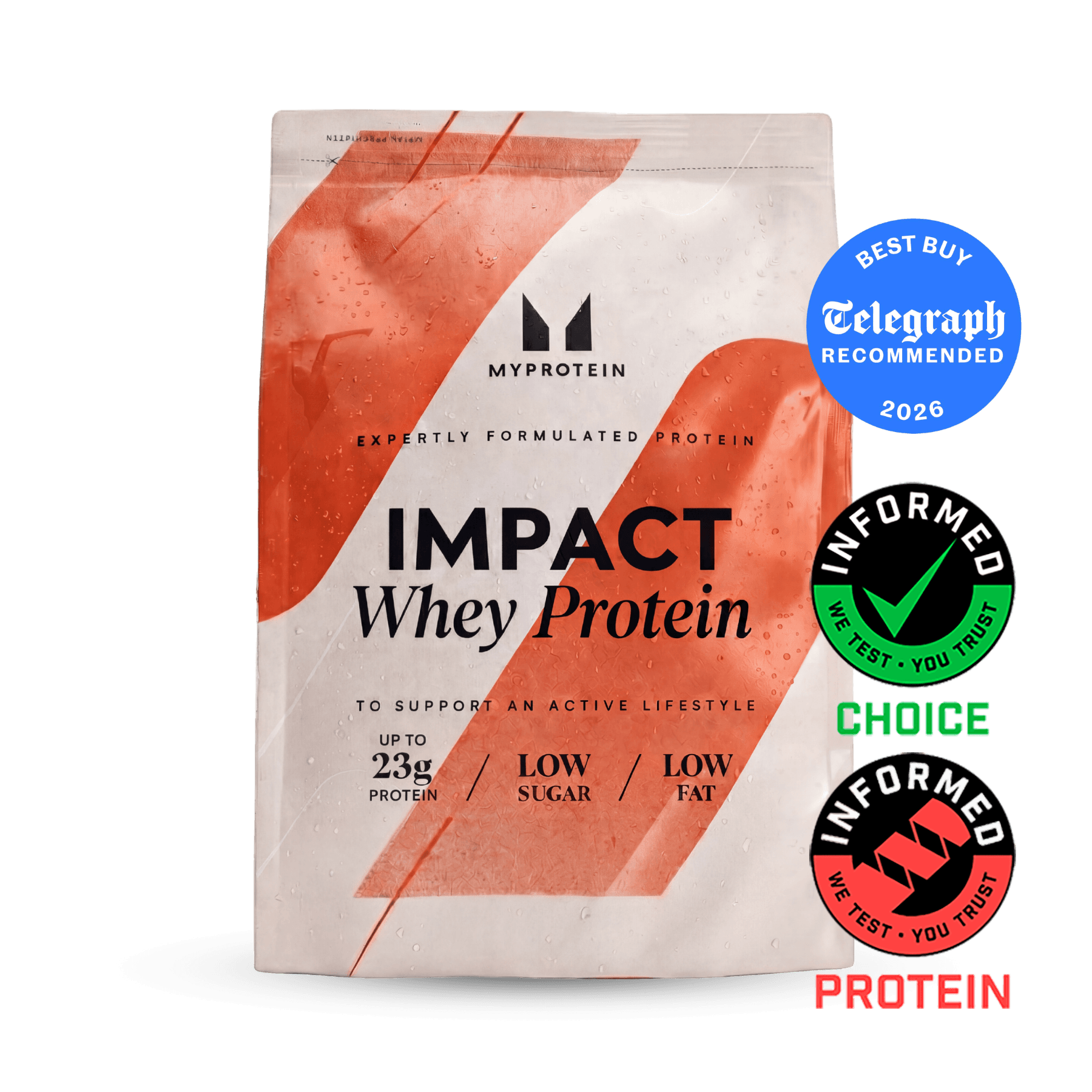
The UK price benchmark for whey, and the number every other tub should be measured against. A three-item label, £1.10 a serving on the brand’s own page, and a protein-content certification most rivals do not carry — set against a headline figure that flatters the range.
Affiliate links: we may earn a commission at no extra cost to you. Prices and availability change — check the seller before buying.
Where to buy
Affiliate link: we may earn a commission at no extra cost to you.
Check the current priceYour questions, answered.
Is Mutant Mass any good?
It is one of the better big-serving gainers: 56 g of protein, a lower share of maltodextrin than Serious Mass, and the cheapest price per 1,000 kcal we have seen in the 6.8 kg bag. But a full serving is more surplus than most people need, and the allergen list is long.
How many calories are in a serving of Mutant Mass?
UK listings give about 1,050 to 1,100 kcal per 280 g serving (four scoops), with 56 g of protein, about 192 g of carbohydrate and about 12 g of fat. A 2.27 kg bag holds eight servings.
Is Mutant Mass better than Serious Mass?
For most buyers, yes: more protein per serving, a lower share of maltodextrin, some fat from oils and seeds, and a lower price per 1,000 kcal. Serious Mass includes 3 g of creatine, which you can buy separately for pennies.
Is Mutant Mass gluten free?
No. It contains barley starch, which contains gluten, and UK listings carry a may-contain warning for wheat. Anyone with coeliac disease should avoid it.
Should I take a full serving?
Usually not at first. Research on gaining muscle suggests a weekly gain of about 0.25 to 0.5 per cent of body weight, which usually needs a few hundred extra kilocalories a day. Start with half a serving and adjust based on your weekly weight.
Community experiences
Reader submissions open once a page is published from the editorial database. This overview is maintained in code, so there is nothing to attach a submission to yet. If you have used this product, send it through the contact page and it will be considered when submissions open.
References
- Protein Package UK listing for Mutant Mass 2.27 kg — the serving size, ingredient list and allergen advice quoted here, read via search on 28 September 2026. proteinpackage.co.uk
- Discount Supplements UK listing for Mutant Mass 6.8 kg — the 56 g protein and 1,100 kcal per serving figures quoted here. discount-supplements.co.uk
- PriceSpy UK comparison for Mutant Mass 6.8 kg — the 6.8 kg price quoted here, read via search on 28 September 2026. pricespy.co.uk
- Iraki et al. (2019), Sports. Nutrition recommendations for bodybuilders in the off-season: a narrative review, including a target weight gain of about 0.25–0.5 per cent of body weight a week. doi.org
- Morton et al. (2018), British Journal of Sports Medicine. Systematic review and meta-analysis of protein supplementation and resistance-training-induced gains in muscle mass and strength. pubmed.ncbi.nlm.nih.gov
- DiMeglio and Mattes (2000), International Journal of Obesity. Liquid versus solid carbohydrate: effects on food intake and body weight. pubmed.ncbi.nlm.nih.gov
Page history
- First published for the UK market, as a full review of an alternative named in our gainer reviews. We could not open Mutant’s own product page, so the label details come from UK retailer listings read via search on this date. This is a desk review: nobody on our team has used this product.
- Scored 6.4 out of 10 against the five published product criteria. A better-built big gainer than Serious Mass and the cheapest per 1,000 kcal in its 6.8 kg bag. The marks lost are for an oversized serving, blends without amounts, two calorie figures in circulation and a long allergen list.
Compare it with
Side by side on the five scores, the dose against the studied amount, the cost per serving and what each label discloses.
- Mutant Mass vs NOW Omega-3 Molecularly Distilled6.4/10
- Mutant Mass vs Nature Made Vitamin D3 1000 IU7.4/10
- Mutant Mass vs Optimum Nutrition Gold Standard 100% Whey7.0/10
- Mutant Mass vs Myprotein Impact Whey Protein7.6/10
- Mutant Mass vs Kinetica Whey Protein8.0/10
- Mutant Mass vs Yu Sleep1.8/10
- Mutant Mass vs Pendulum Akkermansia4.0/10
- Mutant Mass vs Optimum Nutrition Micronised Creatine Powder7.4/10
- Mutant Mass vs Optimum Nutrition Opti-Men5.0/10
- Mutant Mass vs Optimum Nutrition Gold Standard 100% Casein Protein Powder6.6/10
- Mutant Mass vs Optimum Nutrition Serious Mass5.8/10
- Mutant Mass vs Myprotein Impact Creatine8.6/10
- Mutant Mass vs Myprotein Impact Weight Gainer6.8/10
- Mutant Mass vs Myprotein Slow-Release Casein7.6/10
- Mutant Mass vs Bulk Creatine Monohydrate8.2/10
- Mutant Mass vs Vitabiotics Wellman Original5.4/10
- Mutant Mass vs Tesco A–Z Multivitamins & Minerals6.0/10
- Mutant Mass vs Myprotein Alpha Men5.2/10
- Mutant Mass vs Optimum Nutrition Gold Standard 100% Plant Protein7.6/10
- Mutant Mass vs Myprotein Impact Vegan Protein8.2/10
- Mutant Mass vs Bulk Vegan Protein Powder7.4/10
Keep asking good questions.
Myprotein Impact Weight Gainer
The UK’s value-brand weight gainer, reviewed against what weight-gain research actually shows. A 100 g serving gives about 388 kcal and 31 g of protein — a far more sensible size than the 1,250 kcal giants — but it is still mostly maltodextrin and oats you could buy for less, and the sugar content is not given on the listings we read.
Optimum Nutrition Serious Mass
The best-known mass gainer in the UK, reviewed against what weight-gain research actually shows. It does exactly what it says — about 1,250 kcal and 50 g of protein in one shake — but most of those calories are maltodextrin, the serving is far bigger than most people need, and a home-made shake does the same job for well under half the price.
Myprotein Impact Whey Protein
The UK price benchmark for whey, and the number every other tub should be measured against. A three-item label, £1.10 a serving on the brand’s own page, and a protein-content certification most rivals do not carry — set against a headline figure that flatters the range.