NOW L-Theanine 100 mg review
One of the best-labelled products we have reviewed, and it is not quite the product its name describes: each capsule carries 100 mg of L-theanine alongside 250 mg of decaffeinated green tea extract — two and a half times as much of the thing not in the title.

Our take: a very good label on a slightly different product
This site spends most of its time complaining about what manufacturers will not tell you. So it is worth opening with the opposite. NOW publishes the full Supplement Facts panel in readable text on its own page, itemises both active ingredients with their own amounts, lists the other ingredients, states the servings per container, prints the suggested dose and the caution, declares its allergens, and shows the price. There is no proprietary blend. That is close to a model label, and it is why this page scores a 9 for transparency — the highest mark we have given anything.
Here is what that disclosure lets you see. The product is called L-Theanine 100 mg. Each capsule contains 100 mg of L-theanine and 250 mg of decaffeinated green tea extract. By weight there is two and a half times as much of the ingredient that is not in the name.
That is not a trick — the front of the bottle says “With Decaf Green Tea” and the panel is right there. But it changes what you are buying, it changes the safety conversation, and at the label’s own upper dose of two capsules a day it means 500 mg of concentrated green tea extract daily. Anyone who takes a separate green tea product should know that before adding this one.
There is also a quieter irony in the formula. Most of the research behind L-theanine tested it with caffeine, and the benefit repeatedly observed is the combination. This product pairs theanine with green tea that has had the caffeine taken out — removing the one thing the strongest evidence was built around.
This is a desk review of a published label and the research behind the ingredients. Nobody here has taken this product, and nothing on this page is a report of how it feels.
What the panel actually says
Serving size is one veg capsule and there are 90 per container. Per capsule: L-theanine 100 mg, decaffeinated green tea (Camellia sinensis, leaf) 250 mg. Both carry the note “Daily Value not established”, which is standard for substances without a set reference intake. Other ingredients are hypromellose for the capsule, rice flour, stearic acid from a vegetable source, and silicon dioxide.
The suggested usage is the sentence most worth reading twice: “Take 1 capsule 1 to 2 times daily as needed, with food. Do not take this product on an empty stomach; do not exceed recommended dose.” That defines a range rather than a dose, and the two ends of it are quite different products. One capsule is 100 mg theanine and 250 mg green tea extract. Two is 200 mg and 500 mg.
It also means the bottle lasts 90 days at the lower dose and 45 at the upper, which is the figure to use when comparing cost against another brand — not the capsule count.
The caution is fuller than most: “Take with food. For adults only. Consult physician if pregnant/nursing, taking medication, or have a medical condition (including liver disease). Keep out of reach of children.” The parenthesis is the part we would highlight. A manufacturer naming liver disease specifically, on a product containing concentrated green tea extract, is disclosing something rather than hiding it.
The product is labelled non-GMO, kosher and vegan, made without dairy, eggs, gluten, nuts or soy, and produced in a GMP facility that also processes those allergens. No third-party batch testing or certificate is mentioned.
The theanine: good dose, missing context
Our L-theanine evidence page grades the ingredient B overall, and the grade is worth reading carefully, because it is not a general endorsement. The B is for one specific use: taken with caffeine, theanine reliably changes how the caffeine feels, reducing jitteriness while attention improves. Combination trials typically pair 100 to 250 mg of theanine with 40 to 100 mg of caffeine.
For subjective stress and relaxation on its own — which is what this label markets — the grade is C. Several small trials report reduced self-reported stress and better sleep quality, generally at 200 mg daily, with small samples and self-reported outcomes. For memory or longer-term cognitive performance the grade drops to D, and the manufacturer’s “promotes healthy cognitive function” sits closer to that end than to the evidence it implies.
On dose, the product does well. 100 mg per capsule is the bottom of the studied range, and because the label permits two capsules you can reach 200 mg — the amount used in the stress and sleep trials — without exceeding the directions. That is better than many products, which put a studied dose out of reach unless you ignore the label.
The missing piece is the caffeine. If the best-supported use of theanine is alongside caffeine, and this formula uses decaffeinated green tea, then the product has removed the variable the strongest evidence depends on. You can of course take it with coffee, which is what most of the trials effectively did. The label just does not tell you that this is the scenario the research supports.
The “healthy vascular function” claim is the thinnest on the page. It is presented as following from the relaxing effect, which is a mechanistic chain rather than a measured outcome, and we would not buy the product for it.
The green tea extract is the part to think about
250 mg per capsule, up to 500 mg a day under the label’s own directions. That is a real exposure and it deserves its own paragraph rather than a footnote.
Our green tea extract page grades it C for weight loss and C for raising metabolic rate, and the central point there is not efficacy but the distinction between the beverage and the capsule. Concentrated extract has been linked to liver injury in some people; drinking tea has not. Treating the two as equivalent is the standard mistake in this category.
Two practical consequences. First, if you already take a green tea extract, a fat burner or a “metabolism” formula, check its panel before adding this — stacking concentrated extract from several products is how people reach amounts nobody intended. Second, NOW’s own caution naming liver disease is there for a reason, and if you have any liver condition this is a conversation with a clinician rather than a judgement call.
The extract is decaffeinated, which removes one variable and is a genuine point in the product’s favour: the capsule is not an unlabelled stimulant, and it will not quietly add to your daily caffeine. It is the catechins rather than the caffeine that carry the liver signal, though, so decaffeination does not address the concern above.
Price: what 24 cents buys
$21.99 for 90 capsules on the manufacturer’s own store, read on 22 September 2026. That is about 24 cents a capsule — so 24 cents a day at one capsule, 49 cents at two, and a bottle lasting 90 or 45 days accordingly.
Per 100 mg of theanine that is roughly 24 cents. Plain single-ingredient theanine capsules are widely sold and typically cheaper per milligram, so if theanine is what you want, this is not the cheapest route to it. What you are additionally buying here is 250 mg of green tea extract per capsule, which is a benefit or a cost depending entirely on whether you wanted it.
The manufacturer page shows a 4.8 rating, from six reviews. Six is a very small sample and we would not read anything into the number in either direction; it is not an effectiveness measure and it is not ours.
For contrast on disclosure rather than price, our Yu Sleep review covers another product containing L-theanine. It publishes no amount for it, no bottle volume and no serving definition. Same ingredient, opposite approach — which is the clearest illustration we have of what a label like this one is worth.
Who this suits, and who should look elsewhere
This suits someone who wants theanine and is comfortable with green tea extract coming along, or who specifically wants both. It is well made, fully disclosed, and the dose range lets you reach a studied amount without ignoring the directions. The label is genuinely better than most of what we look at.
If you want theanine alone, buy theanine alone. A single-ingredient capsule removes the green tea question entirely and will usually cost less per milligram. If you already take a green tea extract product, adding this one needs arithmetic first. And if the goal is memory, focus or productivity rather than relaxation, the evidence does not support that use at any dose.
Sources and shopping: what to check
Match the strength before you compare. NOW sells a 200 mg version of this product, and a shared brand name does not guarantee the accompanying ingredients are the same or simply doubled — read both panels side by side rather than the two front labels.
Work out your cost per day rather than per bottle, because the label permits one or two capsules and that halves or doubles everything. And if you take any regular medicine, or have a liver condition, take the panel to a pharmacist: the manufacturer asks you to, which is more than most manufacturers do.
All figures here come from the manufacturer’s own product page, read on 22 September 2026. Labels and prices change, and the linked source is authoritative rather than our copy of it.
Ingredient analysis
L-theanine
moderate evidenceGraded B on our evidence page, but that grade is specifically for use alongside caffeine. For the relaxation and stress use this product markets, the grade is C — small trials with self-reported outcomes, generally at 200 mg. For memory or focus it drops to D. 100 mg is the bottom of the studied range and two capsules reach the amount most stress trials used.
Full evidence on L-theaninePresent in addition to the theanine and at two and a half times its weight. Graded C on our evidence page. Concentrated extract has been linked to liver injury in some people — a risk that does not apply to drinking tea — which is why the manufacturer’s caution names liver disease. Decaffeination removes the stimulant concern but not this one. Check the total if you take any other green tea product.
Full evidence on Green tea extractThe capsule shell and standard manufacturing excipients rather than active ingredients. Listed in full on the panel, which is the point: these are the only unquantified items in the product and they are the ones where amounts do not matter.
Full evidence on Hypromellose, microcrystalline cellulose, L-leucine and silicaWho it’s for. What to consider.
Who it may suit
Someone who wants L-theanine for relaxation, is comfortable taking 250 to 500 mg of decaffeinated green tea extract alongside it, and values a label that itemises everything. The one-to-two capsule range lets you reach a studied theanine dose without exceeding the directions.
Who should avoid it
Anyone who wants theanine on its own — a single-ingredient capsule is cleaner and usually cheaper per milligram. Anyone already taking a green tea extract, fat burner or metabolism product, without adding up the total first. Anyone with a liver condition, who the manufacturer itself asks to consult a physician.
What stands out
Both actives itemised with their own amounts on the manufacturer’s own page — no proprietary blend
The full panel, other ingredients, dose, caution, allergen statement and price are all published in readable text
The one-to-two capsule range reaches 200 mg of theanine, the amount used in the stress and sleep trials, without exceeding directions
The green tea is decaffeinated, so the capsule adds no hidden stimulant to your day
The caution names liver disease specifically, which is a disclosure most green tea products do not make
Worth considering
The name says L-theanine; by weight there is two and a half times more green tea extract than theanine
At the label’s own upper dose that is 500 mg of concentrated green tea extract a day
Theanine’s best-supported use is alongside caffeine, and this formula decaffeinates the one caffeine source in it
“Healthy vascular function” is a mechanistic claim rather than a measured outcome
No third-party batch testing or certificate is mentioned
The 4.8 rating comes from six reviews, which is too small a sample to read anything into
Score breakdown
Five criteria, each out of 10, averaged to the overall score. See how we score products.
How does it compare?
A closer look at the alternatives. Compare the ingredients and serving sizes, then explore the full review.
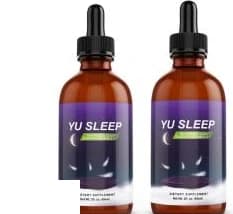
Yu Sleep
Nano-emulsified sleep drops built on a sensible idea — 0.9 mg of melatonin rather than the usual megadose — and sold on a 3,400-person study with no name, a 67 per cent weight-loss statistic with no source, and a formula containing 5-HTP with no warning of any kind attached to it.
Affiliate links: we may earn a commission at no extra cost to you. Prices and availability change — check the seller before buying.
Where to buy
Affiliate link: we may earn a commission at no extra cost to you.
View on AmazonYour questions, answered.
Is this pure L-theanine?
No, and the panel says so plainly. Each capsule contains 100 mg of L-theanine and 250 mg of decaffeinated green tea extract — two and a half times as much of the second as the first by weight. The front of the bottle does say “With Decaf Green Tea”. If you want a single-ingredient theanine capsule, this is not it.
How many capsules should I take?
The label says “Take 1 capsule 1 to 2 times daily as needed, with food. Do not take this product on an empty stomach; do not exceed recommended dose.” That is a range, and the ends differ meaningfully: one capsule is 100 mg theanine and 250 mg green tea extract, two is 200 mg and 500 mg. The bottle lasts 90 days at one a day and 45 at two.
Will it make me more focused?
The label markets relaxation and stress management, and that is the more defensible claim. Most theanine research pairs it with caffeine and measures short-term attention or subjective calm; our evidence page grades memory and longer-term cognitive benefit D. Treating a relaxation product as a focus product goes beyond what was tested.
Should I worry about the green tea extract?
Worth knowing about rather than worrying about, with one exception. Concentrated green tea extract has been linked to liver injury in some people, which is not a risk that applies to drinking tea, and the manufacturer names liver disease in its own caution. If you have a liver condition, or already take another green tea extract product, that is the conversation to have with a pharmacist before adding up to 500 mg a day.
Does the caffeine matter?
It is the quiet irony of the formula. Theanine’s best-supported use is alongside caffeine — the combination is what most trials tested and what our evidence page grades B. This product uses decaffeinated green tea, which removes that variable. Taking it with your morning coffee recreates the studied scenario; the label does not tell you that.
Does the 200 mg version just contain double?
Do not assume it. A shared brand name does not guarantee the accompanying ingredients are identical or simply doubled, and the green tea amount is the thing most worth checking. Compare the two full panels side by side rather than the front labels.
What does it cost per day?
The manufacturer listed 90 capsules at $21.99 on 22 September 2026, which is about 24 cents a capsule — so 24 cents a day at one capsule and 49 cents at two. Per 100 mg of theanine that is roughly 24 cents. Single-ingredient theanine is usually cheaper per milligram if the green tea extract is not something you want.
Community experiences
Reader submissions open once a page is published from the editorial database. This overview is maintained in code, so there is nothing to attach a submission to yet. If you have used this product, send it through the contact page and it will be considered when submissions open.
References
- NOW Foods. L-Theanine 100 mg Veg Capsules — the Supplement Facts panel, suggested usage, caution, allergen statement and $21.99 price quoted on this page, read on 22 September 2026. nowfoods.com
- US Food and Drug Administration. Questions and answers on dietary supplements — supplements are not approved by the FDA for safety or effectiveness before sale. fda.gov
Page history
- Label transparency scored 9, the highest mark given on this site. Both actives are itemised on the manufacturer’s own page with no proprietary blend, and the caution names liver disease specifically — a disclosure most concentrated green tea products do not make. The marks lost elsewhere concern the formula rather than the labelling: a decaffeinated green tea pairing removes the caffeine that theanine’s strongest evidence depends on.
- Rewritten from a label overview into a full review and scored 6.4 out of 10. The page previously recorded what the panel said without assessing it. The panel itself was re-read from the manufacturer on this date and is unchanged: 100 mg L-theanine and 250 mg decaffeinated green tea extract per capsule, 90 per container. The $21.99 price, the 1-to-2 capsule directions and the 4.8 rating from six reviews are new to the page. The slug is deliberately unchanged, because the old address is published and linked.
- Ingredient rows linked to their evidence pages; commercial link changed from a keyword search to the verified listing.
- First published as a manufacturer-label overview.
Compare it with
Side by side on the five scores, the dose against the studied amount, the cost per serving and what each label discloses.
Keep asking good questions.
Yu Sleep
Nano-emulsified sleep drops built on a sensible idea — 0.9 mg of melatonin rather than the usual megadose — and sold on a 3,400-person study with no name, a 67 per cent weight-loss statistic with no source, and a formula containing 5-HTP with no warning of any kind attached to it.