Myprotein Impact Creatine review
The UK’s value-brand creatine, reviewed against what creatine research actually shows. One ingredient, the right 3 g dose, a serving that adds up, and a banned-substance testing claim — at around half the price of the big-name tubs when it is on offer. The small high-street packs are the exception.

Our take: the benchmark creatine
Creatine is the supplement where the honest review is mostly good news, and where the only real difference between brands is price and testing. Myprotein Impact Creatine does well on both. It is creatine monohydrate on its own, at the 3 g daily dose the evidence supports, with a label whose numbers agree with each other — and in its larger packs it is one of the cheapest ways to buy it in the UK.
That makes it the benchmark we use for other creatines. When our Optimum Nutrition Micronised Creatine review asked whether the brand price was worth it, this was the product it was compared against — and on the day we looked, Myprotein cost about half as much per 100 g on offer.
The catches are small. The pack sizes on supermarket and pharmacy shelves cost far more per gram than the larger ones online. The label does not name where the creatine is made. And the testing claim is Informed Choice, which is a real safeguard but not the batch-by-batch testing a drug-tested athlete should insist on.
This is a desk review. We have read the published label details, UK retailer listings and the research on creatine monohydrate. We have not used this product, tested its contents or run a trial. We could not open Myprotein’s own product page while writing, so the next section says where each figure came from.
What exactly are you buying?
Impact Creatine is sold unflavoured in several sizes: small 150 g and 170 g tubs in supermarkets and pharmacies, and 250 g, 500 g and 1 kg packs online. UK retailer listings describe a serving as about 3.4 g — roughly one scoop — mixed with 250 ml of water, once a day before or after exercise.
That 3.4 g of creatine monohydrate provides 3 g of creatine. The difference is the water molecule bound into the monohydrate form, about 12 per cent of its weight. The numbers hold together: the 500 g pack is listed at 147 servings, and 500 ÷ 147 = 3.4 g.
That internal consistency is worth pointing out, because not every brand manages it. Our Optimum Nutrition creatine review found the brand’s own page describing one serving three different ways. Here the serving, the servings per pack and the 3 g creatine figure all agree.
The ingredient list is one word long in practice: creatine monohydrate, micronised to a finer powder to help it mix. As with any micronised creatine, that is a handling benefit, not a sign that it works better. The label does not say where the creatine is manufactured. Myprotein sells a separate, more expensive product, THE Creatine, made with Creapure, for buyers who want a named German source.
What 3 g of creatine can realistically do
Creatine monohydrate is one of the most studied supplements in sports nutrition. The International Society of Sports Nutrition’s 2017 position stand calls it the most effective nutritional supplement available for increasing high-intensity exercise capacity and lean body mass during training. A 2017 meta-analysis of 53 randomised studies found a consistent improvement in upper-body strength, and an earlier review found the same for the lower body. The effects are modest — a few per cent on top of training, not a replacement for it.
The dose is settled too. In the classic Nottingham study by Hultman and colleagues, 3 g a day for 28 days raised muscle creatine by about 20 per cent — the same as 20 g a day for six days, just more slowly. One daily serving of Impact Creatine is that 3 g. A loading phase gets you there faster, uses a 500 g pack in about three weeks and is more likely to upset your stomach.
The GB label’s claim is the authorised one on the nutrition and health claims register: creatine increases physical performance in successive bursts of short-term, high-intensity exercise, provided the daily intake is 3 g. This product meets that condition exactly.
What creatine does not do is help much with steady endurance work, or build muscle on its own. It lets you do slightly more work in each hard set or sprint, and the training does the rest.
Testing: what Informed Choice does and does not cover
UK retailer listings state that Impact Creatine is certified by Informed Choice, the banned-substance testing programme run by LGC. That is a genuine point in its favour, and more than Optimum Nutrition claims for its own creatine.
It is worth knowing exactly what it covers. Informed Choice tests products through regular sampling; its sister programme, Informed Sport, tests every batch before release. For an ordinary gym-goer, either is a meaningful quality signal. For an athlete under anti-doping rules, strict liability applies, and the safer choice is a product whose specific batch you can look up in the certifier’s database. Myprotein sells a separate creatine, THE Creatine Elite, which it says is Informed Sport certified batch by batch. We have not searched the certifier databases for either product, so we are reporting only what the listings state.
Price: the pack size decides it
Because every serving is the same 3.4 g of the same ingredient, the fair comparison is the price per 100 g. In listings read on 28 September 2026:
- 500 g on Myprotein’s UK store: £15.99 on offer, down from £29.99 — £3.20 per 100 g on offer, £6.00 at full price.
- 1 kg at online retailers: £25.99 to £34.99 — about £2.60 to £3.50 per 100 g.
- 150 g at Tesco: £12, or £8 with a Clubcard — £5.33 to £8.00 per 100 g.
- 170 g at Boots: £12.60 — about £7.41 per 100 g.
At one serving a day, 500 g lasts about five months and 1 kg about ten. Per serving, the larger packs work out at roughly 9p to 12p, against about 18p to 27p for the small high-street tubs.
So the verdict on value depends entirely on how you buy it. The 500 g on offer or the 1 kg at almost any price is excellent value. At full price, the 500 g is about the same per 100 g as Optimum Nutrition’s list price. And the small tubs on supermarket shelves are the most expensive way to buy creatine we have seen. We read these prices from listings rather than taking an order through checkout, so confirm the delivered price before you pay.
Best alternatives
The ones we have fully reviewed are linked, and appear in the comparison cards below this article. The others we name for comparison only: we have not reviewed them in full, so do not read their inclusion as a recommendation.
- Optimum Nutrition Micronised Creatine (reviewed) — the same compound at the same 3 g dose, from a bigger brand. It costs more per 100 g except when its own offers run, its product page contradicts itself on serving size, and it does not claim product-level testing.
- Bulk Creatine Monohydrate (reviewed) — the other main value brand. A price comparison site listed the unflavoured 500 g pack from £12.99, about £2.60 per 100 g, and Bulk also sells a Creapure-branded version.
- Myprotein THE Creatine and THE Creatine Elite (not yet reviewed) — Myprotein’s premium versions: one made with Creapure, the other sold as Informed Sport certified batch by batch. Worth the extra only if a named source or batch testing matters to you.
- Myprotein Creatine Monohydrate Tablets (not yet reviewed) — the same ingredient in tablet form, for anyone who dislikes powder. Expect to pay more per gram and to take several tablets for 3 g.
Who should skip it, and what to watch for
For healthy adults, creatine monohydrate has one of the better safety records in the supplement aisle. The ISSN’s 2021 review of common questions and misconceptions concluded that the research does not support claims that creatine harms healthy kidneys, causes dehydration or cramping, or leads to hair loss.
Expect a kilogram or so of extra body weight in the first weeks, mainly water drawn into muscle. And because creatine raises blood creatinine — a marker used to estimate kidney function — tell your doctor you take it before a routine blood test.
Anyone with kidney disease, anyone taking medicines that affect the kidneys, and anyone pregnant or breastfeeding should talk to their GP or pharmacist before starting. Creatine is not recommended for under-18s. Food supplements sold in Great Britain are not approved by a regulator for safety or effectiveness before sale, so the label is the manufacturer’s responsibility rather than a regulator’s endorsement.
Sources and shopping: our UK buying checklist
Before you order, choose the unflavoured version and the largest pack you will finish within its best-before date. Check the delivered price and divide it by the pack weight to get the cost per 100 g; anything around £3 or below is good value for plain monohydrate. Myprotein runs frequent offers, so if the 500 g is at full price, it is often worth waiting a week.
When the pack arrives, check the seal, the batch code and the best-before date. Use one level scoop a day and give it four weeks before judging whether it is doing anything.
Our commercial link for this product is our Myprotein Impact Creatine link. It earns us a commission at no extra cost to you, and it has no influence on the score above. The score is an 8.6 — the highest of the creatines we have reviewed — held back only by an unnamed creatine source and testing that is not batch by batch.
The fair summary is this. Myprotein Impact Creatine is creatine monohydrate at the right dose with a label that adds up, and in the bigger packs it is about as cheap as good creatine gets. Buy it on offer, in a size you will finish.
Ingredient analysis
Creatine monohydrate (micronised)
strong evidenceThe whole product. The evidence rating is for creatine monohydrate and short, high-intensity exercise, where the randomised-trial evidence is genuinely strong — not for this brand specifically. Micronising helps mixing; there is no evidence it improves absorption or effect.
Who it’s for. What to consider.
Who it may suit
An adult who lifts weights, sprints or plays a stop-start sport and wants plain creatine monohydrate at the evidence-based dose for as little as possible — ideally buying the 500 g on offer or the 1 kg pack.
Who should avoid it
Anyone under 18. Anyone with kidney disease or on medicines that affect the kidneys, unless their doctor agrees. Anyone pregnant or breastfeeding without advice. Competing athletes who need a batch-certified product should choose one they can look up by batch.
What stands out
One ingredient: creatine monohydrate, the form used in the research
3.4 g serving gives 3 g of creatine, meeting the authorised GB claim’s condition
Serving size, servings per pack and creatine per serving all agree with each other
About £3.20 per 100 g for the 500 g on offer and £2.60–£3.50 for 1 kg
Retailer listings state Informed Choice banned-substance certification
Worth considering
The small 150–170 g high-street tubs cost £5.33–£8.00 per 100 g, over twice the price of the larger packs
At full price the 500 g costs about £6.00 per 100 g, no cheaper than big-brand creatine
The source of the creatine is not named
Informed Choice sampling is not the batch-by-batch testing a drug-tested athlete should look for
Score breakdown
Five criteria, each out of 10, averaged to the overall score. See how we score products.
How does it compare?
A closer look at the alternatives. Compare the ingredients and serving sizes, then explore the full review.
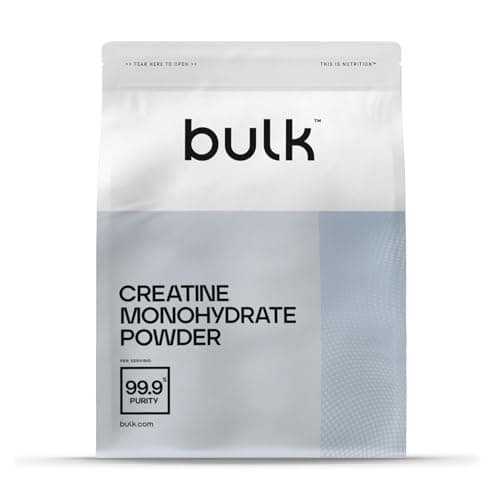
Bulk Creatine Monohydrate
The other big UK value creatine, reviewed against what creatine research actually shows. One ingredient and one of the lowest prices per 100 g we have seen — but the serving on the pack is bigger than the 3 g the evidence and the label claim are based on, so you can make it last longer than it says.
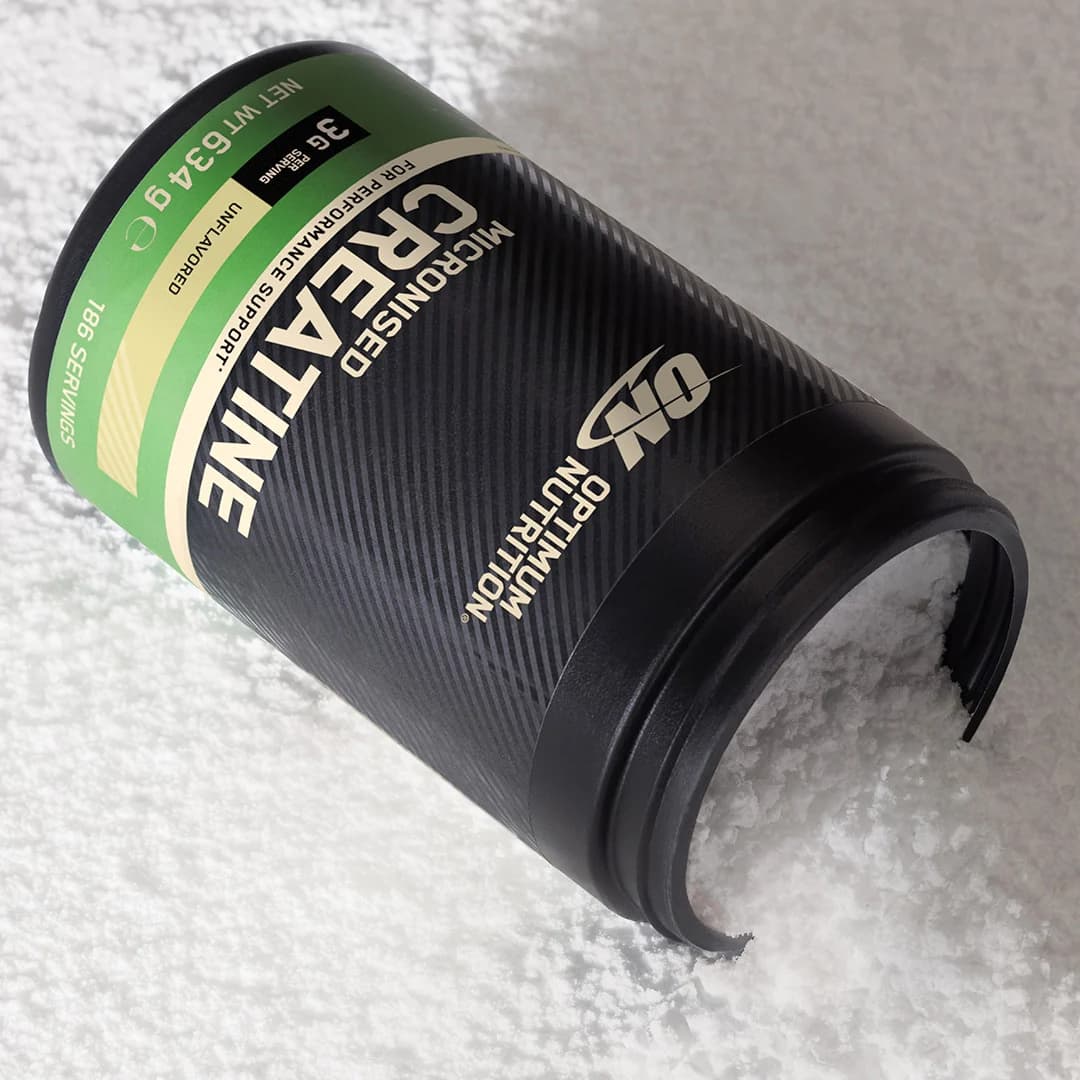
Optimum Nutrition Micronised Creatine Powder
The UK’s best-selling creatine, reviewed against what creatine research actually shows. The ingredient is about as well evidenced as supplements get and the dose is right — but the label contradicts itself on serving size, and a plain creatine can cost half as much.
Affiliate links: we may earn a commission at no extra cost to you. Prices and availability change — check the seller before buying.
Where to buy
Affiliate link: we may earn a commission at no extra cost to you.
Check the current priceYour questions, answered.
Is Myprotein Impact Creatine good?
Yes. It is plain creatine monohydrate at the 3 g daily dose the research supports, with a label whose serving size and servings per pack agree. In the 500 g pack on offer or the 1 kg pack it is one of the cheapest good creatines in the UK. The small high-street tubs are poor value.
How much Myprotein creatine should I take a day?
One serving of about 3.4 g, roughly one scoop, which provides 3 g of creatine. That raises muscle creatine to the same level as a loading phase within about four weeks. Loading with 20 g a day is optional, uses a pack much faster and is more likely to upset your stomach.
Is Myprotein creatine better than Optimum Nutrition creatine?
They are the same compound at the same dose, so they will work the same. On the day we looked, Myprotein was cheaper per 100 g on offer, had a more consistent label and claims Informed Choice testing. Optimum Nutrition was competitive only during its own offers.
Is Myprotein Impact Creatine Informed Sport certified?
Retailer listings state it is certified by Informed Choice, which tests through regular sampling. Informed Sport, which tests every batch, is claimed for Myprotein’s separate THE Creatine Elite. If you are drug-tested, choose a product whose batch you can look up in the certifier’s database.
Which pack size is best value?
The 1 kg pack, at about £2.60 to £3.50 per 100 g, or the 500 g when it is on offer at about £3.20. The 150 g and 170 g tubs sold in supermarkets and pharmacies cost £5.33 to £8.00 per 100 g for the same powder.
Will creatine make me gain weight?
Often around a kilogram in the first weeks, mostly water drawn into muscle rather than fat. Over months of training, creatine can support a larger gain in lean mass because it lets you do slightly more work in each session.
Community experiences
Reader submissions open once a page is published from the editorial database. This overview is maintained in code, so there is nothing to attach a submission to yet. If you have used this product, send it through the contact page and it will be considered when submissions open.
References
- Amazon.co.uk listing for Myprotein Impact Creatine Monohydrate 500 g — the 147 servings and 3 g of creatine per serving quoted here, read via search on 28 September 2026. amazon.co.uk
- Well Pharmacy listing for Myprotein Impact Creatine 150 g — the 3.4 g serving, 250 ml mixing direction and Informed Choice statement quoted here. well.co.uk
- Tesco listing for Myprotein Impact Creatine 150 g — the supermarket price quoted here. tesco.com
- Boots listing for Myprotein Impact Creatine 170 g — the pharmacy price quoted here. boots.com
- Kreider et al. (2017), Journal of the International Society of Sports Nutrition. ISSN position stand: safety and efficacy of creatine supplementation in exercise, sport and medicine. pubmed.ncbi.nlm.nih.gov
- Lanhers et al. (2017), Sports Medicine. Systematic review and meta-analysis of creatine and upper-limb strength: 53 randomised studies. pubmed.ncbi.nlm.nih.gov
- Lanhers et al. (2015), Sports Medicine. Systematic review and meta-analyses of creatine and lower-limb strength performance. pubmed.ncbi.nlm.nih.gov
- Hultman et al. (1996), Journal of Applied Physiology. Muscle creatine loading in men: 3 g a day for 28 days and 20 g a day for six days both raised muscle creatine by about 20 per cent. pubmed.ncbi.nlm.nih.gov
- Antonio et al. (2021), Journal of the International Society of Sports Nutrition. Common questions and misconceptions about creatine supplementation. pubmed.ncbi.nlm.nih.gov
- Great Britain nutrition and health claims register — the authorised creatine claim and its condition of a 3 g daily intake. gov.uk
Page history
- First published for the UK market, as a full review of an alternative named in our Optimum Nutrition creatine review. We could not open Myprotein’s own product page, so the label details and testing claim come from UK retailer listings read via search on this date. This is a desk review: nobody on our team has used this product.
- Scored 8.6 out of 10 against the five published product criteria, the highest of the creatines we have reviewed. The marks lost are for an unnamed creatine source, Informed Choice sampling rather than batch testing, and small high-street packs that cost over twice as much per gram.
- Added our full review of Bulk Creatine Monohydrate to the best alternatives and the comparison block. The score is unchanged.
Compare it with
Side by side on the five scores, the dose against the studied amount, the cost per serving and what each label discloses.
- Myprotein Impact Creatine vs NOW Omega-3 Molecularly Distilled6.4/10
- Myprotein Impact Creatine vs Nature Made Vitamin D3 1000 IU7.4/10
- Myprotein Impact Creatine vs Optimum Nutrition Gold Standard 100% Whey7.0/10
- Myprotein Impact Creatine vs Myprotein Impact Whey Protein7.6/10
- Myprotein Impact Creatine vs Kinetica Whey Protein8.0/10
- Myprotein Impact Creatine vs Yu Sleep1.8/10
- Myprotein Impact Creatine vs Pendulum Akkermansia4.0/10
- Myprotein Impact Creatine vs Optimum Nutrition Micronised Creatine Powder7.4/10
- Myprotein Impact Creatine vs Optimum Nutrition Opti-Men5.0/10
- Myprotein Impact Creatine vs Optimum Nutrition Gold Standard 100% Casein Protein Powder6.6/10
- Myprotein Impact Creatine vs Optimum Nutrition Serious Mass5.8/10
- Myprotein Impact Creatine vs Myprotein Impact Weight Gainer6.8/10
- Myprotein Impact Creatine vs Myprotein Slow-Release Casein7.6/10
- Myprotein Impact Creatine vs Bulk Creatine Monohydrate8.2/10
- Myprotein Impact Creatine vs Mutant Mass6.4/10
- Myprotein Impact Creatine vs Vitabiotics Wellman Original5.4/10
- Myprotein Impact Creatine vs Tesco A–Z Multivitamins & Minerals6.0/10
- Myprotein Impact Creatine vs Myprotein Alpha Men5.2/10
- Myprotein Impact Creatine vs Optimum Nutrition Gold Standard 100% Plant Protein7.6/10
- Myprotein Impact Creatine vs Myprotein Impact Vegan Protein8.2/10
- Myprotein Impact Creatine vs Bulk Vegan Protein Powder7.4/10
Keep asking good questions.
Bulk Creatine Monohydrate
The other big UK value creatine, reviewed against what creatine research actually shows. One ingredient and one of the lowest prices per 100 g we have seen — but the serving on the pack is bigger than the 3 g the evidence and the label claim are based on, so you can make it last longer than it says.
Optimum Nutrition Micronised Creatine Powder
The UK’s best-selling creatine, reviewed against what creatine research actually shows. The ingredient is about as well evidenced as supplements get and the dose is right — but the label contradicts itself on serving size, and a plain creatine can cost half as much.