Kinetica Whey Protein review
The most completely labelled whey we have looked at, and the one that makes the banned-substance claim the big brands only half-make. It publishes every macro and all nineteen amino acids per scoop — and charges about what the value brands do.

Our take: the label other brands should be embarrassed by
This site spends a lot of its time recording what a manufacturer did not publish. So it is worth saying plainly when one publishes everything. Kinetica’s UK product page gives the full macronutrient panel per 100 g and per 30 g scoop in readable text, quantifies the protein blend at 97 per cent, lists every ingredient, and then prints a complete amino acid profile — all nineteen, per 100 g and per scoop.
That is better disclosure than the best-known whey in the country manages. The market leader publishes its detailed figures as an image and advertises “naturally occurring BCAAs and glutamine” without quantifying either. Kinetica gives you 5.54 g of BCAAs per scoop, of which 2.47 g is leucine, and lets you check it.
The second reason to take this one seriously is testing. The brand states that every batch is batch tested and certified under Informed Sport against the WADA list. That is a product-level, batch-level claim, and it is materially stronger than a manufacturer telling you its factory holds a site registration. For anyone subject to drug testing, that distinction is the whole ballgame.
What stops it scoring higher is price, and only at the small end. At 2.27 kg it is £1.19 a serving, which is about £5.17 per 100 g of protein — a few pence above the cheapest mainstream whey. At 4.5 kg it drops to £0.98 a serving, or roughly £4.26 per 100 g, which undercuts them. At 300 g it is £2.10 a serving and poor value by any measure.
This is a desk review of published label information and independent research. Nobody here has tasted this powder, mixed it or measured its contents, and no claim about flavour or texture on this page is a test result.
What exactly are you buying?
The pack this page is built on is 2.27 kg of vanilla, sold as 76 servings, with a 30 g scoop. The brand also sells 300 g at 10 servings, 1 kg at 33, and 4.5 kg at 150, in vanilla, strawberry, chocolate, banana, chocolate mint and unflavoured. Match the pack before comparing prices, because the per-serving figure moves a long way across that range.
Per 30 g scoop the panel gives 118 kcal, 1.8 g of fat of which 1.0 g saturates, 1.6 g of carbohydrate of which 1.1 g sugars, 23.0 g of protein and 0.24 g of salt. That is 77 g of protein per 100 g of powder — 77 per cent protein by weight, which sits between a plain concentrate and an isolate-led blend.
The vanilla ingredient list is a Whey Protein Blend at 97 per cent, made of whey protein concentrate, whey protein isolate and hydrolysed whey protein concentrate, all from milk, with soya lecithin as the emulsifier, then natural flavouring, the stabiliser sodium carboxymethylcellulose and the sweetener sucralose. Concentrate is named first, so it is the largest part of the blend. The brand describes the whey as coming from grass-fed, hormone-free milk; that is a sourcing claim about the input, not a claim about what the protein does in your body.
Directions are one scoop into 170–200 ml of water, to a maximum of three servings a day. The daily ceiling is the manufacturer’s own and is worth following rather than treating as a formality.
The amino acid profile, and one number worth correcting
Publishing a full amino acid profile is unusual, and it lets us do something this site rarely can: check a marketing claim against the label on the same page. Retail listings for this product advertise “4.32 g glutamine”. The brand’s own panel gives that 4.32 g figure for glutamic acid, which is a different amino acid.
The two are related — glutamic acid is glutamine’s precursor, and protein labels routinely report them together because standard analysis converts one to the other — but they are not interchangeable, and a shopper comparing “glutamine” figures across tubs is not comparing what they think they are. We flag it not because it changes whether the product works, but because it is exactly the sort of quiet slippage between panel and packaging that makes label reading worth doing.
The figure that does carry meaning is leucine, at 2.47 g per scoop. Leucine is the amino acid most directly implicated in triggering muscle protein synthesis, and the amounts discussed in that literature sit in roughly the 2 to 3 g range per meal. A single scoop of this clears it without stacking servings — which, given the three-a-day ceiling, is worth knowing.
What the protein evidence actually supports
A well-founded claim about your diet, not about this tub
A 2018 systematic review and meta-analysis in the British Journal of Sports Medicine pooled 49 studies and 1,863 participants and found that protein supplementation significantly increased gains in muscle size and strength during prolonged resistance training.
The same analysis found the benefit plateaued near 1.6 g of protein per kilogram of body weight per day, and that total daily protein mattered more than timing or protein source. Nothing in it identifies a brand. A batch-tested whey and an untested one deliver the same amino acids; what the testing buys you is confidence about what else is in the tub.
Whether you need a supplement at all
The British Nutrition Foundation puts the UK Reference Nutrient Intake at 0.75 g per kilogram a day, around 56 g for men and 45 g for women at reference weights, against average UK intakes of 76.0 g a day for adults aged 19 to 64. It states that most people here do not need extra protein from supplements.
The people this product is built for are the exception: the same source cites American College of Sports Medicine figures of 1.2 to 2.0 g per kilogram a day for those training hard. If you are also drug tested, you are close to the centre of the target for this particular tub.
What a GB label may claim
Under the Great Britain nutrition and health claims register, the authorised protein claims are narrow: protein contributes to the growth and maintenance of muscle mass, and to the maintenance of normal bones. Anything beyond that is marketing rather than an approved claim, and the ASA’s guidance on sports supplements governs how it may be advertised.
Informed Sport: what batch testing actually protects you from
Anti-doping operates on strict liability. If a banned substance is in your sample, it is your problem, regardless of how it got there or whether the contamination was anyone’s fault. That is why supplement certification is a genuine issue for a competing athlete and a mostly theoretical one for everybody else.
The brand states that every batch of this product is batch tested and certified under Informed Sport against the WADA list. Three words in that sentence carry the weight: every batch. A site registration tells you a factory was inspected. A product certification tells you the recipe was assessed. Batch testing tells you that the specific run your tub came from was screened — which is the only one of the three that describes the powder in your kitchen.
The comparison that makes this concrete is Optimum Nutrition Gold Standard. That company states its Middlesbrough site is Informed-Sport registered, and separately names which of its products are Informed Sport registered — the standard retail Gold Standard tub is not among them. Myprotein Impact Whey carries an Informed Protein certification, which verifies protein content and purity rather than banned substances. Three products, three different claims, and only one of them is about the batch in front of you.
One caveat we will not skip. We could not open the Informed Sport product directory for this review — it returned a bot-verification page — so the batch-testing statement above is the brand’s, accurately reported, and not something we confirmed with the certifier. If you compete, look your own tub’s batch code up. That takes a minute and is the entire point of the programme.
Price: where this lands against the cheap stuff
From the brand’s own store on 22 September 2026: 300 g at £20.99 (£2.10 a serving), 1 kg at £52.99 (£1.61), 2.27 kg at £89.99 (£1.19) and 4.5 kg at £145.99 (£0.98). Free UK shipping over £50. Those per-serving figures are the brand’s own, and it rounds a couple of them up — £89.99 over 76 servings is £1.18, which is what the product card on this page shows.
Convert to the figure that actually compares products — cost per 100 g of protein, at 23 g a scoop — and the 2.27 kg pack is about £5.17, the 4.5 kg about £4.26, and the 300 g pack a wince-inducing £9.13. For reference, Myprotein Impact Whey worked out at roughly £5.00 on the same day.
So the honest summary is that batch testing here costs you almost nothing at 2.27 kg and saves you money at 4.5 kg. That is not what most people assume about certified products, and it is the most useful thing on this page. The small packs are for trying a flavour, not for buying protein.
The usual caution applies to large packs: cheapest per gram is only cheapest if you finish it. A 4.5 kg sack is 150 servings of one flavour.
Side effects, allergens and who should skip it
Contains milk and soya, both declared in bold. Not for anyone with a cow’s milk protein allergy. The blend is led by whey protein concentrate rather than isolate, so it carries more lactose than an isolate-first product — if whey has upset you before, start with the 300 g pack despite the poor value, rather than committing to 76 servings.
Observe the manufacturer’s three-servings-a-day ceiling. For a healthy adult, whey is a food and the risk profile is close to drinking milk, but anyone with reduced kidney function, anyone on a protein-restricted diet for a medical reason, and anyone pregnant or breastfeeding should take the label to a GP, pharmacist or dietitian. Children do not need protein supplements.
Food supplements and sports nutrition products sold in Great Britain are not assessed and approved by a regulator for safety or effectiveness before sale. Responsibility for the label sits with the business selling it — which is why a batch-level certificate from an independent laboratory is worth more than any sentence on the packaging.
Sources and shopping: what to check before you order
Confirm the pack size and flavour, read the panel for that variant, work out the cost per 100 g of protein, and check whether your order clears the free-shipping threshold. If you are drug tested, find the batch code on the tub when it arrives and look it up in the certifier’s database before you open it.
The flavoured versions differ slightly from the vanilla panel quoted here — the chocolate and strawberry listings add a colour, beetroot red — so do not assume the ingredient list transfers between them. It is a small thing, but the reason this product scores well on transparency is that the brand makes those small things checkable.
We have not published a commercial link for this product. The score above reflects the label, the price and the evidence, and the label is the reason it scores as well as it does.
Ingredient analysis
Quantified at 97 per cent of the formula, all milk-derived, with concentrate named first. The evidence rating is for protein supplementation alongside resistance training generally, not for this brand. The powder is 77 per cent protein by weight.
Full evidence on Whey protein blendNaturally occurring BCAAs (leucine, isoleucine, valine)
weak evidenceQuantified on the brand’s own panel, which most whey labels do not do. These are intrinsic to whey rather than added, and research on isolated BCAA supplements is a separate and much weaker literature. The leucine figure is the one worth noting: it clears the per-meal amount usually discussed in the muscle-protein-synthesis research.
Glutamic acid
none evidenceRetail listings advertise this figure as “glutamine”. The brand’s own panel labels it glutamic acid, which is the precursor rather than the same amino acid. Either way it is intrinsic to dairy protein, not an added ingredient, and it is not a reason to choose one whey over another.
Soya lecithin (emulsifier)
none evidenceA processing aid for mixability. It is a declared allergen alongside milk.
Sodium carboxymethylcellulose (stabiliser) and sucralose (sweetener)
none evidenceTexture and taste ingredients. The panel does disclose the consequence: 0.24 g of salt and 1.1 g of sugars per serving. Flavoured versions add natural flavouring and, in some, a colour such as beetroot red.
Who it’s for. What to consider.
Who it may suit
A drug-tested athlete who needs batch-level certification rather than a factory registration, and anyone who wants to be able to read every macro and amino acid before buying. In the 2.27 kg and 4.5 kg packs it costs roughly what untested value whey costs, which makes the decision easy.
Who should avoid it
Anyone with a cow’s milk protein allergy. Anyone who has reacted to whey concentrate before, since this blend is concentrate-led. Anyone buying the 300 g pack as a protein source rather than a flavour trial — at £2.10 a serving it is poor value.
What stands out
A full macro panel per 100 g and per 30 g scoop in readable text, plus a complete nineteen-item amino acid profile — the best label disclosure on this site
The brand states every batch is batch tested and certified under Informed Sport against the WADA list, a stronger claim than a site registration
23 g of protein and 2.47 g of leucine per scoop, at 77 per cent protein by weight
About £4.26 per 100 g of protein in the 4.5 kg pack, which undercuts the mainstream value brands
The protein blend is quantified at 97 per cent, with no proprietary blend
Worth considering
Retail listings advertise “4.32 g glutamine” where the brand’s own panel gives that figure for glutamic acid — a different amino acid
The 300 g pack is £2.10 a serving, roughly £9.13 per 100 g of protein
We could not open the Informed Sport directory to confirm a current listing, so the testing claim is the brand’s, reported rather than verified
Concentrate-led blend, so more lactose than an isolate-first product
Flavoured versions add ingredients the vanilla panel does not carry, so the list does not transfer between flavours
Score breakdown
Five criteria, each out of 10, averaged to the overall score. See how we score products.
How does it compare?
A closer look at the alternatives. Compare the ingredients and serving sizes, then explore the full review.
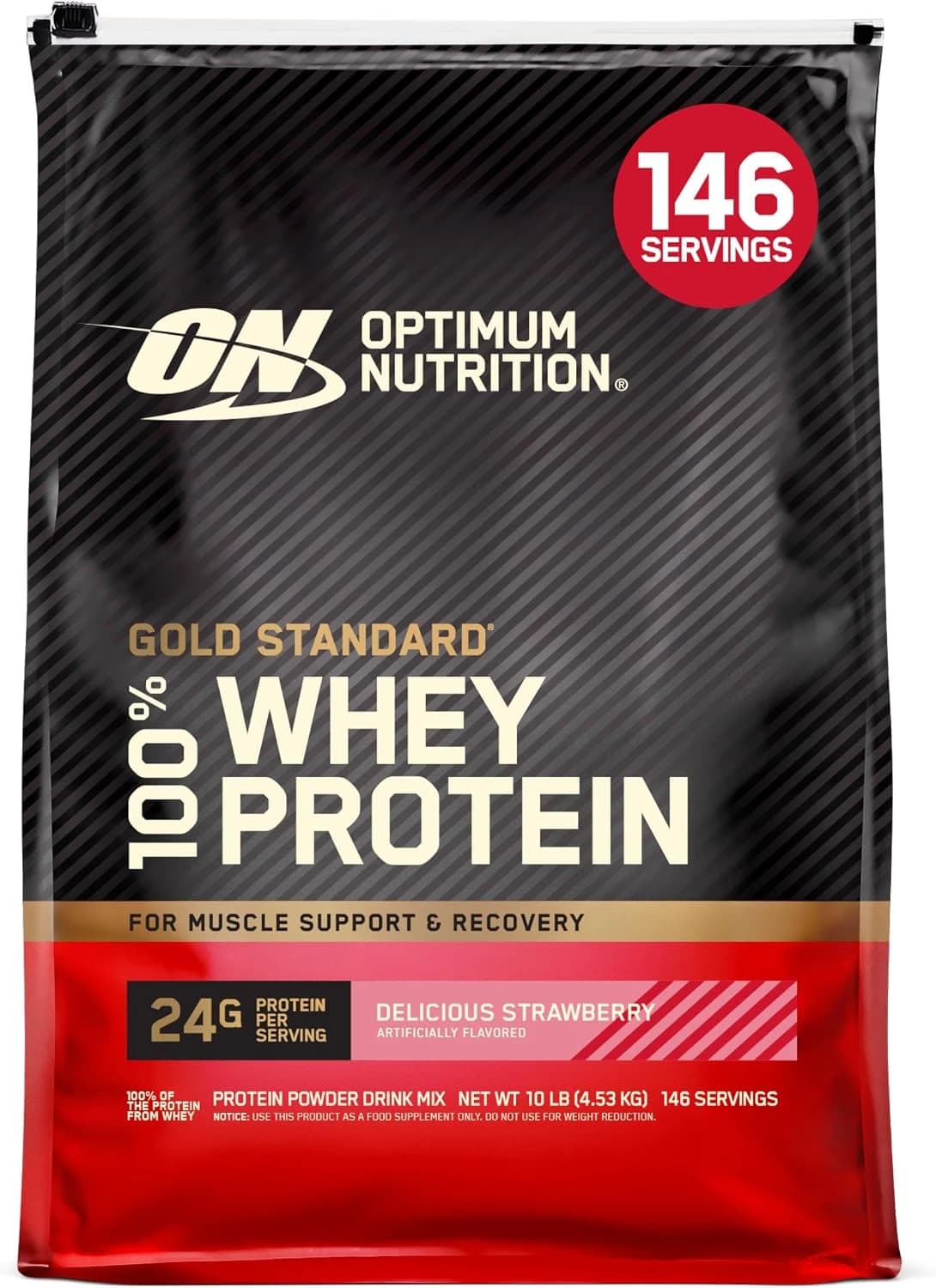
Optimum Nutrition Gold Standard 100% Whey
The best-selling whey protein in the UK, reviewed against what protein research actually shows. A fully disclosed 24 g serving and three years of daily use behind it — but the price, the testing claim and the question of whether you need it at all are worth settling first.
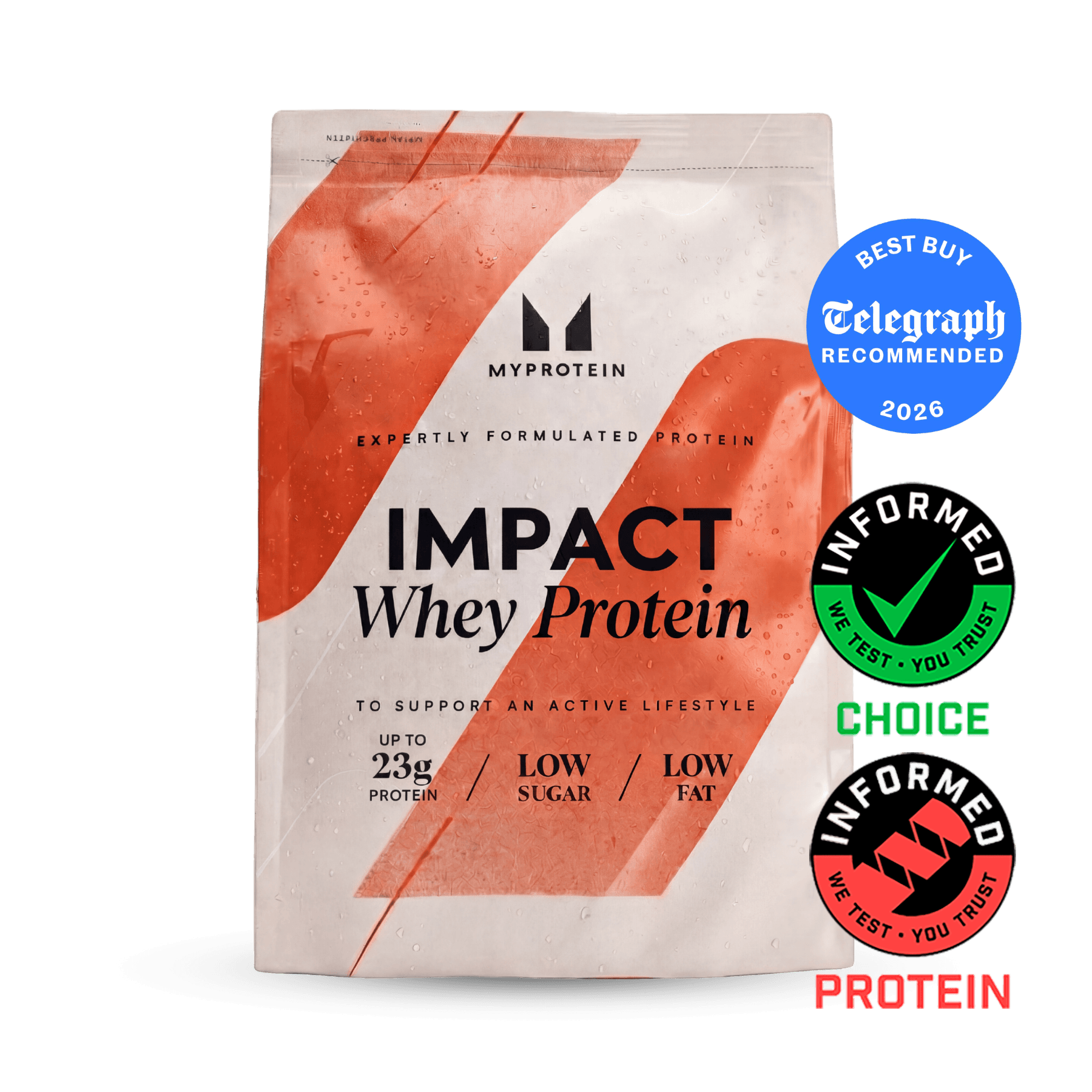
Myprotein Impact Whey Protein
The UK price benchmark for whey, and the number every other tub should be measured against. A three-item label, £1.10 a serving on the brand’s own page, and a protein-content certification most rivals do not carry — set against a headline figure that flatters the range.
Affiliate links: we may earn a commission at no extra cost to you. Prices and availability change — check the seller before buying.
Where to buy
Sources and shopping optionsYour questions, answered.
Is Kinetica Whey Protein actually Informed Sport certified?
The brand states that every batch is batch tested and certified under Informed Sport against the WADA list. We could not open the certifier’s product directory during this review — it returned a bot-verification page — so we are reporting the brand’s claim accurately rather than confirming it. If you compete, look your own tub’s batch code up in that database, which is what the programme exists for.
How is this different from Optimum Nutrition’s testing claim?
Optimum Nutrition states that its Middlesbrough manufacturing site is Informed-Sport registered, and names which of its products are Informed Sport registered — the standard retail Gold Standard tub is not among them. A site registration describes the factory. A batch test describes the run your tub came from. For strict-liability purposes only the second one is about your powder.
Does it contain 4.32 g of glutamine?
Not as labelled. Retail listings advertise 4.32 g of glutamine; the brand’s own amino acid profile gives 4.32 g of glutamic acid, which is glutamine’s precursor rather than the same thing. Protein analysis routinely reports the two together, so this is a common slip rather than a scandal — but if you are comparing glutamine figures across tubs, you are not comparing like with like.
Which pack size should I buy?
At 23 g of protein a scoop, the 4.5 kg pack works out at about £4.26 per 100 g of protein, the 2.27 kg at £5.17, the 1 kg at £7.00 and the 300 g at £9.13. Buy the largest size you will genuinely finish; 150 servings of one flavour is a long commitment, and whey does not improve with age once opened.
Is it worth paying more than a budget whey for batch testing?
In the large packs you are barely paying more. On 22 September 2026 the 2.27 kg pack was about £5.17 per 100 g of protein against roughly £5.00 for Myprotein Impact Whey, and the 4.5 kg pack was cheaper than both. That is the useful finding here: certification is not the premium most people assume, provided you buy at size.
What does 77 per cent protein by weight mean in practice?
It means 100 g of powder contains 77 g of protein, and the remaining 23 g is fat, carbohydrate, flavouring and the rest. It sits between a plain concentrate, nearer 70 per cent, and an isolate-led blend nearer 80. Use it when a price is quoted per kilogram of powder, because a kilogram of powder is not a kilogram of protein.
Community experiences
Reader submissions open once a page is published from the editorial database. This overview is maintained in code, so there is nothing to attach a submission to yet. If you have used this product, send it through the contact page and it will be considered when submissions open.
References
- Kinetica Sports UK product page for Whey Protein Vanilla 2.27 kg — the source of the nutrition panel, amino acid profile, ingredient list, directions, pack prices and testing statement quoted here, read on 22 September 2026.
- Morton et al. (2018), British Journal of Sports Medicine. Meta-analysis of protein supplementation and resistance-training gains: 49 studies, 1,863 participants, benefit plateauing near 1.6 g/kg/day.
- British Nutrition Foundation. UK Reference Nutrient Intake for protein, average UK intakes, and the statement that most UK adults do not need extra protein from supplements.
- Great Britain nutrition and health claims register — the authorised wording a protein claim on a GB label must follow.
- ASA/CAP advice on advertising food, sports supplements and associated products in the UK.
Page history
- First published. The full nutrition panel, amino acid profile, ingredient list, directions and all four pack prices were read from the brand’s own UK store on this date. Scored 8.0 out of 10, with the highest label-transparency mark on the site: the brand publishes in text what its larger competitors publish as an image or not at all. The Informed Sport directory could not be opened to confirm a current batch listing, and the page says so rather than implying verification.
- Slug changed from kinetica-whey-protein to kinetica-whey-protein-review, matching the <product>-review convention. Nothing linked to the old address outside this repository, so no redirect was needed. Outbound links on this page are now nofollow, including the citations — they are here so a figure can be checked, not to pass ranking signal to the brands and organisations the page writes about.
Keep asking good questions.
Optimum Nutrition Gold Standard 100% Whey
The best-selling whey protein in the UK, reviewed against what protein research actually shows. A fully disclosed 24 g serving and three years of daily use behind it — but the price, the testing claim and the question of whether you need it at all are worth settling first.
Myprotein Impact Whey Protein
The UK price benchmark for whey, and the number every other tub should be measured against. A three-item label, £1.10 a serving on the brand’s own page, and a protein-content certification most rivals do not carry — set against a headline figure that flatters the range.