Myprotein Impact Vegan Protein review
The UK’s value-brand vegan protein, reviewed against what the plant-protein research actually shows. About 24 g of pea and fava bean protein per 30 g scoop, little salt and a short ingredient list — at roughly half the price per gram of Optimum Nutrition’s plant protein. The one caution is fava bean, for anyone with G6PD deficiency.

Our take: the value vegan protein to beat
Myprotein’s Impact Vegan Protein does what our Gold Standard Plant review wished that product did: it delivers the same amount of plant protein per scoop at roughly half the price per gram. A 30 g scoop gives about 24 g of protein from pea and fava bean, around 117 kcal and only about 0.2 g of salt, with a short ingredient list.
The research on plant protein is encouraging: for most people who reach their daily protein target, a pea-based powder supports muscle gains as well as whey. That leaves price, testing and tolerance as the differences between vegan powders — and on price, this is hard to beat.
The trade-offs are small. The listings we read make no banned-substance testing claim, so drug-tested athletes should look elsewhere. And fava bean is a caution for people with G6PD deficiency.
This is a desk review. We have read the published label details, UK listings and the research on plant protein and resistance training. We have not used this product, tested its contents or run a trial. We could not open Myprotein’s own product page while writing, so the next section says where each figure came from.
What exactly are you buying?
Impact Vegan Protein is sold in 1 kg and 2.5 kg pouches in several flavours. A serving is 30 g, so a 1 kg pouch holds about 33. Per serving, listings give about:
- 24 g of protein
- About 117 kcal
- About 0.2 g of salt
The chocolate version’s ingredient list is: protein blend (87 per cent: pea protein isolate and fava bean isolate), fat-reduced cocoa powder, natural flavourings, a vegetable creamer made from high-oleic sunflower oil, a thickener (xanthan gum) and the sweetener sucralose. Other flavours differ slightly, and Myprotein notes that nutrition figures vary by flavour.
Two points stand out against Optimum Nutrition’s plant protein. The salt is about a quarter as much per scoop — roughly 0.2 g against 0.8 g. And the protein comes from pea and fava bean rather than pea and rice. Both pairings aim to fill gaps in each other’s amino acid profile; the research on pea protein applies to either.
Does plant protein build muscle as well as whey?
For most people, yes, provided total protein is enough. In a 2015 randomised trial by Babault and colleagues, 161 young men doing 12 weeks of resistance training took pea protein, whey or a placebo. Muscle thickness increased similarly with pea and whey, and the pea group gained significantly more than placebo.
Across the whole diet, a 2021 study by Hevia-Larraín and colleagues found habitual vegans and omnivores on protein-matched diets of about 1.6 g per kilogram a day gained similar muscle and strength over 12 weeks. A 2018 meta-analysis by Messina and colleagues found the same for soy against animal protein.
The rule is the same as for any protein powder: reach your daily total first. A 2018 meta-analysis by Morton and colleagues found gains in fat-free mass levelled off at around 1.6 g of protein per kilogram of body weight a day. Our protein calculator works out your figure.
Fava bean and G6PD deficiency
Fava beans (broad beans) can trigger a serious breakdown of red blood cells — favism — in people with G6PD deficiency, an inherited condition more common in people of Mediterranean, African, Middle Eastern and South Asian heritage. The NHS advises people with G6PD deficiency to avoid broad beans.
Whether a purified fava bean protein isolate carries the same risk is not well established, because processing may remove much of the compounds responsible. We would not rely on that. If you have G6PD deficiency, or are unsure whether you do and have a family history, choose a pea and rice protein instead, or ask your GP.
Testing
The listings we read made no banned-substance testing claim, such as Informed Sport, for this product. For an ordinary gym-goer that is a low risk from a large, established brand. For an athlete under anti-doping rules, strict liability applies: choose a product whose batch you can look up. Gold Standard 100% Plant is on Optimum Nutrition’s own list of Informed Sport registered products.
Price: work it out per 100 g of protein
At about 24 g of protein per 30 g scoop, a 1 kg pouch holds roughly 790 g of protein and a 2.5 kg pouch about 2 kg. In listings read on 28 September 2026:
- 1 kg: £19.99 on offer on Myprotein’s UK store, down from £24.99 — about £2.52 to £3.16 per 100 g of protein, or 60p to 76p a scoop.
- 2.5 kg: £42.99 at the lowest listing on a price comparison site — about £2.16 per 100 g of protein.
Against Optimum Nutrition Gold Standard 100% Plant at about £4.36 to £5.56 per 100 g of protein, that is roughly half the price for the same protein per scoop. Myprotein runs frequent site-wide offers, and it is rarely worth paying full price. We read these prices from listings rather than taking an order through checkout.
Best alternatives
The ones we have fully reviewed are linked, and appear in the comparison cards below this article. The others we name for comparison only: we have not reviewed them in full, so do not read their inclusion as a recommendation.
- Optimum Nutrition Gold Standard 100% Plant (reviewed) — pea and rice rather than pea and fava, and Informed Sport registered, but about twice the price per gram and with about four times the salt. The better choice for drug-tested athletes and people with G6PD deficiency.
- Bulk Vegan Protein Powder (reviewed) — the other value-brand vegan powder, listed at 23 g of protein per serving and 28 servings per 1 kg.
- Soya milk, tofu, tempeh and lentils — the food route. A 500 ml glass of soya milk gives roughly 15 to 18 g of protein, and most vegans can reach their target from planned meals.
- Myprotein Impact Whey (reviewed) — if you eat dairy, the whey equivalent from the same brand.
Who should skip it, and what to watch for
Skip it if you have G6PD deficiency, or a pea or legume allergy. Some people find pea protein causes wind or bloating at first; starting with half a scoop helps. Check the may-contain statement on your pack if you have other allergies.
Anyone with kidney disease should ask their GP or dietitian before increasing protein. Food supplements sold in Great Britain are not approved by a regulator for safety or effectiveness before sale, so the label is the manufacturer’s responsibility rather than a regulator’s endorsement.
Sources and shopping: our UK buying checklist
Before you order, check the flavour, the pack size and the delivered price. Work out the cost per 100 g of protein — price ÷ (servings × protein per serving) × 100 — and compare it on the day with other vegan powders. The 2.5 kg pouch is the cheapest per gram if you will finish it before its best-before date.
When the pouch arrives, check the seal, the batch code and the best-before date, and read the nutrition panel and allergen statement for your flavour.
Our commercial link for this product is our Myprotein Impact Vegan Protein link. It earns us a commission at no extra cost to you, and it has no influence on the score above — which is an 8.2, the highest of the protein powders we have reviewed, held back only by no testing claim and the fava bean caution.
The fair summary is this. Myprotein Impact Vegan Protein gives you the same plant protein per scoop as the premium brands for about half the price. For most vegans and dairy-free lifters, it is the one to beat.
Ingredient analysis
Pea protein isolate and fava bean isolate
strong evidenceTrials show pea protein and protein-matched vegan diets support resistance-training gains similar to whey and omnivorous diets. Fava bean is a caution for people with G6PD deficiency.
Cocoa, flavourings, sunflower-oil creamer, xanthan gum and sucralose
none evidenceFlavour, texture and sweetness. Approved for use in the UK and used in small amounts.
Who it’s for. What to consider.
Who it may suit
A vegan or dairy-free adult who trains, is not reaching their daily protein target from food, and wants the most plant protein for the money — ideally bought on offer or in the 2.5 kg pouch.
Who should avoid it
Anyone with G6PD deficiency, given the fava bean. Anyone with a pea or legume allergy. People who already reach their protein target from food. Competing athletes who need a batch-certified product. Anyone with kidney disease, unless their doctor or dietitian agrees.
What stands out
About 24 g of pea and fava bean protein per 30 g scoop
About £2.16 to £3.16 per 100 g of protein, roughly half the price of Optimum Nutrition’s plant protein
About 0.2 g of salt per scoop, a quarter of Gold Standard Plant’s
Short ingredient list with the protein share stated
Worth considering
No banned-substance testing claim on the listings we read
Contains fava bean, a caution for people with G6PD deficiency
Nutrition figures vary by flavour
Pea protein can cause wind or bloating in some people
Score breakdown
Five criteria, each out of 10, averaged to the overall score. See how we score products.
How does it compare?
A closer look at the alternatives. Compare the ingredients and serving sizes, then explore the full review.
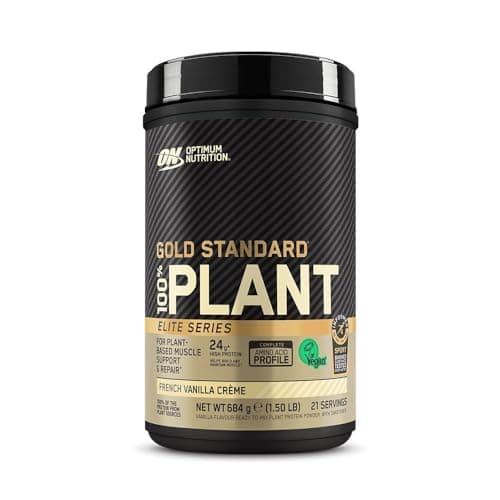
Optimum Nutrition Gold Standard 100% Plant Protein
Optimum Nutrition’s vegan protein, reviewed against what the plant-protein research actually shows. A 32 g scoop gives 24 g of pea and rice protein with a short ingredient list, and it is one of the few Optimum Nutrition products the brand names as Informed Sport registered. The catch is the small tub and a price per gram of protein that only looks fair on offer.
Bulk Vegan Protein Powder
The other big UK value vegan protein, reviewed against what the plant-protein research actually shows. A five-source plant blend sweetened with stevia, cheap in the big bags — but it is less protein-dense than its rivals, and the protein per serving is described three different ways depending on where you look.
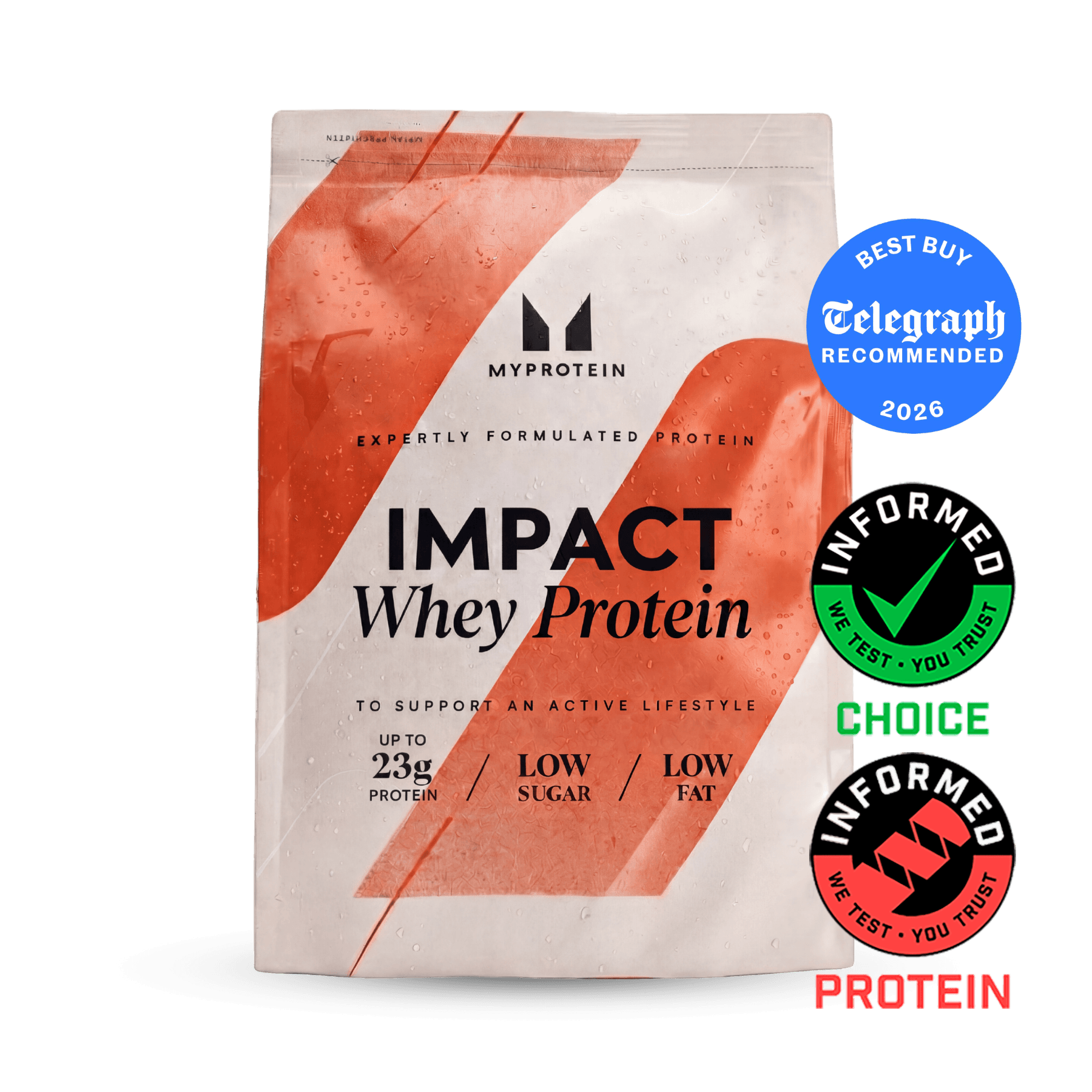
Myprotein Impact Whey Protein
The UK price benchmark for whey, and the number every other tub should be measured against. A three-item label, £1.10 a serving on the brand’s own page, and a protein-content certification most rivals do not carry — set against a headline figure that flatters the range.
Affiliate links: we may earn a commission at no extra cost to you. Prices and availability change — check the seller before buying.
Where to buy
Affiliate link: we may earn a commission at no extra cost to you.
Check the current priceYour questions, answered.
Is Myprotein Impact Vegan Protein good?
Yes. It gives about 24 g of pea and fava bean protein per 30 g scoop, with little salt and a short ingredient list, at about £2.16 to £3.16 per 100 g of protein. That is roughly half the price of Optimum Nutrition’s plant protein for the same protein per scoop.
Is it as good as whey?
For most people, yes, when total daily protein is enough. A 12-week trial found pea protein and whey produced similar gains in muscle thickness, and vegans and omnivores on protein-matched diets gained muscle and strength similarly.
Is it better than Gold Standard 100% Plant?
It is about half the price per gram, with less salt. Gold Standard Plant is on Optimum Nutrition’s Informed Sport registered list and uses rice rather than fava bean, which suits drug-tested athletes and people with G6PD deficiency.
Can I take it if I have G6PD deficiency?
We would not. It contains fava bean isolate, and fava beans can trigger red blood cell breakdown in people with G6PD deficiency. Whether a purified isolate carries the same risk is not well established. Choose a pea and rice protein, or ask your GP.
How much protein is in a scoop?
About 24 g per 30 g scoop, with about 117 kcal and 0.2 g of salt, depending on flavour. A 1 kg pouch holds about 33 scoops.
Community experiences
Reader submissions open once a page is published from the editorial database. This overview is maintained in code, so there is nothing to attach a submission to yet. If you have used this product, send it through the contact page and it will be considered when submissions open.
References
- Amazon.co.uk listing for Myprotein Impact Vegan Protein, vanilla, 1 kg — the 24 g protein and 33 servings quoted here, read via search on 28 September 2026. amazon.co.uk
- Myprotein UK product page for Impact Vegan Protein — the ingredient list, nutrition figures and 1 kg price quoted here, read via search on 28 September 2026. myprotein.com
- PriceSpy UK comparison for Myprotein vegan protein blend 2.5 kg — the 2.5 kg price quoted here. pricespy.co.uk
- Babault et al. (2015), Journal of the International Society of Sports Nutrition. Pea proteins oral supplementation promotes muscle thickness gains during resistance training: a randomised, placebo-controlled trial against whey protein. pubmed.ncbi.nlm.nih.gov
- Hevia-Larraín et al. (2021), Sports Medicine. High-protein plant-based diet versus a protein-matched omnivorous diet to support resistance training adaptations. pubmed.ncbi.nlm.nih.gov
- Messina et al. (2018), International Journal of Sport Nutrition and Exercise Metabolism. No difference between supplementing with soy protein versus animal protein on gains in muscle mass and strength with resistance exercise. doi.org
- Morton et al. (2018), British Journal of Sports Medicine. Systematic review and meta-analysis of protein supplementation and resistance-training-induced gains in muscle mass and strength. pubmed.ncbi.nlm.nih.gov
Page history
- First published for the UK market, as a full review of an alternative named in our Gold Standard Plant review. We could not open Myprotein’s own product page, so the label details come from UK listings read via search on this date. This is a desk review: nobody on our team has used this product.
- Scored 8.2 out of 10 against the five published product criteria, the highest of the protein powders we have reviewed. The marks lost are for no banned-substance testing claim and a fava bean caution for people with G6PD deficiency.
- Added our full review of Bulk Vegan Protein Powder to the best alternatives and the comparison block. The score is unchanged.
Compare it with
Side by side on the five scores, the dose against the studied amount, the cost per serving and what each label discloses.
- Myprotein Impact Vegan Protein vs NOW Omega-3 Molecularly Distilled6.4/10
- Myprotein Impact Vegan Protein vs Nature Made Vitamin D3 1000 IU7.4/10
- Myprotein Impact Vegan Protein vs Optimum Nutrition Gold Standard 100% Whey7.0/10
- Myprotein Impact Vegan Protein vs Myprotein Impact Whey Protein7.6/10
- Myprotein Impact Vegan Protein vs Kinetica Whey Protein8.0/10
- Myprotein Impact Vegan Protein vs Yu Sleep1.8/10
- Myprotein Impact Vegan Protein vs Pendulum Akkermansia4.0/10
- Myprotein Impact Vegan Protein vs Optimum Nutrition Micronised Creatine Powder7.4/10
- Myprotein Impact Vegan Protein vs Optimum Nutrition Opti-Men5.0/10
- Myprotein Impact Vegan Protein vs Optimum Nutrition Gold Standard 100% Casein Protein Powder6.6/10
- Myprotein Impact Vegan Protein vs Optimum Nutrition Serious Mass5.8/10
- Myprotein Impact Vegan Protein vs Myprotein Impact Creatine8.6/10
- Myprotein Impact Vegan Protein vs Myprotein Impact Weight Gainer6.8/10
- Myprotein Impact Vegan Protein vs Myprotein Slow-Release Casein7.6/10
- Myprotein Impact Vegan Protein vs Bulk Creatine Monohydrate8.2/10
- Myprotein Impact Vegan Protein vs Mutant Mass6.4/10
- Myprotein Impact Vegan Protein vs Vitabiotics Wellman Original5.4/10
- Myprotein Impact Vegan Protein vs Tesco A–Z Multivitamins & Minerals6.0/10
- Myprotein Impact Vegan Protein vs Myprotein Alpha Men5.2/10
- Myprotein Impact Vegan Protein vs Optimum Nutrition Gold Standard 100% Plant Protein7.6/10
- Myprotein Impact Vegan Protein vs Bulk Vegan Protein Powder7.4/10
Keep asking good questions.
Optimum Nutrition Gold Standard 100% Plant Protein
Optimum Nutrition’s vegan protein, reviewed against what the plant-protein research actually shows. A 32 g scoop gives 24 g of pea and rice protein with a short ingredient list, and it is one of the few Optimum Nutrition products the brand names as Informed Sport registered. The catch is the small tub and a price per gram of protein that only looks fair on offer.
Bulk Vegan Protein Powder
The other big UK value vegan protein, reviewed against what the plant-protein research actually shows. A five-source plant blend sweetened with stevia, cheap in the big bags — but it is less protein-dense than its rivals, and the protein per serving is described three different ways depending on where you look.
Myprotein Impact Whey Protein
The UK price benchmark for whey, and the number every other tub should be measured against. A three-item label, £1.10 a serving on the brand’s own page, and a protein-content certification most rivals do not carry — set against a headline figure that flatters the range.