PrimeBiome review
PrimeBiome reviews USA: a once-a-day probiotic gummy for skin and gut, with 500 million CFU of Bacillus coagulans and a 430 mg blend of inulin, babchi, fennel, ginger, lion’s mane and more. Low in sugar and easy to take — but the probiotic dose is below the trials, and babchi carries a liver warning.

Our take: an easy probiotic gummy with a story bigger than its dose
If you are reading PrimeBiome reviews, you may be noticing changes you do not love. Skin that looks duller or older than you feel. Bloating after meals. A waistline that creeps up no matter what you do. When several things seem to be going wrong at once, the idea of one root cause — and one simple fix — is very appealing.
PrimeBiome is a once-a-day probiotic gummy sold in the USA. It promises “dermal balance, digestive support and healthy weight” by supporting the gut and skin microbiome and the skin’s natural cell turnover. Each gummy contains 500 million CFU of the probiotic Bacillus coagulans, plus a 430 mg blend of chicory inulin, babchi, fennel, fenugreek, ginger, lemon balm, lion’s mane, slippery elm and dandelion.
Here is our honest verdict. PrimeBiome gets some things right: it is a pleasant gummy with only 1 gram of sugar, it uses a hardy probiotic strain that survives stomach acid, and — unlike many gummies — it tells you the probiotic count. But the probiotic dose is about a quarter of what trials used, nothing in it has been tested for skin ageing or weight, and its second-largest herb, babchi, has been linked to liver injury.
PrimeBiome scores 3.0 out of 10 on our five published criteria. This is a desk review: nobody on our team has taken it. We read the full label, the sales page and the refund policy, and checked each ingredient against published research.
What exactly are you buying?
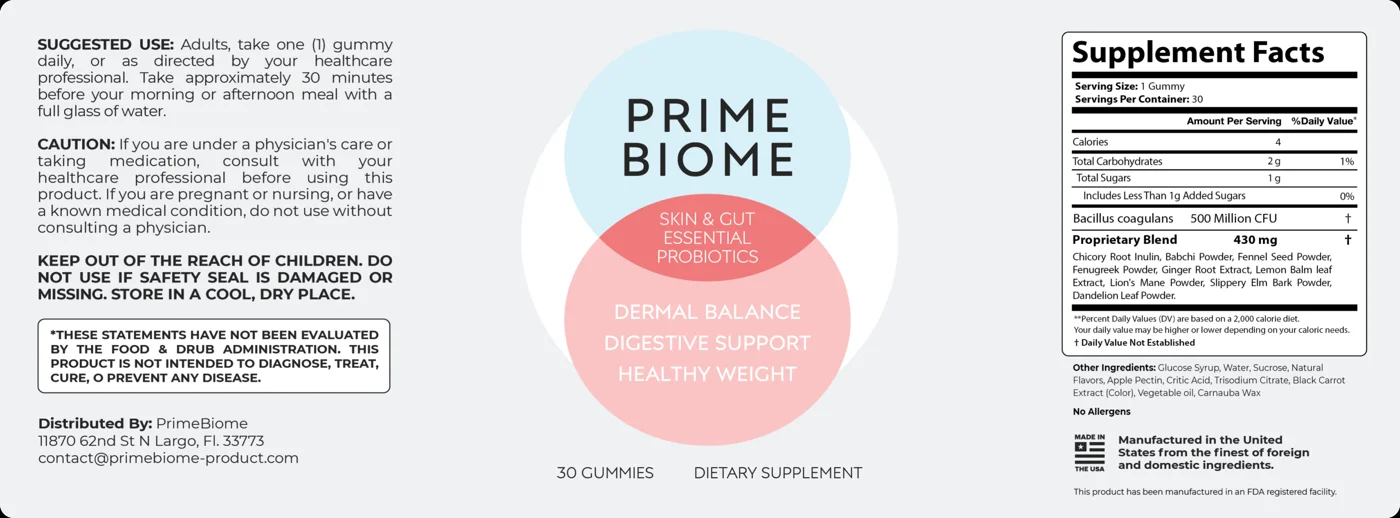
A bottle holds 30 gummies; you take one a day, about 30 minutes before your morning or afternoon meal with a full glass of water. Per gummy, the Supplement Facts panel lists:
- Calories: 4; carbohydrates: 2 g; sugars: 1 g (less than 1 g added)
- Bacillus coagulans: 500 million CFU
- Proprietary blend, 430 mg: chicory root inulin, babchi powder, fennel seed powder, fenugreek powder, ginger root extract, lemon balm leaf extract, lion’s mane powder, slippery elm bark powder and dandelion leaf powder
US labels list blend ingredients from most to least by weight, so inulin is the largest part of the blend and babchi the second largest. No individual amounts are given.
Other ingredients are glucose syrup, water, sucrose, natural flavors, apple pectin, citric acid, trisodium citrate, black carrot extract (color), vegetable oil and carnauba wax. It is labeled allergen-free, made in the USA in an FDA-registered facility, and distributed from Largo, Florida.
The advantages: where PrimeBiome stands out
- It tells you the probiotic count. 500 million CFU of Bacillus coagulans is printed on the label. Many probiotic gummies hide their count in a blend.
- A hardy probiotic. B. coagulans forms spores that survive stomach acid and heat — which is why it is one of the few probiotics that can work in a gummy at all.
- Low sugar. Just 1 gram of sugar and 4 calories a gummy, far less than most supplement gummies.
- Prebiotic fiber included. Inulin, the largest blend ingredient, feeds beneficial gut bacteria.
- Gentle digestive herbs. Ginger, fennel and slippery elm are traditional, well-tolerated stomach soothers.
- No stimulants, allergen-free, made in the USA.
- No subscription. A one-time payment through BuyGoods, with no auto-ship.
What the evidence shows
Bacillus coagulans (500 million CFU). The strongest ingredient. In a randomized trial, 2 billion spores a day of one strain reduced gas and bloating over four weeks, and reviews find some benefit for IBS symptoms. PrimeBiome provides a quarter of that dose, and does not name the strain — and probiotic effects are strain-specific.
Chicory inulin. A prebiotic fiber that can ease constipation, but trials used grams a day. The entire PrimeBiome blend is 430 mg, so you get well under half a gram.
Ginger, fennel, slippery elm, lemon balm, fenugreek, dandelion. Traditional digestive herbs. Ginger has decent evidence for nausea at 1 gram or more; the others have little human evidence for gut health, and none for skin or weight at these amounts.
Lion’s mane. A mushroom studied mainly for memory and nerve health, not skin or digestion.
Babchi (Psoralea corylifolia). The link to “skin” in the formula. Babchi is the source of bakuchiol, a popular skin-care ingredient — but that is applied to the skin, not swallowed. We found no trial of oral babchi for skin ageing.
Skin and weight. A few trials of specific probiotic strains show small improvements in skin hydration, but none tested PrimeBiome or B. coagulans at this dose for skin ageing or weight loss.
The bottom line: PrimeBiome may give mild digestive support for some people, but the doses are low and the skin and weight claims are untested.
The babchi question
Babchi deserves its own section because it is a real safety concern, not a marketing quibble. Babchi seeds (known in Chinese medicine as Bu Gu Zhi or Fructus Psoraleae) contain psoralens — compounds that make skin more sensitive to sunlight — and oral babchi preparations have been linked to drug-induced liver injury. In a Beijing hospital cohort, 40 of 547 patients with drug-induced liver injury had taken Bu Gu Zhi products, most of them women over 50; almost all recovered after stopping.
The amount of babchi in a PrimeBiome gummy is not disclosed, though as the second blend ingredient it is likely a meaningful share of the 430 mg. The sales page says the formula is “designed for all ages and medical conditions”, which the label’s own caution contradicts.
- Stop taking it and see a doctor if you notice dark urine, yellowing skin or eyes, unusual tiredness or stomach pain.
- Avoid it if you have liver disease or take medicines that can affect the liver.
- Use sun protection, and avoid it if you are having light therapy or take other photosensitizing medicines.
Claims to read carefully
- “19,479 reviews” and “96% of customers order 6 bottles”. Neither figure has a source.
- “Doctor-approved” and “all ingredients proven safe in clinical trials”. No doctor is named, and the babchi safety record does not support the second claim.
- “Was” prices of $179 a bottle. The reference prices inflate the savings; judge it on the price you pay.
- Label typos. The FDA disclaimer on the label reads “Food & Drub Administration” and “cure, o prevent”. Small, but a sign of limited proofreading.
Safety
PrimeBiome scores 5 out of 10 for safety. The probiotic, fiber and digestive herbs are generally well tolerated, though some people get mild gas or bloating in the first week. The concern is babchi, covered above. Also:
- Immune conditions. People with weakened immune systems, central lines or serious illness should not take probiotics without medical advice.
- Diabetes. Fenugreek can lower blood sugar.
- Pregnancy and breastfeeding. Avoid: babchi and fenugreek are not considered safe in pregnancy.
- Medicines. Slippery elm can slow the absorption of other medicines; take them a couple of hours apart.
The FDA does not approve supplements before sale, and no third-party test certificate is published.
Price and refund terms
Where to buy PrimeBiome
PrimeBiome is sold only through its official website. It is not available on Amazon, Walmart, eBay or in any store, so any listing there is not genuine stock from the brand and is not covered by the money-back guarantee. To order the real product, use the official PrimeBiome website.
- 2 bottles: $79 a bottle, $158 total, plus $9.99 shipping — about $2.80 a day
- 3 bottles: $69 a bottle, $207 total, free US shipping — about $2.30 a day
- 6 bottles: $49 a bottle, $294 total, free US shipping and three e-books — about $1.63 a day
US delivery takes 5 to 7 working days. Payment is processed by BuyGoods.
The sales page says “just write to us and we’ll refund every single cent”. The written refund policy adds conditions:
- 60 days from the day the order is delivered.
- Email support with “Refund Request” in the subject line.
- Send back all the bottles, opened or empty, with the packing slip, to the Largo, Florida address.
- You pay the return shipping. Refunds take 5 to 10 days to appear.
Best alternatives
- Pendulum Akkermansia (reviewed). An honestly labeled probiotic with a named organism, though our review found it well below the studied dose.
- Supergut Foundational Daily Fiber (reviewed). A prebiotic fiber powder served by the scoop rather than in milligrams, with modest, well-tolerated claims.
- A plain Bacillus coagulans capsule (not yet reviewed). The studied strains at 1 to 2 billion CFU are sold on their own for much less, without the babchi.
- Food first. Yogurt or kefir, plenty of fiber from vegetables, beans and oats, and daily sunscreen do more for gut and skin than any gummy.
Who should skip it
Skip PrimeBiome if you have liver disease, take medicines that affect the liver, or are pregnant or breastfeeding. Skip it if you have a weakened immune system, burn easily in the sun, or are hoping for visible skin rejuvenation or weight loss from a gummy.
Sources and shopping
PrimeBiome suits a healthy adult who wants a pleasant, low-sugar daily gummy with a disclosed probiotic count for mild digestive support, has no liver concerns, and accepts that the skin and weight claims are unproven. If that is you, the six-bottle pack is the best value at about $1.63 a day — but note that refunds require returning every bottle within 60 days of delivery.
Our commercial link is our PrimeBiome link. We earn a commission if you buy through it, at no extra cost to you. It has no bearing on the 3.0 out of 10 above, which is what our five published criteria give a low-dose formula with untested headline claims and a hidden amount of a herb linked to liver injury.
Ingredient analysis
Bacillus coagulans
moderate evidenceSpore-forming probiotic. A randomized trial of one strain at 2 billion spores a day reduced gas and bloating. The strain here is not named, and the dose is a quarter of that.
Chicory root inulin
weak evidencePrebiotic fiber that can ease constipation at gram doses. The whole blend is under half a gram.
Full evidence on Chicory inulinBabchi (Psoralea corylifolia) powder
none evidenceSource of the topical skin-care ingredient bakuchiol, but no trials of oral babchi for skin. Contains psoralens (sun sensitivity) and has been linked to drug-induced liver injury.
Ginger root extract
weak evidenceDecent evidence for nausea at 1 g or more; a fraction of that here.
Fennel, fenugreek, lemon balm, slippery elm, dandelion
weak evidenceTraditional digestive herbs with little human evidence at these amounts. Fenugreek can lower blood sugar; slippery elm can slow medicine absorption.
Lion’s mane mushroom powder
none evidenceStudied mainly for memory and nerve health, not for skin or digestion.
Who it’s for. What to consider.
Who it may suit
Healthy US adults with no liver concerns who want a pleasant, low-sugar daily probiotic gummy with a disclosed probiotic count for mild digestive support, and who do not expect visible skin or weight changes.
Who should avoid it
Anyone with liver disease or on medicines that affect the liver, pregnant or breastfeeding women, people with weakened immune systems, people who burn easily or take photosensitizing medicines, and anyone on diabetes medicine without a doctor’s approval.
What stands out
The probiotic count (500 million CFU Bacillus coagulans) is printed on the label
Bacillus coagulans is a spore-forming strain that survives stomach acid
Only 1 g of sugar and 4 calories per gummy
Includes prebiotic inulin and gentle digestive herbs like ginger and fennel
No stimulants, allergen-free, made in the USA, no subscription
Worth considering
500 million CFU is a quarter of the 2 billion used in the bloating trial, and the strain is not named
Nine herbs share a 430 mg blend with no individual amounts
Babchi, the second blend ingredient, has been linked to liver injury and sun sensitivity
No ingredient has been tested for skin ageing or weight loss at these doses
Refund requires returning all bottles at your own cost
Unsourced claims (“19,479 reviews”) and typos on the label
Score breakdown
Five criteria, each out of 10, averaged to the overall score. See how we score products.
How does it compare?
A closer look at the alternatives. Compare the ingredients and serving sizes, then explore the full review.
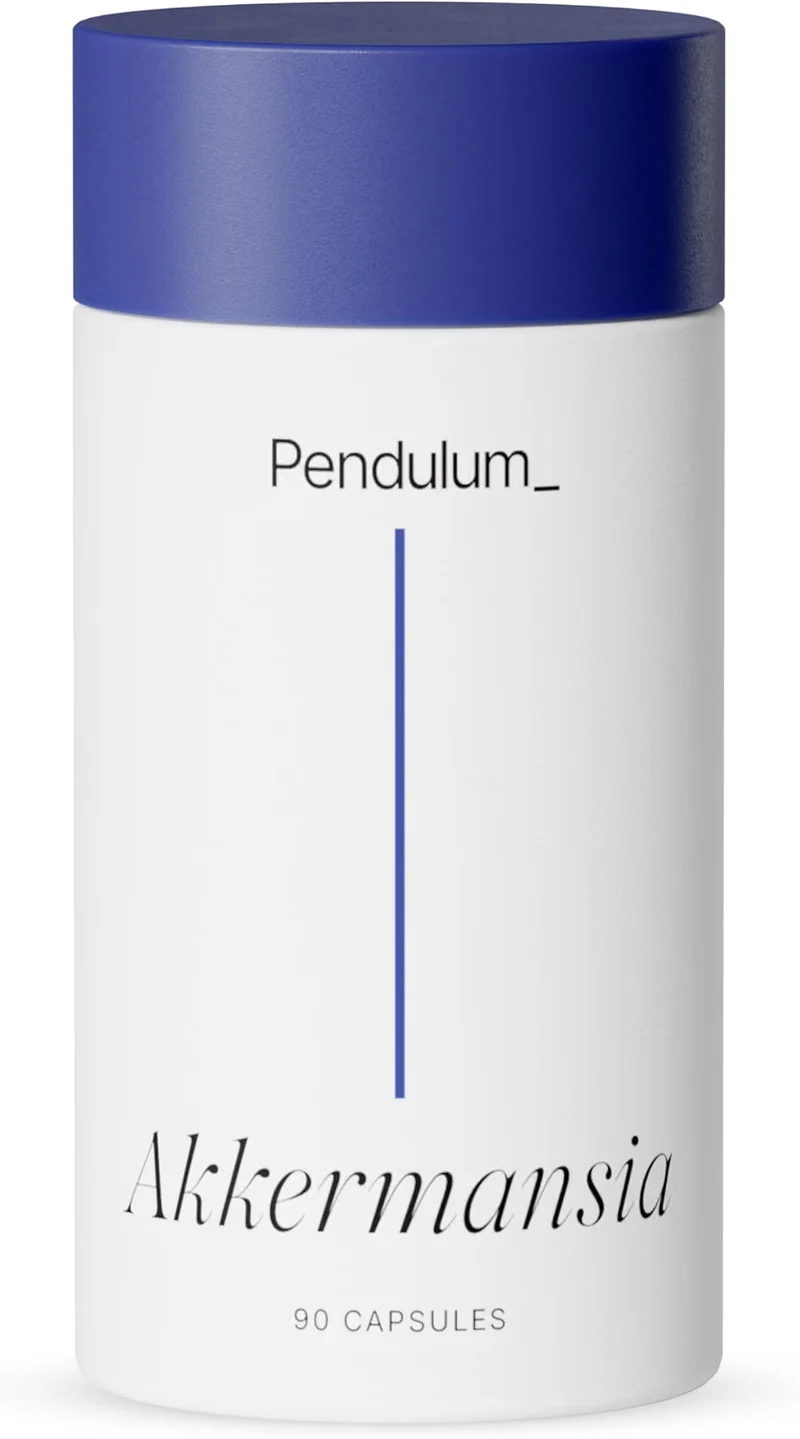
Pendulum Akkermansia
The first company to sell live Akkermansia muciniphila, with one of the cleanest labels in the supplement aisle — and a dose roughly 100 times below the amount used in the first randomised human trial of this organism, where the heat-killed form did more than the live one Pendulum sells.
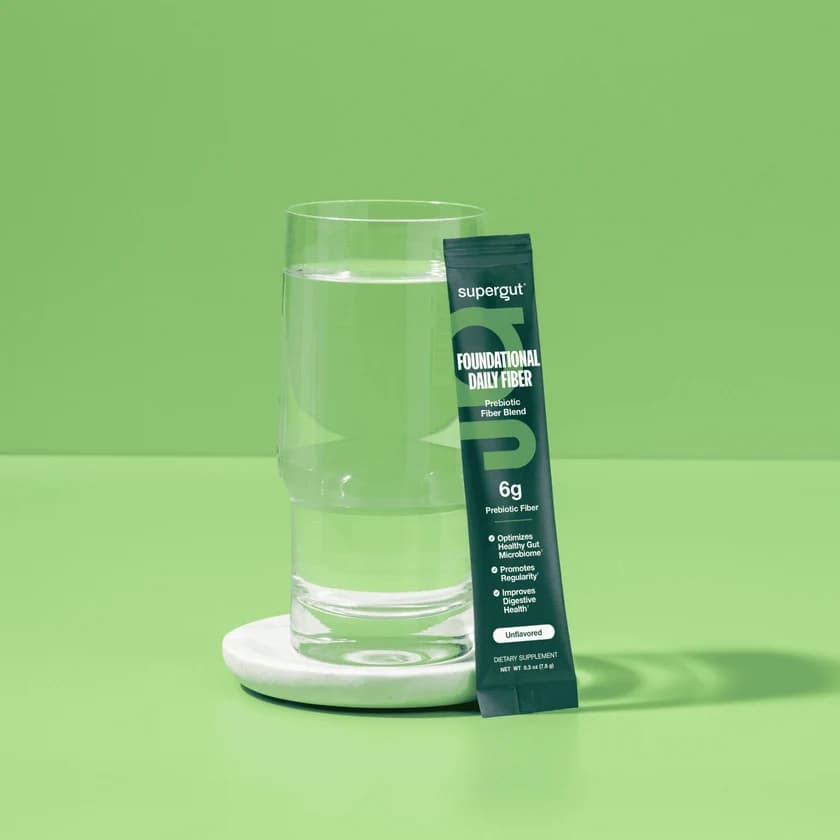
Supergut Foundational Daily Fiber
Supergut’s everyday fibre powder, reviewed against the research. Four low-FODMAP prebiotic fibres, 6 g a scoop, sensible claims about regularity and gut health — and about $10 a tub cheaper than the company’s GLP-1 powder. The weak spots are a blend with no individual amounts and a price per gram well above plain fibre.
Affiliate links: we may earn a commission at no extra cost to you. Prices and availability change — check the seller before buying.
Where to buy
Affiliate link: we may earn a commission at no extra cost to you.
Check the current priceYour questions, answered.
Does PrimeBiome work?
It may offer mild digestive support. Its probiotic, Bacillus coagulans, has trials for bloating, but at 2 billion CFU — four times PrimeBiome’s dose. Nothing in it has been tested for skin ageing or weight loss.
What do PrimeBiome reviews in the USA say?
The sales page claims 19,479 reviews but links to none we could verify. Our review is based on the full label, the refund policy and published research.
What are the ingredients in PrimeBiome?
Per gummy: Bacillus coagulans 500 million CFU, plus a 430 mg blend of chicory inulin, babchi, fennel, fenugreek, ginger, lemon balm, lion’s mane, slippery elm and dandelion. It has 4 calories and 1 g of sugar.
Are there PrimeBiome side effects?
Some people get mild gas or bloating at first. The bigger concern is babchi, which has been linked to liver injury and sun sensitivity. Stop and see a doctor if you notice dark urine, yellow skin or eyes, or unusual tiredness. Avoid it if you have liver disease or are pregnant.
Is PrimeBiome safe?
For most healthy adults the doses are small, but it is not suitable for everyone. Avoid it with liver disease, liver-affecting medicines, pregnancy, breastfeeding or a weakened immune system, and check with a doctor if you take diabetes medicine.
How do you take PrimeBiome?
One gummy a day, about 30 minutes before your morning or afternoon meal, with a full glass of water.
Where can I buy PrimeBiome? Is it on Amazon or Walmart?
PrimeBiome is sold only through its official website. It is not available on Amazon, Walmart, eBay or in stores, and listings there are not covered by the money-back guarantee.
How much does PrimeBiome cost?
Two bottles are $158 plus $9.99 shipping, three are $207 and six are $294, both with free US shipping. That is about $2.80, $2.30 or $1.63 a day.
What is the PrimeBiome refund policy?
You have 60 days from delivery. Email support with “Refund Request” in the subject, then send back all the bottles, opened or empty, with the packing slip at your own cost.
Community experiences
Reader submissions open once a page is published from the editorial database. This overview is maintained in code, so there is nothing to attach a submission to yet. If you have used this product, send it through the contact page and it will be considered when submissions open.
References
- PrimeBiome official sales page, Supplement Facts label image, refund policy and contact page — the source of every price, claim, ingredient, direction and refund term quoted here, read on 20 November 2026. sharpandlean.com
- The effects of Bacillus coagulans MTCC 5856 on functional gas and bloating in adults: a randomized, double-blind, placebo-controlled study. Medicine (Baltimore). 2023. pubmed.ncbi.nlm.nih.gov
- Outcome-Specific Efficacy of Different Probiotic Strains and Mixtures in Irritable Bowel Syndrome: A Systematic Review and Network Meta-Analysis. Nutrients. 2023. pubmed.ncbi.nlm.nih.gov
- Micka A, et al. Effect of consumption of chicory inulin on bowel function in healthy subjects with constipation: a randomized, double-blind, placebo-controlled trial. Int J Food Sci Nutr. 2017. pubmed.ncbi.nlm.nih.gov
- Clinicopathological features of Bu Gu Zhi-induced liver injury, a long-term follow-up cohort study. Liver Int. 2020;40(3):571-580. pubmed.ncbi.nlm.nih.gov
- Liver injury associated with the use of Fructus Psoraleae (Bol-gol-zhee or Bu-gu-zhi) and its related proprietary medicine. Clin Toxicol (Phila). 2009. pubmed.ncbi.nlm.nih.gov
- US Food and Drug Administration. Questions and Answers on Dietary Supplements. fda.gov
Page history
- All product figures read from the official sales page, label image, refund policy and contact page on this date. Product and label images are the brand’s own.
- First published. Scored 3.0 out of 10 against the five published criteria. Dose scores 2 because the probiotic is a quarter of the studied amount and the 430 mg blend is far below fiber doses; safety scores 5 because babchi, the second blend ingredient, has been linked to liver injury and its amount is hidden.
Compare it with
Side by side on the five scores, the dose against the studied amount, the cost per serving and what each label discloses.
Keep asking good questions.
Pendulum Akkermansia
The first company to sell live Akkermansia muciniphila, with one of the cleanest labels in the supplement aisle — and a dose roughly 100 times below the amount used in the first randomised human trial of this organism, where the heat-killed form did more than the live one Pendulum sells.
Supergut Foundational Daily Fiber
Supergut’s everyday fibre powder, reviewed against the research. Four low-FODMAP prebiotic fibres, 6 g a scoop, sensible claims about regularity and gut health — and about $10 a tub cheaper than the company’s GLP-1 powder. The weak spots are a blend with no individual amounts and a price per gram well above plain fibre.