Calocurb (Amarasate) review
The only supplement in the GLP-1 aisle with randomised human trials measuring both the hormones and the weight. The science is real, the dose on the label matches the dose in the studies — and at the label’s own target dose a bottle lasts 22 days, not the month it claims.

Our take: the science is real and the arithmetic is brutal
We have reviewed a lot of products that borrow the letters GLP-1 and have nothing behind them. This is not one of them, and it deserves to be said clearly before any criticism: Calocurb is the only supplement in this category we have found with randomised controlled human trials measuring both the hormones it claims to move and the weight it claims to shift.
The active is Amarasate, a bitter extract of New Zealand hops, delivered in a delayed-release capsule designed to survive the stomach and reach the small intestine. There it activates bitter taste receptors — the same receptor family found on the tongue — which trigger release of GLP-1, CCK and PYY. That mechanism is not a marketing metaphor; it has been measured in people, in a crossover trial published in the American Journal of Clinical Nutrition.
It also does something almost nothing else on this site does: the dose on the label is the dose in the studies. Four capsules a day is 500 mg of Amarasate, which is exactly what the trials used. That earns the highest dose score we have given.
Then the price. At the label's own target dose, the 90-capsule bottle lasts 22 days rather than the month the packaging claims, which puts the real cost at about $4.00 a day — the most expensive product we have reviewed, by some distance. The 24-week trial found 3.77 kg of weight loss against 0.40 kg on placebo. Whether 3.4 kg of difference is worth roughly $1,460 a year is a judgement, not a fact, and it is the judgement this whole review comes down to.
This is a desk review of a published label and the research behind the ingredient. Nobody here has taken this product.
What is in the capsule, and what the label tells you
A serving is two capsules and contains 250 mg of Amarasate (New Zealand hops flower extract) — 125 mg per capsule. The bottle holds 90 capsules, which the label describes as 45 servings and approximately one month's supply. The other ingredients are canola oil, rosemary leaf extract, and a delayed-release vegetarian capsule of hypromellose. That is the entire formula: one quantified active and three functional excipients.
By the standards of this aisle that is an excellent label. The active carries a number, nothing hides in a proprietary blend, the delivery system is explained rather than mystified, and both the titration schedule and the daily ceiling are printed.
The directions are specific: "Adults take 1 capsule per day for the first 48 hours. After 48 hours, take 2 capsules, twice daily at least 4 hours apart. Do not exceed 4 capsules per day." The brand suggests taking them on an empty stomach, about an hour before a meal. A slow start on a bitter gut-acting compound is sensible, and publishing a maximum is more than most brands bother to do.
The arithmetic problem with "one month"
Here is where the label contradicts itself, and it is worth doing slowly because it changes the price of the product by a third.
The target dose the label builds you up to is two capsules twice daily — four capsules a day. The bottle contains 90 capsules. Ninety divided by four is 22.5 days.
The "45 servings, approximately 1 month" figure is arrived at by counting a serving as two capsules and then quietly assuming you take one serving a day. But the label's own instruction is to take two servings a day after the first 48 hours. Both numbers are printed on the same product, and they cannot both describe how you are meant to use it.
The consequence is financial. At $89.99 a bottle and 22.5 days of use, the cost is $4.00 a day, or roughly $122 a month, not $89.99. Subscription pricing takes about 15 per cent off, which brings it to roughly $3.40 a day. For comparison, the sales-page supplements we have reviewed run $1.63 to $2.97 a day, and a well-evidenced vitamin D costs six cents.
We are not accusing anyone of dishonesty — "servings per container" is a defined labelling term and 45 is arithmetically correct for it. But a reader budgeting from the front of the bottle will be out by a third, and the brand knows what dose it is telling people to take.
The evidence, trial by trial
This is the part that separates Calocurb from everything else in the category, so it is worth going through properly rather than accepting a "clinically studied" badge.
The mechanism trial
The key paper is Walker and colleagues, published in the American Journal of Clinical Nutrition in 2022. Nineteen healthy-weight men completed a randomised, double-blind, three-treatment crossover with a week between treatments: placebo, 500 mg of hops extract in delayed-release capsules, or 500 mg in quick-release capsules.
Both active treatments significantly reduced ad libitum energy intake — by about 911 to 944 kJ, roughly 220 kcal — against placebo. Both significantly increased post-prandial CCK, GLP-1 and PYY. That is the claim tested directly, in people, with the hormones measured rather than assumed. It is a small, acute, single-sex study, and it is still better evidence than any competitor in this aisle has produced.
The fasting and women's trials
An earlier 2019 study put 30 men through a 24-hour water-only fast and reported reduced hunger with the extract. A 2024 study repeated the acute design in 30 women. Both are small, both are short, and both come from the same research programme.
The weight trial
The 24-week C4 trial is the one the marketing leans on, and it is the most substantial. It randomised 150 adults with a BMI of 25 to 35 in a double-blind placebo-controlled parallel design, with 128 completing. Reported in Obesity Pillars in July 2026, it found participants on Amarasate lost 3.77 kg against 0.40 kg on placebo — about 4.3 per cent of body weight — with lean mass preserved and the loss coming from fat including visceral fat.
Three caveats belong with that figure, and none of them cancels it. Both arms received diet and exercise advice, so this is a supplement added to a programme rather than a supplement alone. The research originates with the New Zealand institute that developed Amarasate and licenses it commercially, which is a real interest to declare. And we could not open the paper itself — PubMed and the publisher both refused our requests — so the trial figures here come from the institute's own announcement and trade reporting of it, which is a weaker chain of custody than we would like.
What the numbers mean next to the drugs
Semaglutide produced about 15 per cent weight loss in STEP 1 and tirzepatide 20.9 per cent in SURMOUNT-1. Calocurb's 4.3 per cent is roughly a quarter of that. Our GLP-1 explainer charts the four figures to scale, and the picture is the honest summary: this is a real effect at a much smaller size, not a substitute for a prescription and not nothing.
The claims on the page, checked
"9x more weight loss than willpower alone over 6 months." Arithmetically true and rhetorically generous: 3.77 kg divided by 0.40 kg is about 9.4. Multiplying two small numbers produces a large multiple. The absolute difference is 3.4 kg over six months, which is the figure that matters to a buyer.
"Reduce hunger by 30%, cravings by 40% and calorie intake by 18%." These come from the acute trials, where the effects were measured over hours rather than months. They describe what happens after a dose, not what happens to your weight over a year.
"Works in as little as one hour, with fullness lasting 4-6 hours." Consistent with a delayed-release capsule reaching the small intestine and the hormone responses measured in the crossover trial.
"15 years clinical research in humans." Defensible as a description of the research programme, though it should be read as four published human studies rather than fifteen years of continuous trials.
Side effects, and one sentence we would change
The brand discloses what to expect, which is to its credit: "In the first 24-48 hours some people may experience a mild laxative effect, cramps and indigestion or hop tasting burps." That is a straight description of what a bitter gut-acting compound does, and publishing it rather than burying it is the right instinct.
The sentence that follows is not: "Just like any other detox - it's a spring clean for your body!" There is no detox here and nothing is being spring-cleaned. A product with genuine trials behind its actual mechanism does not need to reach for the vocabulary of products that have none, and the contrast between that line and the AJCN paper is jarring.
The product is not tested in anyone under 18, or in women who are pregnant or breastfeeding, and should be avoided by all three groups. No serious drug interactions are established, but if you take regular medication — particularly anything where absorption timing matters, since this is designed to slow gastric emptying and is taken on an empty stomach — raise it with a pharmacist first.
One number worth weighing: the Amazon listing shows a 3.7 rating across 528 reviews, which is low for a supplement. Marketplace ratings measure satisfaction rather than efficacy and blend delivery and price complaints with everything else. But for a product whose main acute effect is gastrointestinal, a mediocre rating on a large sample is at least consistent with tolerance being a genuine issue for a meaningful share of buyers.
Who this is actually for
There is a narrow but real case for this product, and it is worth stating precisely because most coverage either dismisses it or oversells it.
It makes sense for someone who cannot access a GLP-1 prescription — ineligible, unable to afford it, or unwilling to inject — who has the disposable income for roughly $1,460 a year, and who understands they are buying about a quarter of the drug effect. It makes sense for someone whose specific problem is appetite and snacking rather than portion size, because the measured effect is on hunger and ad libitum intake.
It does not make sense as a cheaper route to the same result, because it is not cheaper than anything except the drugs and does not produce the same result. And it makes no sense at all for someone who has not first tried the free interventions the trial participants also received, since both arms of the C4 trial got diet and exercise advice.
Sources and shopping: what to check
Before ordering, do the division yourself: capsules in the bottle, divided by the daily dose you intend to take, gives the days of supply and therefore the real cost. If you plan to follow the label to four capsules a day, budget for a bottle every three weeks.
Check whether a subscription is genuinely cheaper for you at that consumption rate, and read the cancellation terms before starting one. And if you are considering this because you cannot get a prescription, it is worth one conversation with a doctor first to confirm that is actually true — eligibility criteria in several countries have widened.
Our commercial link is our Calocurb link. It earns a commission at no extra cost to you and has not moved the 6.6 above — a score built from the highest dose-accuracy mark we have given and the lowest value mark on any product we would otherwise recommend.
The fair summary: this is what a supplement looks like when a company actually does the research. It is also $4 a day for 3.4 kg over six months. Both of those things are true, and which one decides it depends entirely on your budget.
Ingredient analysis
Amarasate (New Zealand hops flower extract)
moderate evidenceA bitter supercritical CO2 extract of Humulus lupulus in a delayed-release capsule, designed to reach the small intestine and activate bitter taste receptors that release GLP-1, CCK and PYY. Four randomised human trials support it, including a crossover study in the American Journal of Clinical Nutrition that measured the hormone responses directly and found energy intake reduced by about 220 kcal. The 500 mg daily target matches the studied dose exactly.
Delayed-release capsule (hypromellose)
none evidenceNot an inactive detail. The entire mechanism depends on the bitter compounds bypassing the stomach and reaching the small intestine intact, so the coating is doing real work — which is also why the product is taken on an empty stomach an hour before eating.
Canola oil, rosemary leaf extract
none evidenceA carrier oil and an antioxidant that helps keep the extract stable. Neither is an active ingredient and neither needs an amount. The brand states the canola oil is GMO free.
Who it’s for. What to consider.
Who it may suit
Someone who cannot get a GLP-1 prescription — ineligible, priced out, or unwilling to inject — whose specific difficulty is appetite and snacking, who can absorb roughly $1,460 a year, and who understands they are buying about a quarter of the drug effect on top of diet and exercise rather than instead of it.
Who should avoid it
Anyone under 18, pregnant or breastfeeding — the product is untested in all three. Anyone on regular medication where absorption timing matters, until a pharmacist has seen it. Anyone budgeting from the front of the bottle, because a month costs about $122 rather than $89.99. Anyone who has not yet tried the diet and exercise advice both arms of the trial received.
What stands out
The only supplement in this category with randomised human trials measuring GLP-1, CCK and PYY directly, one published in the American Journal of Clinical Nutrition
The label’s target dose of 500 mg a day is exactly the dose used in the trials — the highest dose-accuracy mark we have given
A single quantified active at 250 mg per serving, with no proprietary blend and only three functional excipients
The titration schedule and a daily maximum are both printed, which most brands do not bother with
Gastrointestinal side effects are disclosed up front rather than buried
Worth considering
At the label’s own target dose the bottle lasts 22.5 days, not the "approximately 1 month" it claims
About $4.00 a day, or roughly $122 a month — the most expensive product reviewed on this site
The 24-week weight trial delivered 3.77 kg against 0.40 kg on placebo: real, but roughly a quarter of the drug effect
The research programme originates with the institute that developed and licenses the extract
We could not open the Obesity Pillars paper itself; those figures come from the institute and trade reporting
A 3.7 rating across 528 Amazon reviews is low, and consistent with tolerance being a real issue
"Just like any other detox - it's a spring clean for your body" is marketing language a product with real trials does not need
Score breakdown
Five criteria, each out of 10, averaged to the overall score. See how we score products.
How does it compare?
A closer look at the alternatives. Compare the ingredients and serving sizes, then explore the full review.
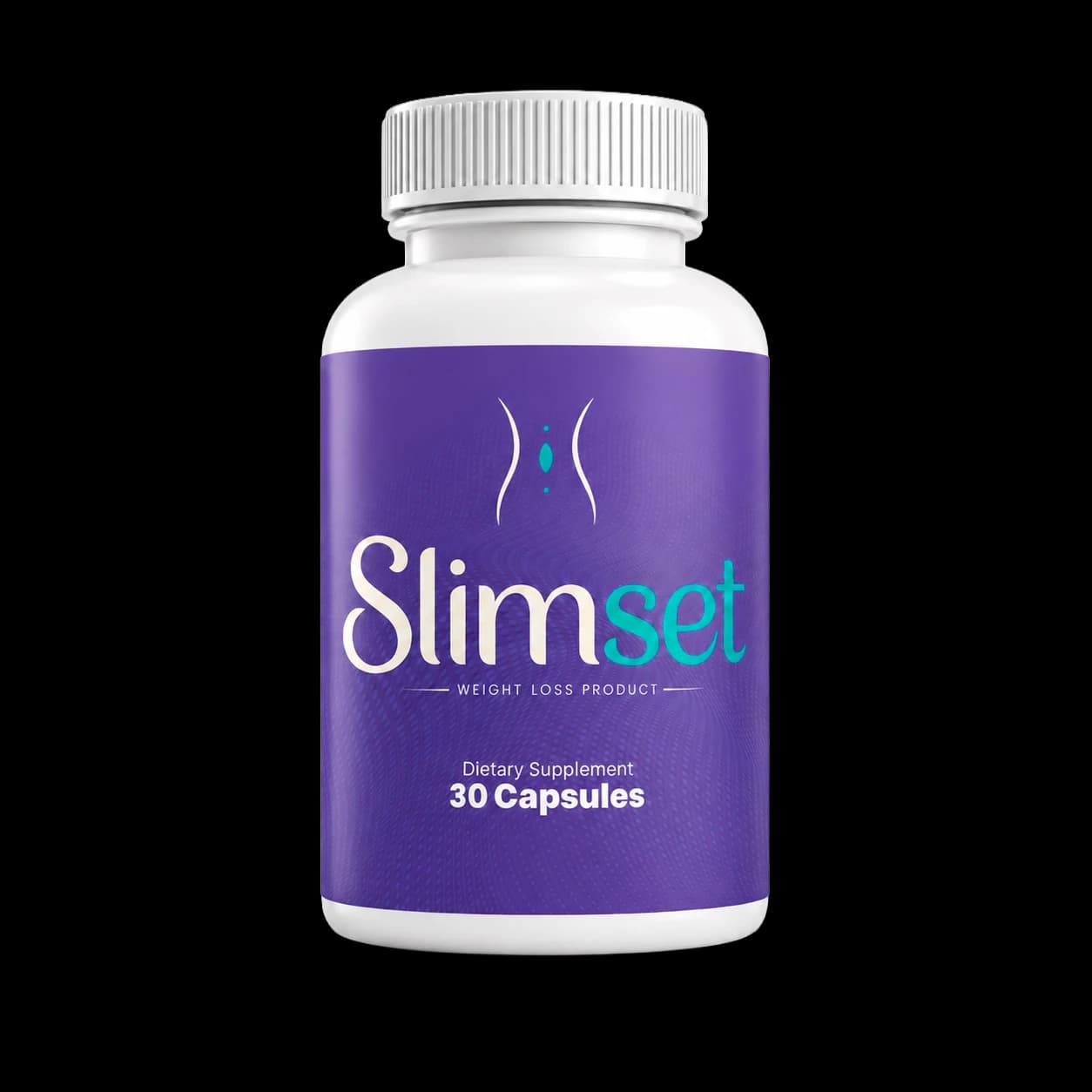
SlimSet
A one-capsule-a-day weight management supplement sold direct from its own sales page. Five ingredients are named; exactly one has an amount attached, and it is the caffeine. That single fact decides most of this review.
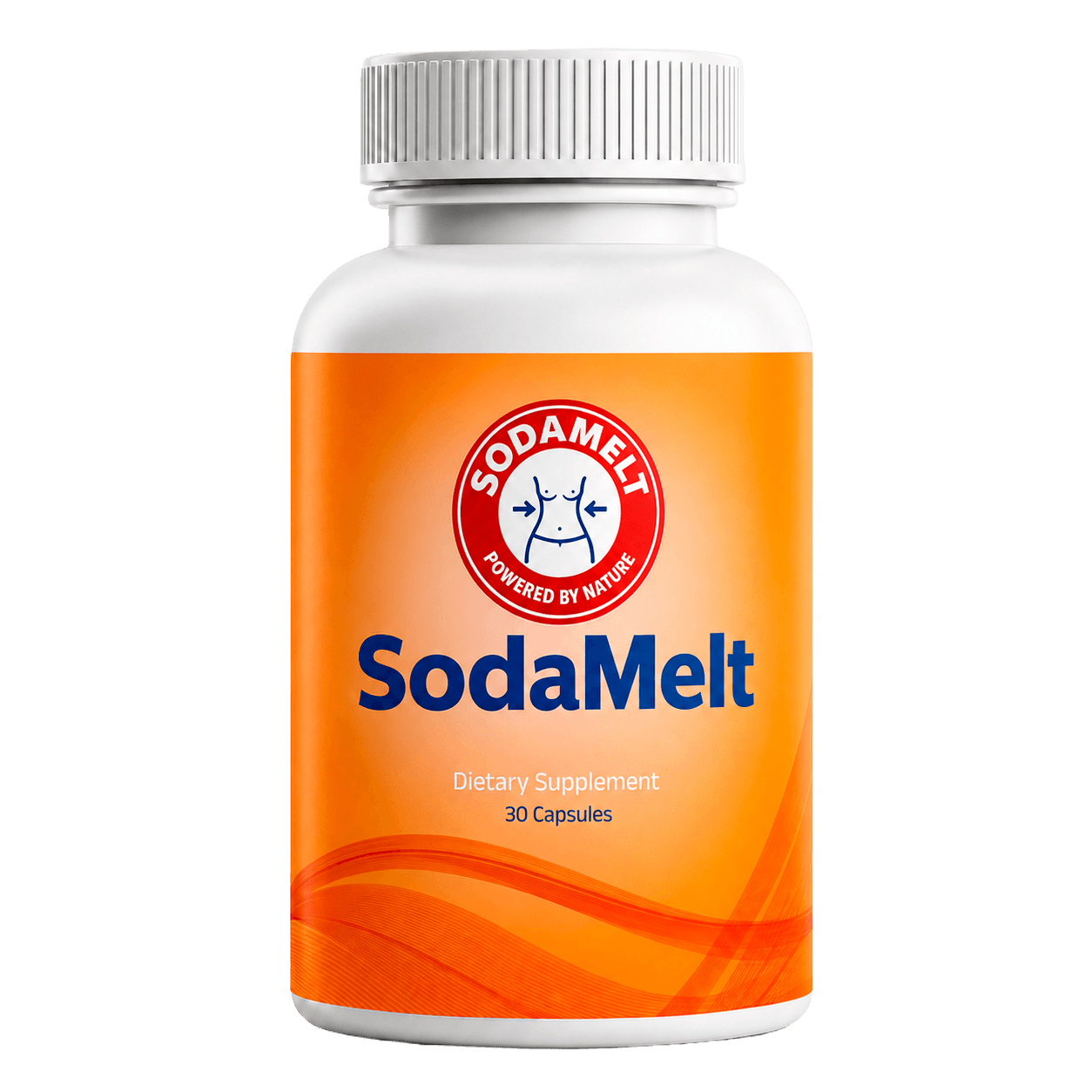
SodaMelt
Sold as a daily “metabolic wellness” capsule for bloating, and built on a proprietary blend containing cascara sagrada, buckthorn and Chinese rhubarb — three stimulant laxatives — on a page that promises no harsh laxatives and recommends taking it every day for three to six months.
Affiliate links: we may earn a commission at no extra cost to you. Prices and availability change — check the seller before buying.
Where to buy
Affiliate link: we may earn a commission at no extra cost to you.
Check the current priceYour questions, answered.
Does Calocurb actually work?
It has better evidence than anything else in this category, and the effect is modest. A 24-week double-blind trial of 150 adults reported 3.77 kg of weight loss against 0.40 kg on placebo — with both groups receiving diet and exercise advice. Separately, a crossover trial in the American Journal of Clinical Nutrition measured the mechanism directly and found GLP-1, CCK and PYY all rose while energy intake fell by about 220 kcal. So: yes, measurably, at roughly a quarter of the scale of the prescription drugs.
How long does a bottle really last?
About 22 days, not the month the label suggests. The bottle holds 90 capsules and the label tells you to build up to four a day, which is 22.5 days. The "45 servings" figure counts a serving as two capsules and assumes one serving daily, which is half the dose the same label instructs. Budget accordingly — a month at the target dose costs roughly $122 rather than $89.99.
Is it the same as Ozempic?
No, and it is not close. Ozempic and Wegovy are semaglutide, a drug that holds GLP-1 signalling open for a week; this nudges your own GLP-1, which lasts about two minutes, through bitter receptors in your gut. Semaglutide produced about 15 per cent weight loss in STEP 1 and tirzepatide 20.9 per cent in SURMOUNT-1. Calocurb produced 4.3 per cent. Our GLP-1 explainer charts those figures to scale.
What are the side effects?
The brand states that in the first 24 to 48 hours some people may get a mild laxative effect, cramps, indigestion or hop-tasting burps. That is a fair description of what a bitter gut-acting compound does, and disclosing it is to their credit. The Amazon rating of 3.7 across 528 reviews is low for a supplement, which is at least consistent with a meaningful share of people not tolerating it well.
How do I take it?
The label says one capsule a day for the first 48 hours, then two capsules twice daily at least four hours apart, not exceeding four a day. The brand recommends taking them on an empty stomach about an hour before a meal, which matters: the delayed-release capsule needs to reach the small intestine, and food in the stomach works against that.
Who should not take it?
Anyone under 18, pregnant or breastfeeding — the product is untested in all three groups and the brand says so. If you take regular medication, particularly anything where absorption timing matters, ask a pharmacist first, since this is designed to slow gastric emptying and is taken on an empty stomach.
Is the research independent?
Not entirely, and the page should say so. Amarasate was developed by the New Zealand research institute that licenses it commercially, and the published trials come from that programme. That does not invalidate a double-blind placebo-controlled design, and the AJCN paper cleared peer review at a serious journal. It does mean nobody unconnected to the product has yet replicated the weight findings.
Is it worth $4 a day?
That is a budget question rather than a scientific one, and we would rather put the figures side by side than answer it for you. Six months at the target dose is roughly $725 and the trial difference was 3.4 kg. If you would otherwise be paying for a GLP-1 prescription, this is cheaper. Against almost anything else — including doing nothing differently — it is expensive for the effect size.
Community experiences
Reader submissions open once a page is published from the editorial database. This overview is maintained in code, so there is nothing to attach a submission to yet. If you have used this product, send it through the contact page and it will be considered when submissions open.
References
- Calocurb. GLP-1 Activator product page — the Supplement Facts panel, 250 mg Amarasate per serving, titration schedule, four-capsule daily ceiling and $89.99 price, read on 23 September 2026.
- Walker EG et al. (2022). An extract of hops (Humulus lupulus L.) modulates gut peptide hormone secretion and reduces energy intake in healthy weight men: a randomised, cross-over clinical trial. American Journal of Clinical Nutrition 115(3):925-940 — 19 men, 500 mg, energy intake reduced by about 911 to 944 kJ with CCK, GLP-1 and PYY all increased.
- Walker E et al. (2019). New Zealand bitter hops extract reduces hunger during a 24 h water only fast. Nutrients — 30 men, the earlier acute hunger study.
- Amarasate — overview of the extract, its development by the New Zealand institute that licenses it, and the published human trials including the 24-week C4 trial reported in Obesity Pillars in July 2026. We were unable to open that paper; its figures here come from the institute and trade reporting of it.
- Calocurb Amazon.com listing — the ingredient list, directions, the "what to expect" side-effect wording, and the 3.7 rating across 528 reviews, read on 23 September 2026.
- US Food and Drug Administration. Questions and answers on dietary supplements — supplements are not approved by the FDA for safety or effectiveness before sale.
Page history
- The panel, titration schedule and price were read from the brand’s own product page, with the ingredient list, side-effect wording and customer rating cross-checked against its Amazon listing. The Obesity Pillars paper behind the 24-week weight figures could not be opened; the page states that rather than implying we read it, and will be updated if the full text becomes reachable.
- First published. Scored 6.6 out of 10. The dose mark of 9 is the highest given on this site: the label’s 500 mg daily target is exactly the dose used in the trials. The value mark of 3 is the lowest given to a product with genuine evidence behind it, because at that target dose a 90-capsule bottle lasts 22.5 days and costs about $4.00 a day.
Keep asking good questions.
SlimSet
A one-capsule-a-day weight management supplement sold direct from its own sales page. Five ingredients are named; exactly one has an amount attached, and it is the caffeine. That single fact decides most of this review.
SodaMelt
Sold as a daily “metabolic wellness” capsule for bloating, and built on a proprietary blend containing cascara sagrada, buckthorn and Chinese rhubarb — three stimulant laxatives — on a page that promises no harsh laxatives and recommends taking it every day for three to six months.