Myprotein Alpha Men review
The value sports-shop men’s multivitamin, reviewed against what multivitamin research actually shows. It is cheap for what it lists — vitamins, minerals and a long run of herbal extracts including ginseng, ginkgo and royal jelly — but the extracts are almost certainly too small to matter, some carry real interaction risks, and listings disagree on how many tablets to take.

Our take: cheap, busy and not better for it
Myprotein Alpha Men is sold as a “super multivitamin” for active men, and its ingredient list is built to look impressive: the usual vitamins and minerals, plus Korean ginseng, ginkgo biloba, royal jelly, nettle leaf, grape seed extract, alpha lipoic acid, kelp, choline, inositol and digestive enzymes. It is also cheap, at roughly 13p to 20p a day.
The problem is that length is not strength. The evidence that a multivitamin helps a man who already eats reasonably is weak, and a tablet that must hold two dozen other ingredients can only contain small amounts of each botanical — far below the doses used in studies of them. Some of those botanicals also bring real cautions: ginkgo with blood thinners, royal jelly with allergies and asthma, kelp with thyroid conditions.
This is a desk review. We have read the published ingredient list, UK retailer listings and the research on multivitamins in healthy adults. We have not taken these tablets, tested their contents or run a trial. We could not open Myprotein’s own product page, the per-serving amounts were not confirmable from the listings we could read, and listings disagree on how many tablets to take, so this page does not quote amounts.
What exactly are you buying?
Alpha Men is sold in packs of 120 and 240 tablets. Current listings give a serving as two tablets, making a 120-tablet pack 60 days. Some listings instead say two tablets in the morning and two in the evening — four a day, which would halve how long a pack lasts and double the daily dose. Check the directions on your pack and follow them, not a retailer’s copy.
The ingredient list, as published in listings, includes dicalcium phosphate and calcium carbonate, vitamin E, magnesium, choline bitartrate, calcium pantothenate, Korean ginseng extract (10:1), alpha lipoic acid, royal jelly extract (3:1), citrus bioflavonoids, kelp powder, ginkgo biloba extract (50:1), zinc, thiamin, selenomethionine, vitamin B6, vitamin A, riboflavin, nettle leaf extract (4:1), grape seed extract (50:1), inositol, bromelain and other enzymes, along with vitamin D3, vitamin C, vitamin B12, biotin and other nutrients.
The ratios after the extracts — 10:1, 50:1 — describe how concentrated each extract is, not how much is in the tablet. A 50:1 ginkgo extract in a small amount is still a small amount. Our guide to what a supplement label hides explains why extract ratios are often used to make small doses sound large.
What does the evidence say about multivitamins?
The largest randomised trial of a daily multivitamin in men, the Physicians’ Health Study II, followed 14,641 male US doctors for a median of 11 years. The cancer results showed a small reduction in total cancer, and the cardiovascular results no reduction in heart attacks, strokes or cardiovascular death. The US Preventive Services Task Force’s 2022 recommendation found the evidence insufficient to say whether multivitamins prevent heart disease or cancer, and a 2024 analysis of 390,124 healthy US adults found daily multivitamin use was not linked to living longer.
The NHS says most people should get the vitamins and minerals they need from a varied diet, with the clear exception of vitamin D in autumn and winter, when the NHS advises considering 10 µg a day. Our guide to which vitamins to take daily covers the other exceptions.
For the botanicals, the picture is weaker still. Ginseng, ginkgo and alpha lipoic acid have been studied at hundreds of milligrams a day for specific outcomes, with mixed results. None has good evidence of benefit for healthy, active men at the small amounts a multivitamin tablet can hold.
The cautions the extras bring
- Ginkgo biloba may affect blood clotting. Anyone taking warfarin, other anticoagulants, antiplatelet medicines such as clopidogrel, or regular aspirin should check with a pharmacist before taking it, and stop it before surgery.
- Royal jelly can cause allergic reactions, including asthma attacks and, rarely, anaphylaxis, particularly in people with asthma or bee-related allergies.
- Kelp is a natural source of iodine whose content varies. People with thyroid conditions, or taking thyroid medicines, should check with their GP before taking kelp-containing products.
- Stacking: if you also take a pre-workout or another supplement, add up the vitamin B6, vitamin A and zinc against the NHS guidance on safe amounts from supplements.
For most healthy men taking the stated dose, none of this is likely to cause problems. It does mean Alpha Men is a less straightforward product than a plain multivitamin, for no evidence-based gain.
Price: what does a day cost?
In listings read on 28 September 2026, the 120-tablet pack ranged from £7.99 at one sports-nutrition retailer to about £9.77 on Amazon and £11.99 at another retailer. At two tablets a day, that is roughly 13p to 20p a day; at four a day, 26p to 40p. We read these prices from listings rather than taking an order through checkout.
At two tablets a day, that is cheaper than Wellman Original at its usual price and far cheaper than Opti-Men, but two to four times the cost of Tesco A–Z at about 5.5p.
Best alternatives
The ones we have fully reviewed are linked, and appear in the comparison cards below this article. The others we name for comparison only: we have not reviewed them in full, so do not read their inclusion as a recommendation.
- A plain 10 µg vitamin D tablet — the best alternative for most men who eat a varied diet, since vitamin D is the one gap the NHS expects most people in the UK to have. A few pence a day.
- Tesco A–Z Multivitamins & Minerals (reviewed) — our highest-scoring multivitamin: a conventional one-a-day with no botanicals, at about 5.5p a day. Check its iron.
- Vitabiotics Wellman Original (reviewed) — one tablet a day with 10 µg of vitamin D, fewer botanicals, but B6 just under the NHS limit and added iron.
- Optimum Nutrition Opti-Men (reviewed) — the big-brand sports multi, no iron on the European formula, but three tablets a day at several times the price.
Who should skip it, and what to watch for
Skip it if you eat a varied diet and only need vitamin D. Skip it, or check with a pharmacist first, if you take blood thinners or regular aspirin, have asthma or a bee or pollen allergy, have a thyroid condition, or already take other supplements containing B6, vitamin A or zinc.
Take it with food. Anyone taking prescription medicines should check with a pharmacist, since minerals can reduce the absorption of some antibiotics and thyroid medicines. The listings we read made no banned-substance testing claim, so drug-tested athletes should look for a batch-certified product.
Food supplements sold in Great Britain are not approved by a regulator for safety or effectiveness before sale, so the label is the manufacturer’s responsibility rather than a regulator’s endorsement.
Sources and shopping: our UK buying checklist
Before you buy, read the directions on the pack for the number of tablets a day, and the panel for vitamin D, B6 and iron. Work out the cost per day at that dose, and compare it with a supermarket A–Z and a plain vitamin D tablet.
Our commercial link for this product is our Myprotein Alpha Men link. It earns us a commission at no extra cost to you, and it has no influence on the score above — which is a 5.2, held back by weak evidence that well-fed men benefit, botanical extras at doses we could not confirm and that add cautions, and conflicting directions.
The fair summary is this. Alpha Men is cheap, but its long list of extras makes it more complicated without making it more useful. A simpler multivitamin, or just vitamin D, does the job with fewer caveats.
Ingredient analysis
Vitamins and minerals (including vitamin D3, B vitamins, vitamin C, zinc, selenium, magnesium, calcium)
moderate evidenceUseful where intake is low, and vitamin D is worth taking in UK winters. Little evidence of benefit from topping up nutrients a varied diet already supplies.
Full evidence on Vitamin DStudied at hundreds of milligrams for specific outcomes, with mixed results. No good evidence of benefit at multivitamin doses. Ginkgo may interact with blood thinners.
Full evidence on Grape seed extractRoyal jelly extract
weak evidenceNo good evidence of benefit for healthy men. Can cause allergic reactions, including asthma attacks, in sensitive people.
Kelp powder
weak evidenceA natural source of iodine with variable content. People with thyroid conditions should check with their GP.
Alpha lipoic acid, choline, inositol, bioflavonoids and enzymes
weak evidencePresent in the small amounts a multivitamin tablet allows. They add label length rather than evidence-based benefit.
Who it’s for. What to consider.
Who it may suit
An adult man with a genuinely limited diet who wants a cheap multivitamin, takes no blood thinners or thyroid medicines, has no asthma or bee allergy, and is happy to check the directions and panel on his pack.
Who should avoid it
Men eating a varied diet who only need vitamin D in winter. Anyone taking warfarin, other anticoagulants, antiplatelet medicines or regular aspirin. Anyone with asthma or a bee or pollen allergy, given the royal jelly. Anyone with a thyroid condition, given the kelp. Competing athletes who need a batch-certified product.
What stands out
About 13p to 20p a day at two tablets
A broad vitamin and mineral base, including vitamin D3 and selenium
Sold in 120- and 240-tablet packs
Worth considering
Large trials show little benefit from multivitamins in men who already eat reasonably
Herbal extracts given as concentration ratios rather than doses, almost certainly far below studied amounts
Ginkgo, royal jelly and kelp bring interaction and allergy cautions
Listings disagree on whether to take two or four tablets a day
We could not confirm the per-serving amounts
Score breakdown
Five criteria, each out of 10, averaged to the overall score. See how we score products.
How does it compare?
A closer look at the alternatives. Compare the ingredients and serving sizes, then explore the full review.
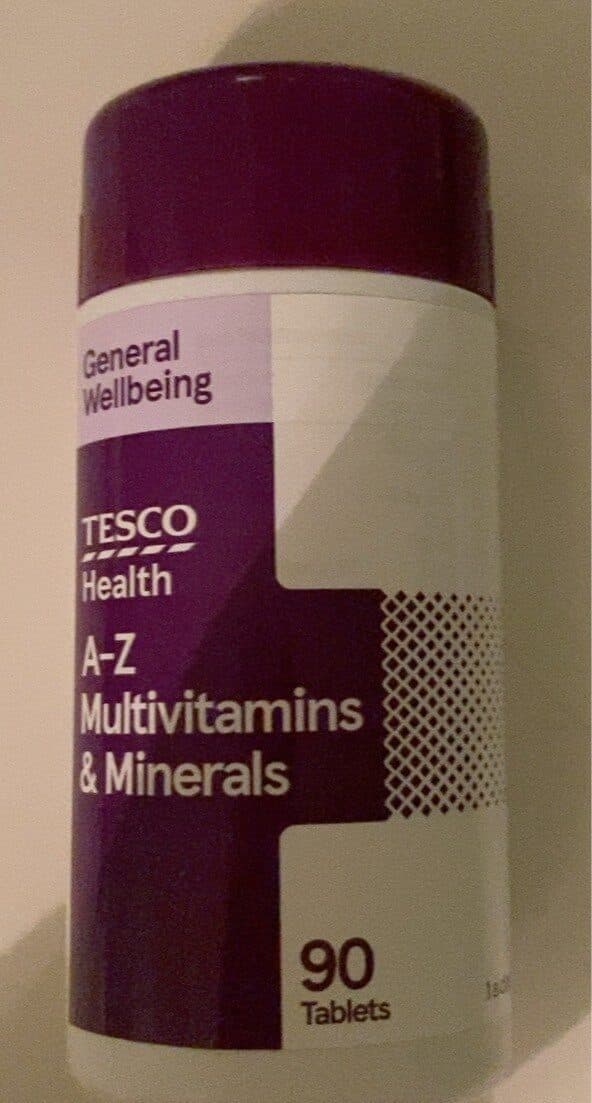
Tesco A–Z Multivitamins & Minerals
The supermarket own-brand multivitamin, reviewed against what multivitamin research actually shows. One tablet a day, 23 nutrients and about 5.5p a day — the cheapest multivitamin we have priced by a wide margin. It will not do much for someone who already eats well, and the amounts per tablet are on the pack but not on the listings we could read.
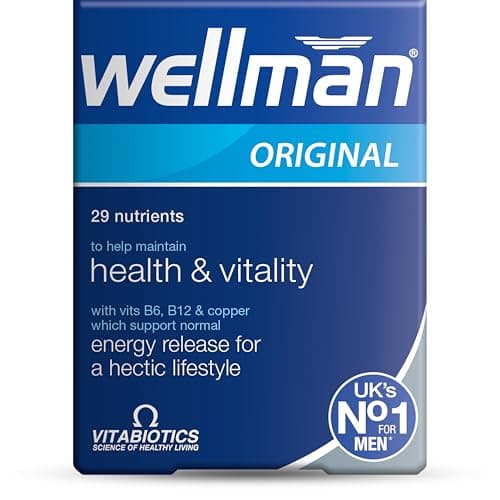
Vitabiotics Wellman Original
The UK’s best-known men’s multivitamin, reviewed against what multivitamin research actually shows. One tablet a day with the NHS-recommended 10 µg of vitamin D and a long list of extras — but most men who eat reasonably do not need a multivitamin, its vitamin B6 sits just under the NHS limit, and it adds iron most men should not take.
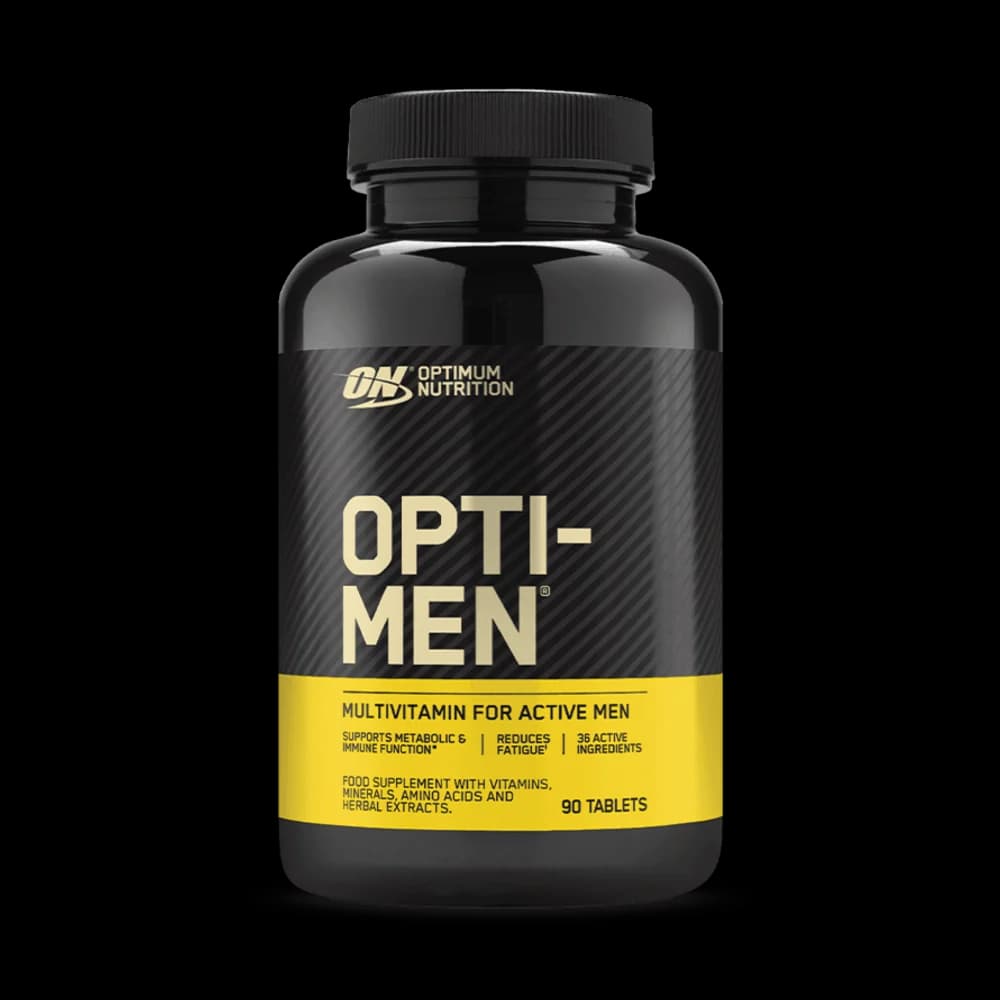
Optimum Nutrition Opti-Men
The gym-shelf men’s multivitamin, reviewed against what multivitamin research actually shows. The vitamin doses are sensible and the vitamin D is right for a UK winter — but most men who eat reasonably do not need a multivitamin, the extras are too small to matter, and it costs up to ten times as much a day as a supermarket A–Z.
Affiliate links: we may earn a commission at no extra cost to you. Prices and availability change — check the seller before buying.
Where to buy
Affiliate link: we may earn a commission at no extra cost to you.
Check the current priceYour questions, answered.
Is Myprotein Alpha Men any good?
It is cheap, at about 13p to 20p a day, and covers the usual vitamins and minerals. But its herbal extras are almost certainly too small to matter and bring some cautions, and most men who eat well need only vitamin D. A simpler multivitamin does the same job with fewer caveats.
How many Alpha Men tablets should I take a day?
Follow the directions on your pack. Current listings give a serving as two tablets, but some say two in the morning and two in the evening. The number changes both the dose and the cost per day, so check before you start.
Can I take Alpha Men with blood thinners?
Check with your pharmacist or GP first. It contains ginkgo biloba, which may affect blood clotting and interact with warfarin, other anticoagulants, antiplatelet medicines and regular aspirin.
Is Alpha Men better than Wellman or Opti-Men?
Not in any way the evidence supports. It is cheaper than both, but has more botanical extras with more cautions. Our highest-scoring multivitamin is Tesco A–Z, a plain one-a-day at about 5.5p a day.
Is it safe if I have asthma?
Check with your GP or pharmacist first. Alpha Men contains royal jelly, which can trigger allergic reactions, including asthma attacks, in sensitive people, particularly those with bee or pollen allergies.
Community experiences
Reader submissions open once a page is published from the editorial database. This overview is maintained in code, so there is nothing to attach a submission to yet. If you have used this product, send it through the contact page and it will be considered when submissions open.
References
- Myprotein product page for Alpha Men — the product described here; the ingredient list and directions were read from listings of it via search on 28 September 2026. myprotein.com
- Open Food Facts entry for Myprotein Alpha Men — the product’s UK label record. uk.openfoodfacts.org
- Dolphin Fitness UK listing for Myprotein Alpha Men 120 tablets — the lowest price quoted here. dolphinfitness.co.uk
- Gaziano et al. (2012), JAMA. Multivitamins in the prevention of cancer in men: the Physicians’ Health Study II randomised controlled trial. pubmed.ncbi.nlm.nih.gov
- Sesso et al. (2012), JAMA. Multivitamins in the prevention of cardiovascular disease in men: the Physicians’ Health Study II randomised controlled trial. pubmed.ncbi.nlm.nih.gov
- US Preventive Services Task Force (2022), JAMA. Vitamin, mineral and multivitamin supplementation to prevent cardiovascular disease and cancer: recommendation statement. pubmed.ncbi.nlm.nih.gov
- Loftfield et al. (2024), JAMA Network Open. Multivitamin use and mortality risk in three prospective US cohorts. pubmed.ncbi.nlm.nih.gov
- NHS. Vitamin D — the advice to consider 10 µg a day in autumn and winter. nhs.uk
- NHS. Vitamins and minerals — guidance on safe amounts from supplements. nhs.uk
Page history
- First published for the UK market, as a full review of an alternative named in our men’s multivitamin reviews. We could not open Myprotein’s own product page, so the ingredient list and directions come from listings read via search on this date, and per-serving amounts are not quoted. This is a desk review: nobody on our team has used this product.
- Scored 5.2 out of 10 against the five published product criteria. Cheap per day. The marks lost are for weak evidence that well-fed men benefit, botanical extras given as ratios rather than doses and carrying interaction and allergy cautions, conflicting directions and per-serving amounts we could not confirm.
Compare it with
Side by side on the five scores, the dose against the studied amount, the cost per serving and what each label discloses.
- Myprotein Alpha Men vs NOW Omega-3 Molecularly Distilled6.4/10
- Myprotein Alpha Men vs Nature Made Vitamin D3 1000 IU7.4/10
- Myprotein Alpha Men vs Optimum Nutrition Gold Standard 100% Whey7.0/10
- Myprotein Alpha Men vs Myprotein Impact Whey Protein7.6/10
- Myprotein Alpha Men vs Kinetica Whey Protein8.0/10
- Myprotein Alpha Men vs Yu Sleep1.8/10
- Myprotein Alpha Men vs Pendulum Akkermansia4.0/10
- Myprotein Alpha Men vs Optimum Nutrition Micronised Creatine Powder7.4/10
- Myprotein Alpha Men vs Optimum Nutrition Opti-Men5.0/10
- Myprotein Alpha Men vs Optimum Nutrition Gold Standard 100% Casein Protein Powder6.6/10
- Myprotein Alpha Men vs Optimum Nutrition Serious Mass5.8/10
- Myprotein Alpha Men vs Myprotein Impact Creatine8.6/10
- Myprotein Alpha Men vs Myprotein Impact Weight Gainer6.8/10
- Myprotein Alpha Men vs Myprotein Slow-Release Casein7.6/10
- Myprotein Alpha Men vs Bulk Creatine Monohydrate8.2/10
- Myprotein Alpha Men vs Mutant Mass6.4/10
- Myprotein Alpha Men vs Vitabiotics Wellman Original5.4/10
- Myprotein Alpha Men vs Tesco A–Z Multivitamins & Minerals6.0/10
- Myprotein Alpha Men vs Optimum Nutrition Gold Standard 100% Plant Protein7.6/10
- Myprotein Alpha Men vs Myprotein Impact Vegan Protein8.2/10
- Myprotein Alpha Men vs Bulk Vegan Protein Powder7.4/10
Keep asking good questions.
Tesco A–Z Multivitamins & Minerals
The supermarket own-brand multivitamin, reviewed against what multivitamin research actually shows. One tablet a day, 23 nutrients and about 5.5p a day — the cheapest multivitamin we have priced by a wide margin. It will not do much for someone who already eats well, and the amounts per tablet are on the pack but not on the listings we could read.
Vitabiotics Wellman Original
The UK’s best-known men’s multivitamin, reviewed against what multivitamin research actually shows. One tablet a day with the NHS-recommended 10 µg of vitamin D and a long list of extras — but most men who eat reasonably do not need a multivitamin, its vitamin B6 sits just under the NHS limit, and it adds iron most men should not take.
Optimum Nutrition Opti-Men
The gym-shelf men’s multivitamin, reviewed against what multivitamin research actually shows. The vitamin doses are sensible and the vitamin D is right for a UK winter — but most men who eat reasonably do not need a multivitamin, the extras are too small to matter, and it costs up to ten times as much a day as a supermarket A–Z.