Vitabiotics Wellman Original review
The UK’s best-known men’s multivitamin, reviewed against what multivitamin research actually shows. One tablet a day with the NHS-recommended 10 µg of vitamin D and a long list of extras — but most men who eat reasonably do not need a multivitamin, its vitamin B6 sits just under the NHS limit, and it adds iron most men should not take.

Our take: convenient, but more is not better
Wellman Original is the men’s multivitamin on every UK pharmacy shelf, and it is easy to see why. It is one tablet a day, it is not expensive, and current UK listings give 10 µg of vitamin D — exactly what the NHS advises in autumn and winter.
The trouble is the rest of the tablet. Wellman is built on the idea that more nutrients is better, and the evidence for well-fed men does not support that. Its vitamin B6 is just under the NHS’s safe limit from supplements, leaving no room for a pre-workout or a second product. It contains iron, which most men do not need and some should actively avoid. And it lists extras — Siberian ginseng, co-enzyme Q10, L-carnitine — at doses far below anything studied.
This is a desk review. We have read the published label details, UK retailer listings and the research on multivitamins in healthy adults. We have not taken these tablets, tested their contents or run a trial. We could not open Vitabiotics’ own product page while writing, so the next section says where each figure came from.
What exactly are you buying?
Wellman Original is one tablet a day, sold in packs of 30 and 90. Current UK listings give it 10 µg of vitamin D. The fullest panel we could find, from retailer listings, gives per tablet:
- Vitamins: vitamin A 750 µg plus 2 mg of beta-carotene, vitamin D (10 µg on current listings; 5 µg on older ones), vitamin E 20 mg, vitamin C 60 mg, thiamin 12 mg, riboflavin 5 mg, niacin 20 mg, vitamin B6 9 mg, folic acid 400 µg, vitamin B12 9 µg, biotin 50 µg, pantothenic acid 10 mg.
- Minerals: zinc 15 mg, selenium 150 µg, iron 6 mg, magnesium 50 mg, iodine 150 µg, manganese 3 mg, copper 1 mg, chromium 50 µg.
- Extras: L-carnitine 30 mg, arginine 20 mg, methionine 20 mg, PABA 20 mg, Siberian ginseng 20 mg, bioflavonoids 10 mg and co-enzyme Q10 2 mg.
Because the vitamin D figure has changed between versions, some other amounts may have too. Read the panel on the pack you buy against these numbers.
The extras are too small to matter
Studies of co-enzyme Q10 typically use 100 mg or more a day; this tablet has 2 mg. L-carnitine is studied in grams, not 30 mg. Siberian ginseng extracts are usually tested at hundreds of milligrams. These ingredients lengthen the label without plausibly changing what the tablet does. Our guide to what a supplement label hides explains why a long ingredient list is not the same as a strong formula.
What does the evidence say about multivitamins?
The largest randomised trial of a daily multivitamin in men, the Physicians’ Health Study II, followed 14,641 male US doctors aged 50 and over for a median of 11 years. The cancer results showed a small reduction in total cancer, and the cardiovascular results no reduction in heart attacks, strokes or cardiovascular death. The US Preventive Services Task Force’s 2022 recommendation found the evidence insufficient to say whether multivitamins prevent heart disease or cancer, and a 2024 analysis of 390,124 healthy US adults found daily multivitamin use was not linked to living longer.
The NHS says most people should get the vitamins and minerals they need from a varied diet. The clear exception is vitamin D: the NHS advises everyone to consider 10 µg a day in autumn and winter. Wellman’s current formula provides that. Our guide to which vitamins to take daily sets out the short list of other exceptions.
The “energy release” and immune claims on the pack are authorised claims on the GB nutrition and health claims register for B vitamins, vitamin C, zinc and others. They describe what those nutrients do in the body, and matter when intake is low. They do not mean extra vitamins give extra energy.
Is anything in it too high — or unnecessary?
We checked the panel against the NHS guidance on how much of each nutrient from supplements is unlikely to cause harm.
- Vitamin B6: 9 mg, against the NHS advice not to take more than 10 mg a day from supplements unless a doctor advises it. On its own that is within the limit. With a pre-workout, an energy drink powder or a second multivitamin, it is easy to go over. Long-term high intakes of B6 can cause nerve damage.
- Iron: 6 mg. Most men get enough iron from food, and the NHS notes that too much iron can be harmful. Men with haemochromatosis, a common inherited condition in people of northern European descent that often goes undiagnosed, should not take iron supplements.
- Beta-carotene: 2 mg. Trials of high-dose beta-carotene (20 mg or more) found an increased risk of lung cancer in smokers, and the NHS advises smokers not to take beta-carotene supplements. The dose here is far lower, but smokers may prefer a product without it.
- Zinc 15 mg, selenium 150 µg, manganese 3 mg, vitamin A 750 µg: all within NHS guidance on their own, though manganese is above the lower 0.5 mg figure the NHS gives for older people.
None of this makes Wellman dangerous for most men taking one tablet a day. It does mean it is not a product to combine casually with others.
Price: how much is a day of Wellman?
In listings read on 28 September 2026, the 30-tablet pack ranged from £4.29 at the cheapest listing on a price comparison site to about £6.30 on Amazon and £7.00 at an online pharmacy — roughly 14p to 23p a day. We read these prices from listings rather than taking an order through checkout, and pharmacy multi-buy offers are common.
That is less than half the daily cost of Optimum Nutrition Opti-Men, which we priced at about 50p to 67p. It is two to four times the cost of a supermarket A–Z multivitamin at about 5.5p a day, and many times the cost of a plain 10 µg vitamin D tablet.
Best alternatives
The ones we have fully reviewed are linked, and appear in the comparison cards below this article. The others we name for comparison only: we have not reviewed them in full, so do not read their inclusion as a recommendation.
- A plain 10 µg vitamin D tablet — the best alternative for most men, because vitamin D is the one gap the NHS expects most people in the UK to have in autumn and winter. Supermarket own-brand tablets cost a few pence a day.
- Nature Made Vitamin D3 1000 IU (reviewed) — a single-ingredient, USP-verified vitamin D at 25 µg. A US product, so UK buyers usually pay import prices; the point is the approach.
- Tesco A–Z Multivitamins & Minerals (reviewed) — if you want a multivitamin as insurance, about 5.5p a day, roughly a third of the cost of Wellman.
- Optimum Nutrition Opti-Men (reviewed) — the sports-shop men’s multi, with B6 at 5.4 mg and no iron on the European formula we reviewed, but three tablets a day at roughly three times the price.
- Myprotein Alpha Men (reviewed) — another sports-shop men’s multi at about 20p a day, two tablets rather than one.
Who should skip it, and what to watch for
Skip it if you eat a varied diet and only need vitamin D; a plain vitamin D tablet is cheaper and simpler. Skip it, or check with your GP first, if you have haemochromatosis or a family history of it, if you smoke, or if you already take a pre-workout, energy product or other supplement containing vitamin B6.
Anyone taking prescription medicines should check with a pharmacist first. Iron, zinc and magnesium can reduce the absorption of some antibiotics and thyroid medicines if taken at the same time. Take the tablet with a meal to reduce the chance of nausea.
Food supplements sold in Great Britain are not approved by a regulator for safety or effectiveness before sale, so the label is the manufacturer’s responsibility rather than a regulator’s endorsement.
Sources and shopping: our UK buying checklist
Before you buy, check that the pack says 10 µg of vitamin D, and read the B6 and iron lines against anything else you take. Compare the price per day with a supermarket A–Z and with a plain vitamin D tablet. Pharmacy and supermarket offers are frequent, so the 90-tablet pack on offer is usually the cheapest way to buy it.
Our commercial link for this product is our Wellman Original link. It earns us a commission at no extra cost to you, and it has no influence on the score above — which is a 5.4, held back by weak evidence that well-fed men benefit from a multivitamin, B6 just under the NHS limit, iron most men do not need and a list of token extras.
The fair summary is this. Wellman Original gives you the right vitamin D in one convenient tablet. Most of the rest you probably do not need, and some of it is worth checking before you add anything else.
Ingredient analysis
Vitamin D
strong evidenceMatches the NHS advice for autumn and winter. Strong evidence for preventing and correcting deficiency; much weaker for benefits in people who already have enough.
Full evidence on Vitamin DAuthorised to contribute to normal energy metabolism, which matters when intake is low. B12 helps vegans. B6 at 9 mg is just under the NHS 10 mg limit from supplements.
Full evidence on Folic acidIron
weak evidenceMost men get enough iron from food. Unnecessary for most, and harmful for men with haemochromatosis.
Zinc, selenium, iodine and other minerals
moderate evidenceUseful amounts within NHS limits on their own. Easy to double up on with other products.
Siberian ginseng, co-enzyme Q10, L-carnitine and other extras
weak evidenceFar below the doses used in studies of these ingredients. They lengthen the label without plausibly changing what the tablet does.
Who it’s for. What to consider.
Who it may suit
An adult man with a genuinely limited diet who wants one convenient daily tablet covering vitamin D and B12, takes no other supplements containing B6 or iron, and has no history of iron overload.
Who should avoid it
Men eating a varied diet who only need vitamin D in winter. Anyone with haemochromatosis or a family history of it. Smokers who want to avoid beta-carotene. Anyone already taking a pre-workout, energy product or other multivitamin with vitamin B6. Anyone on thyroid medicines or regular antibiotics without checking with a pharmacist.
What stands out
One tablet a day
10 µg of vitamin D on current UK listings, matching the NHS autumn and winter advice
9 µg of vitamin B12, which covers the main gap in a vegan diet
About 14p to 23p a day, far cheaper than sports-shop men’s multivitamins
Worth considering
Vitamin B6 at 9 mg, just under the NHS 10 mg limit, leaving no room for other products
Contains 6 mg of iron, which most men do not need
Ginseng, CoQ10 and carnitine at doses far below those studied
More than one version of the panel in circulation
Large trials show little benefit from multivitamins in men who already eat reasonably
Score breakdown
Five criteria, each out of 10, averaged to the overall score. See how we score products.
How does it compare?
A closer look at the alternatives. Compare the ingredients and serving sizes, then explore the full review.
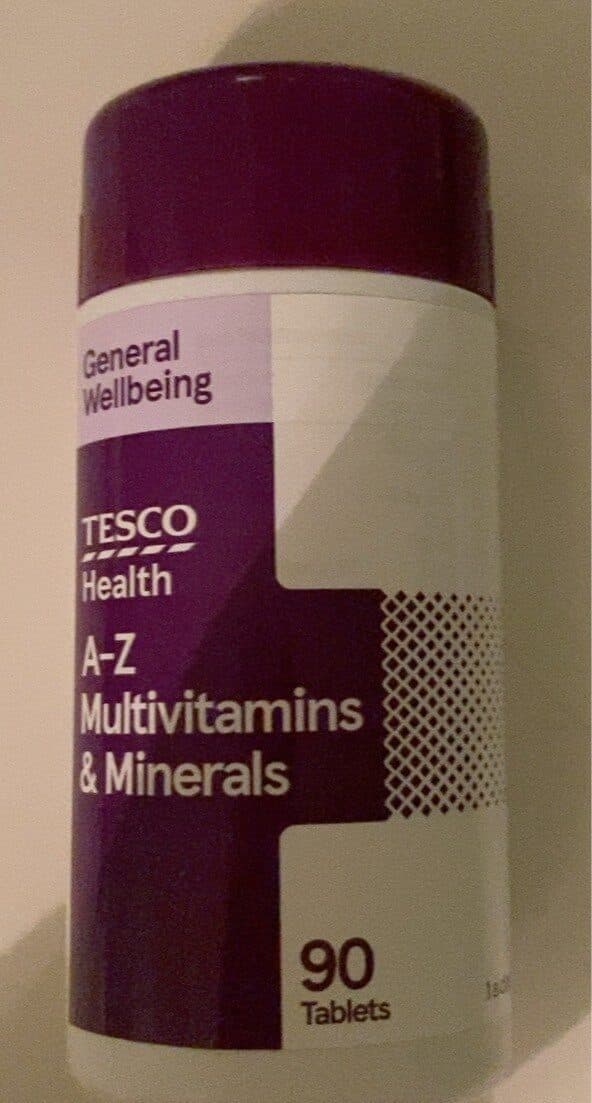
Tesco A–Z Multivitamins & Minerals
The supermarket own-brand multivitamin, reviewed against what multivitamin research actually shows. One tablet a day, 23 nutrients and about 5.5p a day — the cheapest multivitamin we have priced by a wide margin. It will not do much for someone who already eats well, and the amounts per tablet are on the pack but not on the listings we could read.
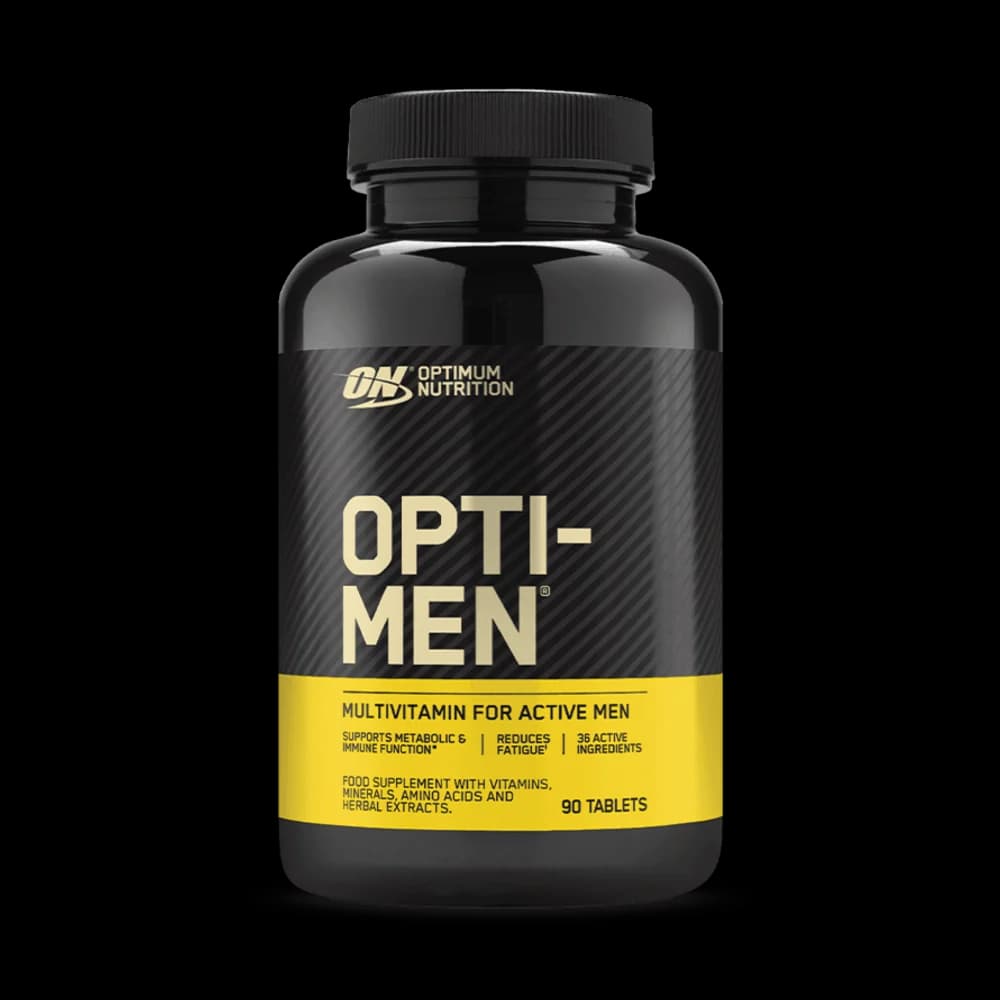
Optimum Nutrition Opti-Men
The gym-shelf men’s multivitamin, reviewed against what multivitamin research actually shows. The vitamin doses are sensible and the vitamin D is right for a UK winter — but most men who eat reasonably do not need a multivitamin, the extras are too small to matter, and it costs up to ten times as much a day as a supermarket A–Z.
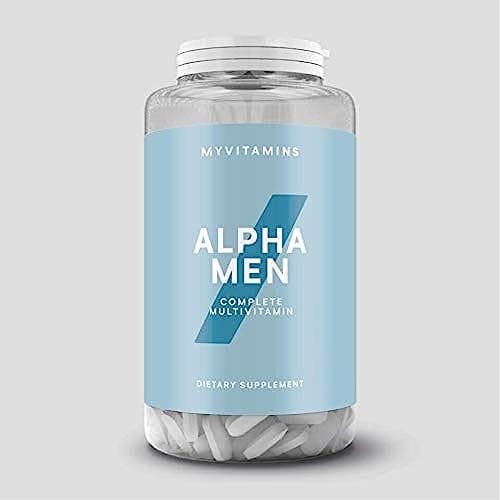
Myprotein Alpha Men
The value sports-shop men’s multivitamin, reviewed against what multivitamin research actually shows. It is cheap for what it lists — vitamins, minerals and a long run of herbal extracts including ginseng, ginkgo and royal jelly — but the extracts are almost certainly too small to matter, some carry real interaction risks, and listings disagree on how many tablets to take.
Affiliate links: we may earn a commission at no extra cost to you. Prices and availability change — check the seller before buying.
Where to buy
Affiliate link: we may earn a commission at no extra cost to you.
Check the current priceYour questions, answered.
Is Wellman Original worth taking?
For most men who eat a varied diet, no — a plain 10 µg vitamin D tablet in autumn and winter covers the main gap for less. If you want a multivitamin as insurance, Wellman is convenient and fairly cheap, but check its B6 and iron against anything else you take.
How much vitamin D is in Wellman Original?
Current UK listings give 10 µg per tablet, the amount the NHS advises in autumn and winter. Some older listings give 5 µg, so check the pack you buy.
Is it safe to take Wellman with a pre-workout?
Check the labels first. Wellman contains 9 mg of vitamin B6, and the NHS advises no more than 10 mg a day from supplements. Many pre-workouts and energy powders add B6, which could take you over that limit.
Should men take a multivitamin with iron?
Usually not. Most men get enough iron from food, and too much iron can be harmful. Men with haemochromatosis, a common inherited condition that is often undiagnosed, should avoid iron supplements.
Is Wellman better than Opti-Men?
It is one tablet instead of three and roughly a third of the price. Opti-Men has lower B6 and no iron on the European formula we reviewed. Neither is likely to benefit a man who already eats well, and a supermarket A–Z is cheaper than both.
Community experiences
Reader submissions open once a page is published from the editorial database. This overview is maintained in code, so there is nothing to attach a submission to yet. If you have used this product, send it through the contact page and it will be considered when submissions open.
References
- Vitabiotics product page for Wellman Original — the product described here; per-tablet amounts were read from retailer listings of it via search on 28 September 2026. vitabiotics.com
- Boots listing for Vitabiotics Wellman Original 30 tablets. boots.com
- PriceSpy UK comparison for Vitabiotics Wellman Original 30 tablets — the lowest price quoted here, read via search on 28 September 2026. pricespy.co.uk
- Gaziano et al. (2012), JAMA. Multivitamins in the prevention of cancer in men: the Physicians’ Health Study II randomised controlled trial. pubmed.ncbi.nlm.nih.gov
- Sesso et al. (2012), JAMA. Multivitamins in the prevention of cardiovascular disease in men: the Physicians’ Health Study II randomised controlled trial. pubmed.ncbi.nlm.nih.gov
- US Preventive Services Task Force (2022), JAMA. Vitamin, mineral and multivitamin supplementation to prevent cardiovascular disease and cancer: recommendation statement. pubmed.ncbi.nlm.nih.gov
- Loftfield et al. (2024), JAMA Network Open. Multivitamin use and mortality risk in three prospective US cohorts. pubmed.ncbi.nlm.nih.gov
- NHS. Vitamin D — the advice to consider 10 µg a day in autumn and winter. nhs.uk
- NHS. Vitamins and minerals — guidance on safe amounts from supplements, including vitamin B6, iron, beta-carotene, zinc, selenium and manganese. nhs.uk
- Great Britain nutrition and health claims register — the authorised vitamin and mineral claims on the pack. gov.uk
Page history
- First published for the UK market, as a full review of an alternative named in our Opti-Men review. We could not open Vitabiotics’ own product page, so the panel comes from retailer listings read via search on this date. This is a desk review: nobody on our team has used this product.
- Scored 5.4 out of 10 against the five published product criteria. The vitamin D dose is right and the price is modest. The marks lost are for weak evidence that well-fed men benefit, B6 just under the NHS limit, iron most men do not need, token extras and more than one version of the panel in circulation.
- Added our full review of Tesco A–Z Multivitamins & Minerals to the best alternatives and the comparison block. The score is unchanged.
- Added our full review of Myprotein Alpha Men to the best alternatives and the comparison block. The score is unchanged.
Compare it with
Side by side on the five scores, the dose against the studied amount, the cost per serving and what each label discloses.
- Vitabiotics Wellman Original vs NOW Omega-3 Molecularly Distilled6.4/10
- Vitabiotics Wellman Original vs Nature Made Vitamin D3 1000 IU7.4/10
- Vitabiotics Wellman Original vs Optimum Nutrition Gold Standard 100% Whey7.0/10
- Vitabiotics Wellman Original vs Myprotein Impact Whey Protein7.6/10
- Vitabiotics Wellman Original vs Kinetica Whey Protein8.0/10
- Vitabiotics Wellman Original vs Yu Sleep1.8/10
- Vitabiotics Wellman Original vs Pendulum Akkermansia4.0/10
- Vitabiotics Wellman Original vs Optimum Nutrition Micronised Creatine Powder7.4/10
- Vitabiotics Wellman Original vs Optimum Nutrition Opti-Men5.0/10
- Vitabiotics Wellman Original vs Optimum Nutrition Gold Standard 100% Casein Protein Powder6.6/10
- Vitabiotics Wellman Original vs Optimum Nutrition Serious Mass5.8/10
- Vitabiotics Wellman Original vs Myprotein Impact Creatine8.6/10
- Vitabiotics Wellman Original vs Myprotein Impact Weight Gainer6.8/10
- Vitabiotics Wellman Original vs Myprotein Slow-Release Casein7.6/10
- Vitabiotics Wellman Original vs Bulk Creatine Monohydrate8.2/10
- Vitabiotics Wellman Original vs Mutant Mass6.4/10
- Vitabiotics Wellman Original vs Tesco A–Z Multivitamins & Minerals6.0/10
- Vitabiotics Wellman Original vs Myprotein Alpha Men5.2/10
- Vitabiotics Wellman Original vs Optimum Nutrition Gold Standard 100% Plant Protein7.6/10
- Vitabiotics Wellman Original vs Myprotein Impact Vegan Protein8.2/10
- Vitabiotics Wellman Original vs Bulk Vegan Protein Powder7.4/10
Keep asking good questions.
Tesco A–Z Multivitamins & Minerals
The supermarket own-brand multivitamin, reviewed against what multivitamin research actually shows. One tablet a day, 23 nutrients and about 5.5p a day — the cheapest multivitamin we have priced by a wide margin. It will not do much for someone who already eats well, and the amounts per tablet are on the pack but not on the listings we could read.
Optimum Nutrition Opti-Men
The gym-shelf men’s multivitamin, reviewed against what multivitamin research actually shows. The vitamin doses are sensible and the vitamin D is right for a UK winter — but most men who eat reasonably do not need a multivitamin, the extras are too small to matter, and it costs up to ten times as much a day as a supermarket A–Z.
Myprotein Alpha Men
The value sports-shop men’s multivitamin, reviewed against what multivitamin research actually shows. It is cheap for what it lists — vitamins, minerals and a long run of herbal extracts including ginseng, ginkgo and royal jelly — but the extracts are almost certainly too small to matter, some carry real interaction risks, and listings disagree on how many tablets to take.