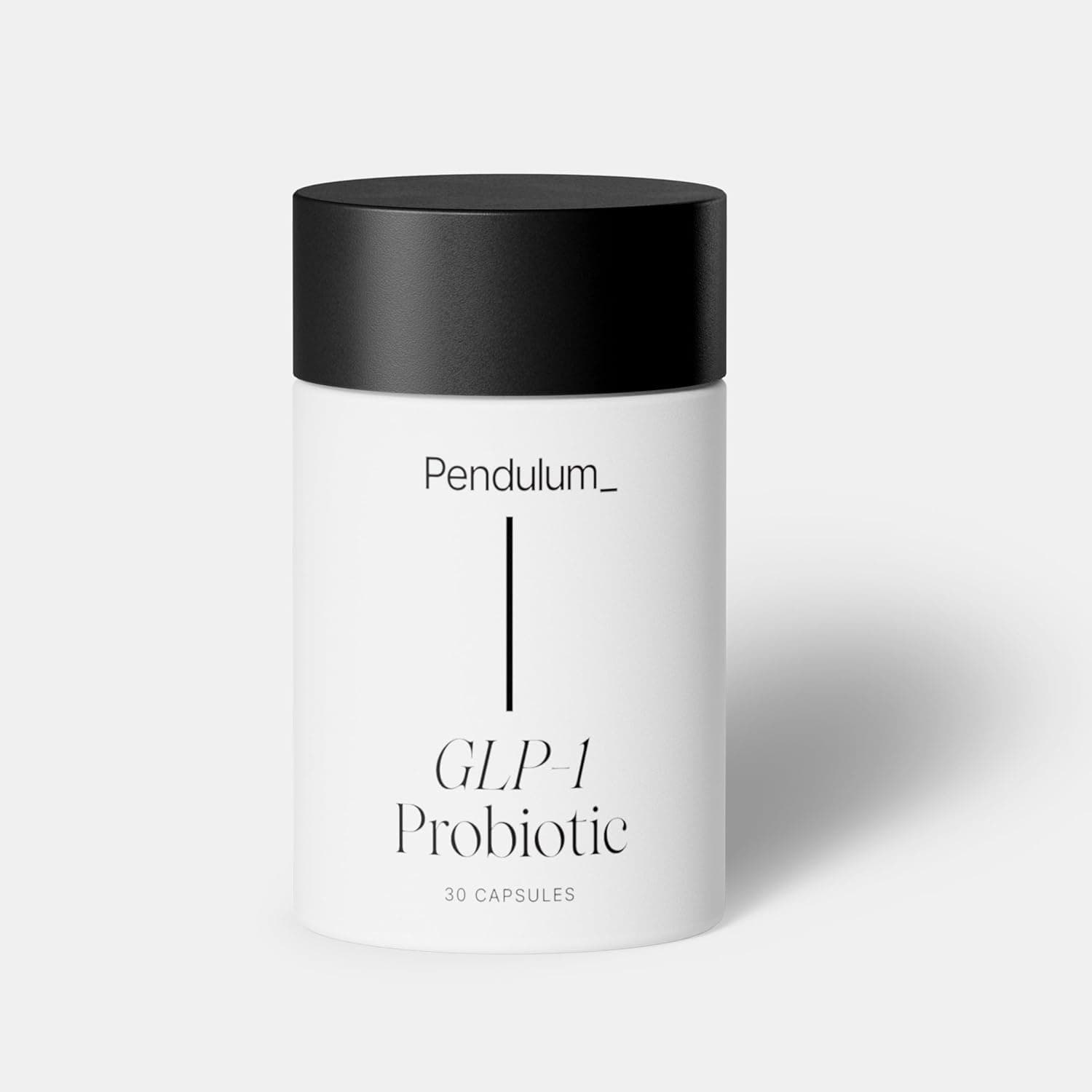
Pendulum GLP-1 Probiotic vs Supergut GLP-1 Daily Support (formerly GLP-1 Booster)
The published reviews of Pendulum GLP-1 Probiotic and Supergut GLP-1 Daily Support (formerly GLP-1 Booster), lined up: the five scores, what one serving delivers against the studied dose, the real cost per serving and what each label leaves out. Figures as of 25 September 2026.
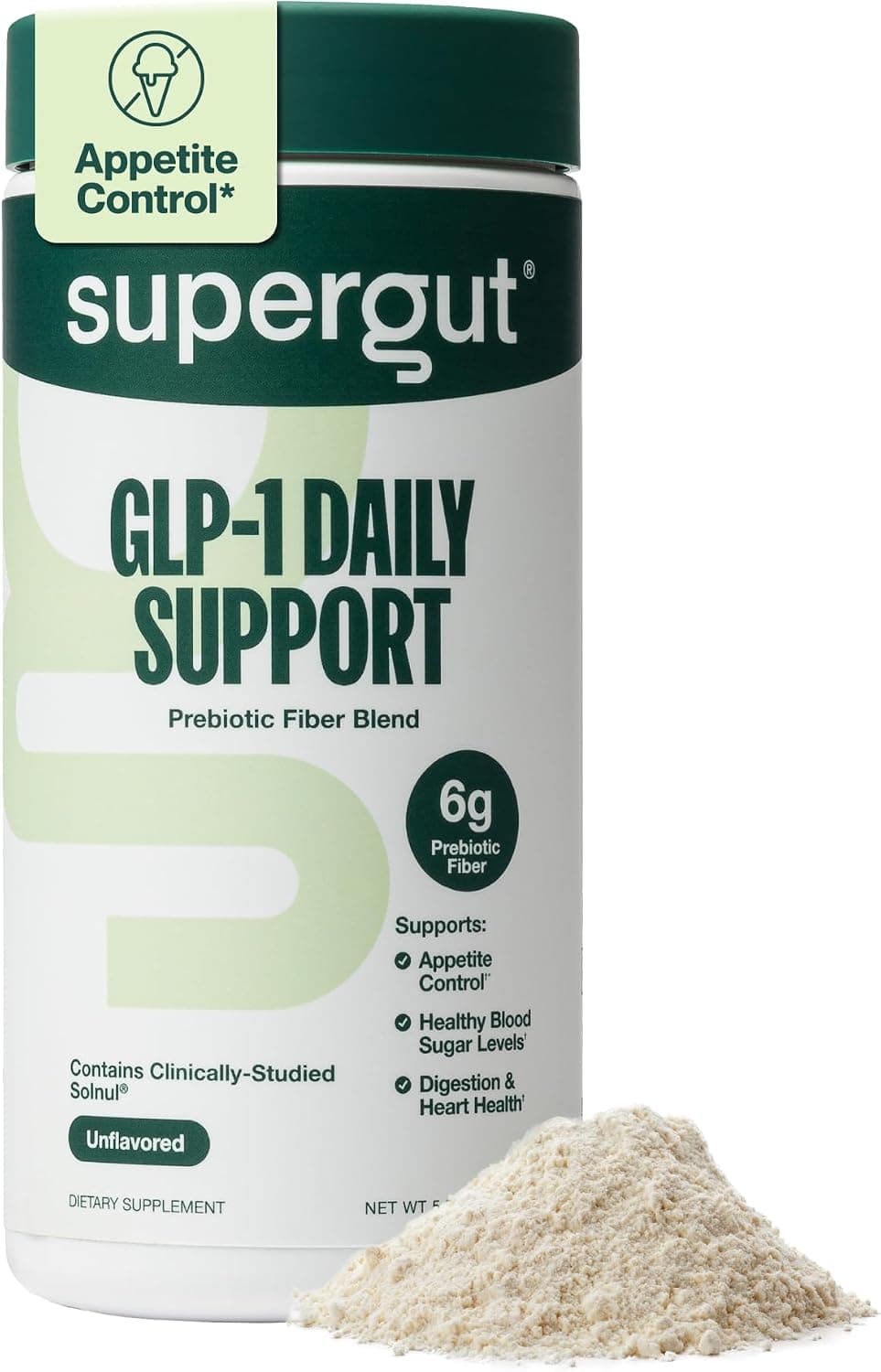
Supergut GLP-1 Daily Support (formerly GLP-1 Booster)
3.8/10
No dated price on file
Read the reviewThe short answer
Supergut GLP-1 Daily Support (formerly GLP-1 Booster) scores 3.8/10 against Pendulum GLP-1 Probiotic's 3.2. The widest gap is value against the generic equivalent: 2 for Pendulum GLP-1 Probiotic, 4 for Supergut GLP-1 Daily Support (formerly GLP-1 Booster).
Pick Pendulum GLP-1 Probiotic if…
- you want a product with a third-party certification
- you want every amount on the label disclosed
Pick Supergut GLP-1 Daily Support (formerly GLP-1 Booster) if…
- you want better value against the plain generic version
- you want the stronger evidence behind what it is sold to do
- tolerability and a well-characterised safety record come first
Criterion by criterion
The five criteria every review is scored on, published on the grading page. The overall score is their average.
Evidence for the marketed claim
How strong the research is for what the product is actually sold to do — not for the ingredient in general.
Dose against the studied amount
Whether one serving delivers the amount used in the research behind the claim.
Label transparency
Whether the Supplement Facts panel is published in readable text and every active amount is disclosed.
Value against the generic equivalent
Cost per gram or per dose of the active ingredient, compared with the plainest version of the same thing.
Safety and tolerability
Known risks and interactions, how well characterised they are, and whether the label warns about them.
Dose against the studied amount
What one labelled serving delivers, placed against the range on each ingredient’s evidence page. Where a label gives no figure, there is nothing to place, and that is the finding.
Chicory inulinEvidence B
Trial range: 5–20 g a day
- Pendulum GLP-1 Probiotic174 mgBelow range
- Supergut GLP-1 Daily Support (formerly GLP-1 Booster)Not in the formula
Akkermansia muciniphila (WB-STR-0001)Evidence D
No single studied range in label units, so amounts are shown but not placed.
- Pendulum GLP-1 ProbioticAbout 100 million AFU (inside a 500 million AFU blend)
- Supergut GLP-1 Daily Support (formerly GLP-1 Booster)Not in the formula
What it actually costs
Price divided by labelled servings, from a dated listing. A serving is whatever the label calls one, which is why the studied-dose row matters more than the headline figure.
- $89 for 30 capsules once, $64 a month on subscription (25 Sept 2026). No per-serving figure: servings not recorded.
- $60 for 40 scoops, or $48 on subscription, unflavored (25 Sept 2026). No per-serving figure: servings not recorded.
Label checks
What each label discloses, and what it leaves out. Read from the reviews, not from the marketing.
Pendulum GLP-1 Probiotic
- 2 of 4 listed ingredients have no stated amount
- Carries a third-party certification
- Chicory inulin: a serving gives 174 mg, below the 5–20 g a day trial range
Supergut GLP-1 Daily Support (formerly GLP-1 Booster)
- 4 of 5 listed ingredients have no stated amount
- No third-party certification
How this comparison is built
- Scores are the ones already published in each review. Nothing is re-scored for the comparison, and a product leads a criterion only when it outscores the rest.
- Doses are read from the label rows in each review and placed against the studied range on the matching ingredient page. A figure that is not printed is never estimated.
- Costs use a dated retailer price divided by labelled servings. Prices in different currencies are never ranked against each other.
- Only products in the same category, or ones a review names as an alternative, can be compared. Commission never changes what appears here.