Supergut GLP-1 Daily Support (formerly GLP-1 Booster) review
A pleasant, low-FODMAP resistant-starch fibre powder with a real mechanism behind it and a published trial behind the company. The trial was of a different product, in type 2 diabetes, and measured blood sugar rather than GLP-1 — and a scoop holds 6 g of fibre where the weight-loss research used 40.

Our take: good fibre, borrowed claim
Supergut sells the most credible-looking product in the fibre corner of the GLP-1 aisle. The company has a chief medical officer, a published randomised trial in a serious diabetes journal, a co-author from one of the best-known microbiome labs in the world, and a powder that is certified low-FODMAP, which matters for anyone whose gut objects to fibre.
The mechanism is also real. Fermentable fibre reaches the colon, gut bacteria turn it into short-chain fatty acids, and those act on the L-cells that release GLP-1. It is the best-documented way a food ingredient can influence GLP-1, and it is the basis of this product.
What does not follow is the product. The company's trial tested a meal-replacement shake in people with type 2 diabetes and reported blood sugar, not GLP-1 or weight. The research linking resistant starch to weight loss used 40 g a day; a scoop of this powder holds 6 g of mixed fibre, of which resistant starch is an undisclosed share. And Supergut's own fibre powder without "GLP-1" on the label contains the same 6 g a scoop and costs $10 less a tub.
Our view: if you want more fermentable fibre in your day and like this format, it is a reasonable way to get some. If you are buying it for GLP-1 or for weight, the label is promising more than the evidence supports.
This is a desk review of the published label and the research. Nobody here has used the product.
What is in the scoop
The product was sold as GLP-1 Booster and is now called GLP-1 Daily Support. The unflavored panel on Supergut's own site lists a 7.8 g scoop with 20 calories, 7 g of carbohydrate, 6 g of dietary fibre and 4 g of soluble fibre.
The ingredients are a single proprietary blend, "Supergut Resistant Starch Fiber Blend": soluble vegetable fibre from corn, green banana powder resistant starch, resistant potato starch branded Solnul, and oat beta-glucan. No individual amount is given for any of the four. Flavored versions add flavouring and give 6 to 7 g of fibre a scoop, according to the FAQ.
The panel appears on the product page only as an image, alongside Monash University low-FODMAP certification, a Non-GMO Project seal, a GMP mark and a "third-party tested" badge. We did not find a published certificate of analysis.
The directions disagree with themselves slightly. One section says mix one scoop and start slowly; the headline further down says "just two scoops a day". The serving count on the tub is based on one scoop, so at two a day a 40-serving tub lasts 20 days.
The mechanism: real, and weaker than the name suggests
The idea is sound and well described. Fermentable fibres — resistant starches, beta-glucans, inulin — feed colonic bacteria that produce acetate, propionate and butyrate, and those activate the FFAR2 and FFAR3 receptors on L-cells, prompting GLP-1 release. Our GLP-1 explainer covers the pathway in more detail.
The question is how much it matters. A 2026 scoping review in Frontiers in Endocrinology pooled 52 studies in 1,085 participants. Only some fibre types raised GLP-1 consistently, and — the finding that matters for a buyer — studies reporting a GLP-1 rise showed only a non-significant tendency to also report greater fullness. Raising the hormone on a blood test did not reliably mean eating less.
That is not a reason to avoid fibre. It is a reason to be sceptical of any product that sells fibre as a GLP-1 intervention, rather than as fibre.
The company's own trial
Supergut's headline evidence is a 2023 trial in Diabetes, Obesity and Metabolism. It randomised 192 people with type 2 diabetes — average HbA1c 7.8 per cent and BMI 35.9 — to a fibre-enriched nutritional shake containing resistant starch and oat beta-glucan, a matching shake without the fibre, or dietary advice alone, for 12 weeks. Participants built up to two shake packets a day, with at least one replacing a meal.
The fibre shake beat the placebo shake on its primary outcome, a diabetes-distress score, and on HbA1c, which fell 0.64 percentage points more than placebo. Two butyrate-producing bacterial species increased. For people with type 2 diabetes, a 0.64-point HbA1c improvement is a meaningful result.
Three things limit what it says about this powder. It tested a meal-replacement shake, not this product, and the people in it were replacing a meal. It enrolled people with type 2 diabetes, not the general buyer. And its abstract reports no GLP-1 measurement and no appetite endpoint. Four of the nine authors were Supergut employees, including its chief medical officer, alongside academic co-authors from Stanford and UCLA.
The product page also cites a Supergut and Tiny Health pilot and observational study from 2026, and notes that some results are self-reported. We could not find it published.
The dose problem
The strongest human evidence that resistant starch can help with weight is a 2024 randomised crossover trial in Nature Metabolism. Thirty-seven people with excess weight took 40 g of resistant starch a day from high-amylose maize for eight weeks, and lost a mean of 2.8 kg compared with a control starch, with better insulin sensitivity.
A scoop of this powder contains 6 g of fibre in total, spread across four ingredients, and the label does not say how much of it is resistant starch. Two scoops is 12 g. Even if every gram were resistant starch, you would need more than six scoops a day to reach the trial dose.
The Solnul potato starch inside has its own trial: 3.5 g a day for four weeks increased Bifidobacterium and Akkermansia and improved stool consistency against placebo. That is a real prebiotic effect at a low dose. It was run by the ingredient's maker, and it did not measure GLP-1, appetite or weight.
What the label used to say
The earlier GLP-1 Booster label, recorded in the NIH Dietary Supplement Label Database in 2025, carried the statements "Proven to Control Cravings Naturally" and "Clinically proven", with an 8.1 g scoop. The current product page talks about supporting appetite control and natural GLP-1 activity, which is softer and closer to what the evidence allows.
The change is an improvement. It also means buyers who picked up a tub a year ago were told something stronger than the research supported, and the product name still leads with GLP-1.
Price, per gram of fibre
On 25 September 2026 Supergut's own store listed the unflavored powder at $60 for 40 scoops, or $48 on subscription, and $32 for 20. Flavored tubs are $60 for 36. That is $1.50 a scoop bought once, or $3.00 a day at the two scoops the page recommends.
Per gram of fibre, $60 for 240 g of fibre is about $0.25 a gram — in line with fibre capsules such as NOW Glucomannan, and not a wild premium for a branded blend. The comparison that stands out is Supergut's own. Its Foundational Daily Fiber, also 6 g of fibre a scoop, costs $50 for 40 servings. The GLP-1 version costs $10 more per tub, and the extra buys a name rather than a documented difference in dose.
The Amazon listing linked here, for the 20-serving tub, showed 4.2 out of 5 across 1,923 ratings, with 9 per cent at one star. That reflects taste, mixing and digestion as much as anything, and reviewers of fibre products tend to be happier than reviewers of fat burners, because fibre does something you can feel.
Side effects and practical use
Resistant starch and fermentable fibre produce gas and bloating while your gut bacteria adjust, which is why the page tells you to start with one scoop and build up. The low-FODMAP certification is a genuine advantage for people with irritable bowel syndrome, who often react badly to fibres such as inulin.
Fibre can slow or reduce the absorption of some medicines if taken at the same time. If you take regular medication, ask a pharmacist how to space it. People on diabetes medicines should know the company's trial lowered HbA1c, and mention it to their prescriber. If you are on a prescription GLP-1 drug, which already slows the stomach and often causes constipation, raising fibre gradually can help — but that is advice about fibre in general, not about this product.
Sources and shopping: what to check
- Decide whether you will take one scoop or two, and budget from that: $1.50 or $3.00 a day bought once.
- Compare it with Supergut's own Foundational Daily Fiber, which has the same fibre per scoop for $10 less a tub.
- Judge it as fibre — regularity, fullness, digestion — over a few weeks, not as a GLP-1 treatment.
- If a subscription is cheaper, read the cancellation terms before starting one.
Our commercial link points to the 20-serving unflavored tub on Amazon; it earns a commission at no extra cost to you and has not changed the score. If a GLP-1 mechanism is what you are after, our Calocurb review covers the one supplement whose GLP-1 and weight claims come from trials of the actual extract.
Ingredient analysis
Supergut Resistant Starch Fiber Blend
weak evidenceThe whole blend, and the only amount the label gives. Fermentable fibre has a well-described route to GLP-1 release, but the evidence that it changes appetite or weight at 6 to 12 g a day is weak. The company’s own trial was of a different product in type 2 diabetes.
Resistant potato starch (Solnul)
weak evidenceSolnul has a supplier-run randomised trial showing a prebiotic effect at 3.5 g a day — more Bifidobacterium and Akkermansia, better stool consistency — over four weeks. It did not measure GLP-1, appetite or weight. How much is in a scoop here is not stated.
Green banana powder resistant starch
weak evidenceAnother type 2 resistant starch. The weight-loss trial of resistant starch used 40 g a day from high-amylose maize; this scoop contains 6 g of fibre across four ingredients.
Oat beta-glucan
moderate evidenceWell evidenced for lowering LDL cholesterol at about 3 g a day, and plausibly for fullness. With the amount undisclosed inside a 6 g blend, there is no way to tell whether a scoop reaches that.
Soluble vegetable fibre (from corn)
none evidenceA soluble corn fibre that contributes to the 4 g of soluble fibre per scoop, in an undisclosed amount. It adds fibre grams and mixes easily; there is no specific GLP-1 or weight evidence behind it in this product.
Who it’s for. What to consider.
Who it may suit
Someone who wants more fermentable fibre in their day in a mixable, low-FODMAP powder — for regularity, digestion or general gut health — and is happy to pay a little more for convenience. Particularly suited to people who react badly to inulin-heavy fibres.
Who should avoid it
Anyone buying it for GLP-1 or weight loss on the strength of the name. Anyone on regular medication until they have checked how to space it from fibre. Anyone who would be better served by the company’s own cheaper fibre powder, which has the same fibre per scoop.
What stands out
A genuine mechanism: fermentable fibre raises short-chain fatty acids, which act on the cells that release GLP-1
The company has a published randomised trial in type 2 diabetes, with HbA1c 0.64 points lower than placebo
Certified low-FODMAP, which makes it easier to tolerate than many fibre products
About $0.25 per gram of fibre, in line with other branded fibre products
4.2 out of 5 across 1,923 Amazon ratings
Worth considering
The company’s trial tested a meal-replacement shake in type 2 diabetes, not this powder, and reported no GLP-1 or appetite result
A scoop holds 6 g of mixed fibre; the resistant-starch weight trial used 40 g a day
All four fibres sit in a proprietary blend with no individual amounts
A 2026 review found GLP-1 rises from fibre did not reliably increase fullness
The older label said "clinically proven" and "proven to control cravings"
Supergut’s own non-GLP-1 fibre powder has the same fibre per scoop for $10 less
At the recommended two scoops a day, a 40-scoop tub lasts 20 days
Score breakdown
Five criteria, each out of 10, averaged to the overall score. See how we score products.
How does it compare?
A closer look at the alternatives. Compare the ingredients and serving sizes, then explore the full review.
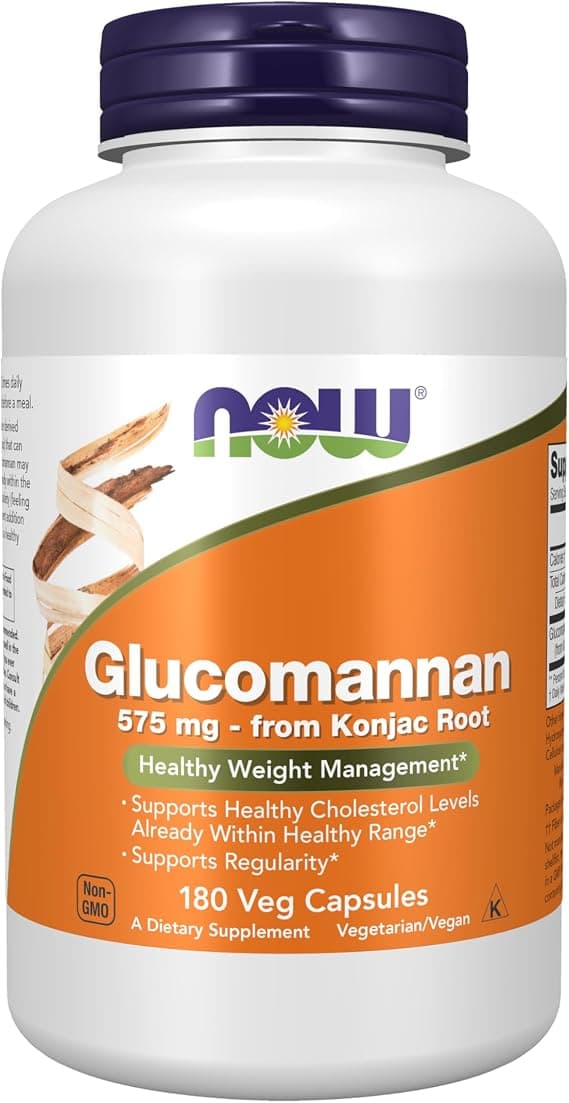
NOW Glucomannan 575 mg
An honest fibre capsule with a complete label, sold under a weight-management headline the trials do not support. The 575 mg on the front is one capsule; the serving is three, and at the label’s upper dose a 180-capsule bottle lasts a month, not six.
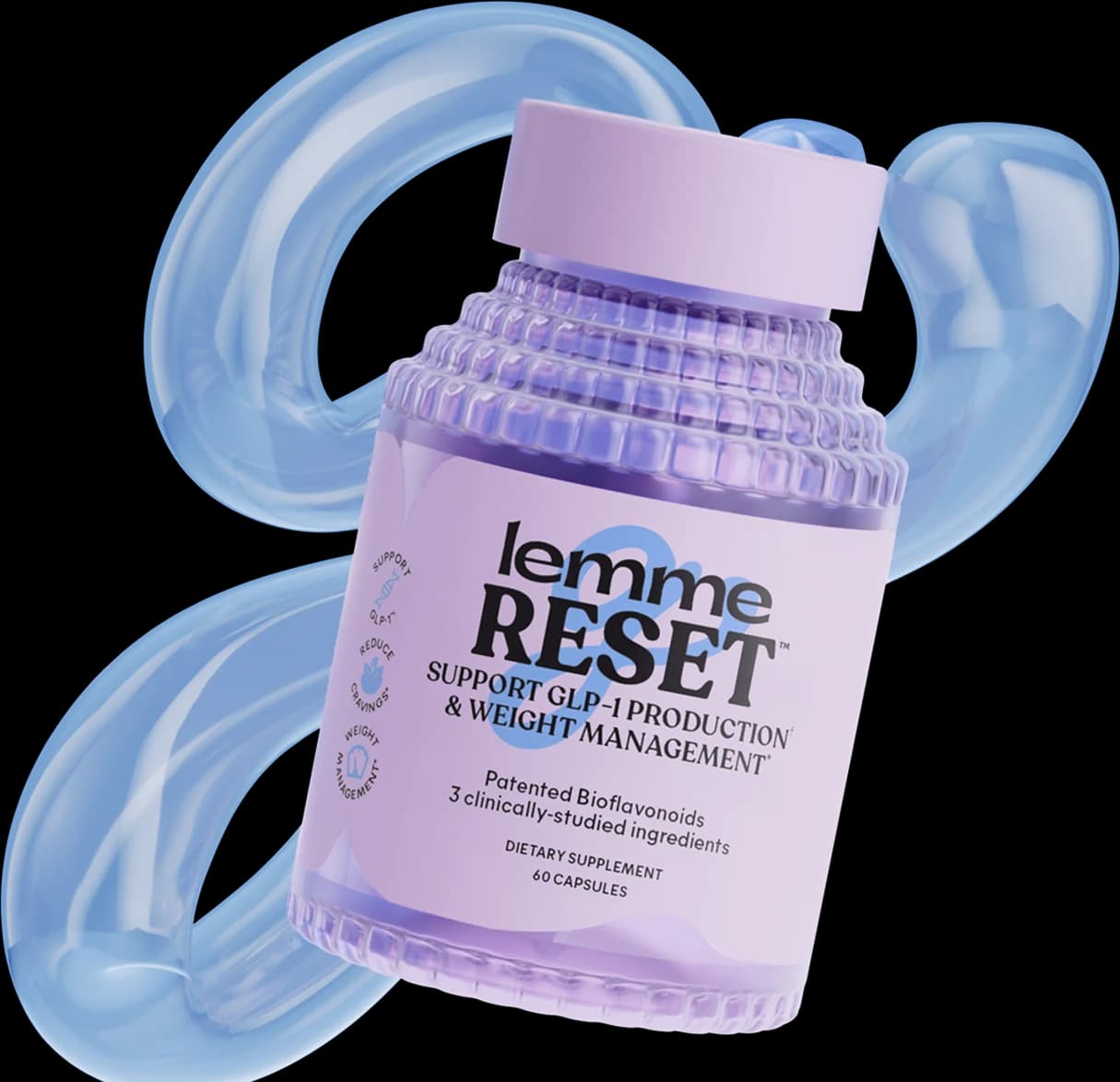
Lemme Reset (formerly GLP-1 Daily)
The best-dosed label in the GLP-1 supplement aisle: three branded extracts, each at the amount used in its own trial. The catch is the part in the name — the lemon extract that raised GLP-1 in its trial did not change anyone’s weight.
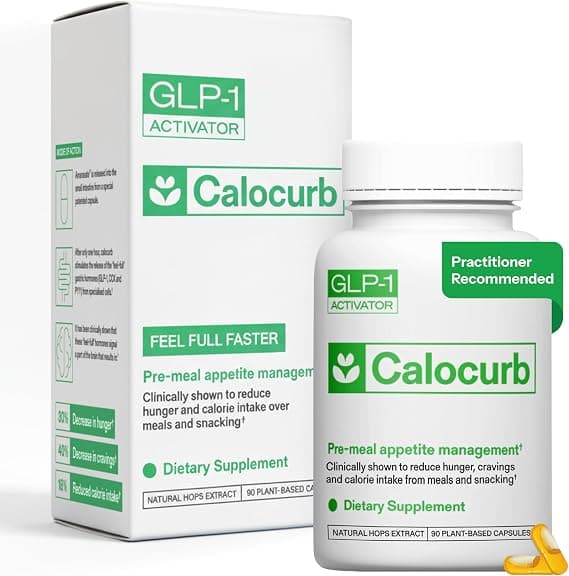
Calocurb (Amarasate)
The only supplement in the GLP-1 aisle with randomised human trials measuring both the hormones and the weight. The science is real, the dose on the label matches the dose in the studies — and at the label’s own target dose a bottle lasts 22 days, not the month it claims.
Affiliate links: we may earn a commission at no extra cost to you. Prices and availability change — check the seller before buying.
Where to buy
Sources and shopping optionsYour questions, answered.
Does Supergut GLP-1 Booster work?
As fibre, yes: it adds 6 g of fermentable fibre a scoop, which supports digestion and feeds gut bacteria. As a GLP-1 product, the evidence is thin. The company’s trial tested a different product in type 2 diabetes and reported blood sugar, not GLP-1 or appetite, and the dose of resistant starch here is far below the 40 g a day used in weight research.
Is GLP-1 Daily Support the same as GLP-1 Booster?
It is the same product line under a new name. The current unflavored panel gives a 7.8 g scoop with 6 g of fibre; the older GLP-1 Booster label in the NIH database gave an 8.1 g scoop, also with 6 g of prebiotic fibre, and carried stronger claims such as "clinically proven".
Does resistant starch raise GLP-1?
It can. Fermentation produces short-chain fatty acids that stimulate the cells releasing GLP-1. But a 2026 review of 52 studies found only some fibres raised GLP-1 consistently, and the rises did not reliably make people feel fuller. A GLP-1 increase on a blood test is not the same as eating less.
How much does it cost?
On 25 September 2026, $60 for 40 unflavored scoops on Supergut’s site, or $48 on subscription, and $32 for 20. That is $1.50 a scoop bought once, or $3.00 a day at the two scoops the page recommends.
Is it better than psyllium or glucomannan?
It is different rather than better. Psyllium and glucomannan are viscous fibres with stronger evidence for regularity and cholesterol. Supergut is built on fermentable resistant starch, which feeds gut bacteria, and is low-FODMAP. Per gram of fibre it costs about the same as glucomannan capsules.
Will it help me lose weight?
We would not expect much. The trial showing weight loss from resistant starch used 40 g a day for eight weeks, which is more than six scoops of this powder even if all of it were resistant starch. Fibre can help with fullness as part of a diet, but this is not a weight-loss product in any meaningful sense.
Are there side effects?
Mainly gas and bloating while your gut adjusts, which is why the directions say to start with one scoop. The low-FODMAP certification makes it gentler than many fibres. Space it from medicines, since fibre can slow their absorption.
Community experiences
Reader submissions open once a page is published from the editorial database. This overview is maintained in code, so there is nothing to attach a submission to yet. If you have used this product, send it through the contact page and it will be considered when submissions open.
References
- Supergut. GLP-1 Daily Support product page — Supplement Facts panel image, prices by pack size, directions, FAQ answers and the 2026 pilot-study footnote, read on 25 September 2026. supergut.com
- Supergut. Foundational Daily Fiber — $50 for 40 servings, read on 25 September 2026. Used as a price comparison within the brand. supergut.com
- NIH Office of Dietary Supplements. Dietary Supplement Label Database — Supergut GLP-1 Booster Unflavored, label 339064, recorded 22 August 2025, with the "Proven to Control Cravings Naturally" and "Clinically proven" statements. dsld.od.nih.gov
- Frias JP et al. (2023). A microbiome-targeting fibre-enriched nutritional formula is well tolerated and improves quality of life and haemoglobin A1c in type 2 diabetes: a double-blind, randomized, placebo-controlled trial. Diabetes, Obesity and Metabolism 25(5):1203-1212 — 192 participants, 12 weeks, HbA1c −0.64 against placebo; four of nine authors employed by Supergut. pubmed.ncbi.nlm.nih.gov
- Li H et al. (2024). Resistant starch intake facilitates weight loss in humans by reshaping the gut microbiota. Nature Metabolism 6(3):578-597 — 37 participants, 40 g a day of resistant starch for eight weeks, mean weight loss of 2.8 kg against control starch. nature.com
- Bush JR et al. (2023). Consumption of Solnul resistant potato starch produces a prebiotic effect in a randomized, placebo-controlled clinical trial. Nutrients 15(7):1582 — 3.5 g and 7 g a day for four weeks; conducted for the ingredient’s manufacturer. pubmed.ncbi.nlm.nih.gov
- Dietary fibers to boost endogenous GLP-1 secretion and satiety: a scoping review (2026). Frontiers in Endocrinology — 52 studies, 1,085 participants; GLP-1 rises showed only a non-significant tendency toward increased satiety. frontiersin.org
- Supergut GLP1 Daily Support, 20 servings — Amazon.com listing. 4.2 out of 5 across 1,923 ratings, 9 per cent one-star, read on 25 September 2026. amazon.com
Page history
- First published. Panel, prices and claims read from Supergut’s own pages; the earlier label from the NIH Dietary Supplement Label Database; the company trial and the Solnul trial from their PubMed abstracts. Nobody at SharpAndLean has used the product.
- Scored 3.8 out of 10 against the five published criteria. The low marks for evidence and dose reflect a company trial of a different product and a fibre dose far below the weight research; the safety mark reflects well-tolerated, low-FODMAP food fibres.
Compare it with
Side by side on the five scores, the dose against the studied amount, the cost per serving and what each label discloses.
- Supergut GLP-1 Daily Support (formerly GLP-1 Booster) vs NOW Psyllium Husk PowderNot scored
- Supergut GLP-1 Daily Support (formerly GLP-1 Booster) vs NOW Glucomannan 575 mg5.8/10
- Supergut GLP-1 Daily Support (formerly GLP-1 Booster) vs ColonBroom Psyllium Fiber Powder4.0/10
- Supergut GLP-1 Daily Support (formerly GLP-1 Booster) vs SlimSet2.8/10
- Supergut GLP-1 Daily Support (formerly GLP-1 Booster) vs SodaMelt1.4/10
- Supergut GLP-1 Daily Support (formerly GLP-1 Booster) vs Calocurb (Amarasate)6.6/10
- Supergut GLP-1 Daily Support (formerly GLP-1 Booster) vs MEDVi Weight Loss4.2/10
- Supergut GLP-1 Daily Support (formerly GLP-1 Booster) vs Lemme Reset (formerly GLP-1 Daily)6.2/10
- Supergut GLP-1 Daily Support (formerly GLP-1 Booster) vs Pendulum GLP-1 Probiotic3.2/10
Keep asking good questions.
NOW Glucomannan 575 mg
An honest fibre capsule with a complete label, sold under a weight-management headline the trials do not support. The 575 mg on the front is one capsule; the serving is three, and at the label’s upper dose a 180-capsule bottle lasts a month, not six.
Lemme Reset (formerly GLP-1 Daily)
The best-dosed label in the GLP-1 supplement aisle: three branded extracts, each at the amount used in its own trial. The catch is the part in the name — the lemon extract that raised GLP-1 in its trial did not change anyone’s weight.
Calocurb (Amarasate)
The only supplement in the GLP-1 aisle with randomised human trials measuring both the hormones and the weight. The science is real, the dose on the label matches the dose in the studies — and at the label’s own target dose a bottle lasts 22 days, not the month it claims.