ColonBroom GLP-1 Booster review
A berberine capsule that does not say how much berberine it contains. The label lists 200 mg of Berberis bark powder, where the weight research used more than 1,000 mg of berberine a day — and the product has changed formula twice in 18 months.

Our take: a berberine product without a berberine dose
ColonBroom made its name with a flavoured psyllium drink. Its GLP-1 Booster is something else entirely: a capsule built around berberine, the plant alkaloid that social media calls "nature’s Ozempic". There is no fibre in it, and it has nothing to do with the brand’s original product beyond the name.
Berberine is a reasonable ingredient to build on. Of everything sold as a natural GLP-1 product, it has one of the larger bodies of human weight research. The problem is how little of it this label can promise. The panel lists 200 mg of Berberis aristata bark powder — the weight of the ground bark, not of the berberine inside it — and the weight research NCCIH summarises used more than 1,000 mg of berberine a day. The other three ingredients have no weight effect in their own research at any dose.
Around that sits a product that has changed formula twice since April 2025, gives four different sets of directions, and on Amazon promises "zero side effects" while ColonBroom’s own safety article lists them. Our view: if you want to try berberine, buy a product that states how much berberine you are getting. This one does not.
This is a desk review of the labels, listings and published research. Nobody at SharpAndLean has taken the product.
Which ColonBroom GLP-1 are you buying?
At least three different products have been sold under this name. The one in your basket depends on where you buy it and when.
| Version | Where we found it | Actives | Directions |
|---|---|---|---|
| Original, April 2025 | First Amazon listing, still live | Chromium picolinate, berberine HCl, L-glutamine, hibiscus, lemon verbena, saffron extract, citrus bioflavonoids; amounts not in the listing text | With meals, 60 capsules a month |
| "New formula", November 2025 | Second Amazon listing, linked here | Zinc 15 mcg (as printed), Berberis aristata bark powder 200 mg, Polygonum cuspidatum root extract 200 mg, quercetin dihydrate 200 mg | Two capsules a serving, 60 capsules |
| One-a-day, 2026 | ColonBroom’s own store | Zinc 15 mg, Berberis 200 mg, Polygonum cuspidatum 125 mg, quercetin dihydrate 125 mg | One capsule a day, 30 capsules |
The berberine source is the same 200 mg in both current versions; the store’s one-a-day capsule trims the other two plant extracts from 200 mg to 125 mg. Reviews, ratings and testimonials attached to any one version tell you little about the others, and the original listing — with 1,364 ratings — sells a formula that shares only its berberine with what the brand now makes.
What is on the label
The Supplement Facts panel on the Amazon listing linked here gives a serving of two vegetarian capsules and 30 servings a bottle:
- Berberis aristata bark powder, 200 mg — "naturally occurring berberine", with no berberine percentage.
- Polygonum cuspidatum root extract 200:1, 200 mg — Japanese knotweed, "standardized to contain resveratrol", with no resveratrol percentage.
- Quercetin dihydrate, 200 mg — from Sophora japonica flower.
- Zinc (as zinc oxide), "15mcg", 136% of the daily value.
Credit where it is due: every ingredient has an amount, and there is no proprietary blend. But two of the four amounts are the weight of a plant material rather than of the compound the product is sold on, and "200:1" describes how concentrated an extract is, not how much resveratrol it contains.
The zinc line cannot be right as printed. The daily value for zinc is 11 mg, so 136 per cent of it is 15 mg — a thousand times more than 15 mcg. ColonBroom’s own store gives 15 mg, so the unit on the Amazon panel is almost certainly a typo. It is a small error, and exactly the kind our guide to reading a supplement label tells you to check: the panel is the one part of the packaging that has to be accurate, and this one is not.
Four sets of directions
How much to take depends on which ColonBroom page you read:
- The store page: "Take 1 pill 30 minutes before eating."
- ColonBroom’s own safety article: "Take 2 capsules about 30 minutes before your largest meal."
- The Amazon panel: a serving of two capsules. The Amazon infographic: "One capsule with water before a meal."
- The Amazon directions text: with meals, at breakfast or lunch, with a full glass of water.
Some of this is the reformulation — the one-a-day capsule really is one a day. But a buyer of the 60-capsule bottle is told both one and two, and the difference halves or doubles an already small berberine intake. Follow the panel on the bottle you actually receive.
The GLP-1 claim
ColonBroom describes the product as "a natural GLP-1 supplement designed to support appetite control", and the Amazon label says "clinically tested actives". There is no trial of the product. "Clinically tested actives" means the ingredients have been studied somewhere, at some dose, for something.
The two GLP-1 papers ColonBroom’s own article cites are worth knowing about. One is a 2024 narrative review of the pathways by which berberine may raise GLP-1, written from the perspective of type 2 diabetes treatment. The other is a 2025 study showing quercetin increased GLP-1 release from a human intestinal cell line in a dish. Neither measured GLP-1, appetite or weight in people taking these ingredients, let alone this capsule. Our GLP-1 explainer covers why raising the hormone slightly is not the same as what the drugs do.
One source of confusion to clear up: ClinicalTrials.gov lists a completed 69-person trial of a "GLP-1 Booster". It is a different product from a different sponsor — green tea, gardenia, turmeric, fenugreek, ginseng and white kidney bean extracts — with no connection to ColonBroom.
Berberine: the dose problem
NCCIH, the US government’s centre for complementary health research, summarises a 2022 meta-analysis of berberine for weight: 18 studies on body weight and 23 on BMI found significant decreases in both. It also calls the evidence inconclusive, notes that many of the studies had a high risk of bias, and says the effects were seen primarily at more than 1 gram a day for more than 8 weeks.
This label gives 200 mg of bark powder a serving. Berberine is one of several alkaloids in Berberis bark, and the label does not say what share of the powder it makes up. Even if every milligram were berberine, one serving would be a fifth of the lowest amount associated with a weight effect. On the store’s one-capsule directions, it would be a fifth of a serving that was already a fifth.
Much of the berberine research was done in people with type 2 diabetes, and a lot of it used purified berberine hydrochloride. ColonBroom’s May 2026 article on the product names "Berberine Hydrochloride" as the ingredient and its safety article says "Berberine: 200 mg"; the panel on the Amazon bottle says bark powder. Those are not the same thing, and only the panel is a legal statement of what is in the capsule.
Resveratrol and quercetin
The two supporting ingredients have been studied for weight, and the results are not encouraging. A 2026 meta-analysis of 23 randomised trials of resveratrol in 1,005 people with overweight or obesity found no significant effect on body weight, BMI or fat mass, and a small reduction in waist circumference of about 2 cm. For quercetin, a 2023 umbrella review of meta-analyses found no effect on body measurements, blood lipids, fasting glucose or inflammation, and a small drop in systolic blood pressure.
So the question of whether 125 to 200 mg is enough barely arises: neither ingredient moves weight in its own research. Zinc at 15 mg is an ordinary daily amount of an essential mineral, within the 40 mg adult upper limit. It is not a weight-loss ingredient.
What the listing promises
The claims have softened as the formula changed. The 60-capsule Amazon bottle says "promotes weight loss" and "enhances mood and reduces emotional eating"; the store’s 30-capsule bottle says "supports weight management" and "supports mood balance and healthy dietary choices". The softer wording is closer to what the ingredients can support.
The Amazon images have not caught up. One is headed "Drop your first pound in 3 weeks!" over a before-and-after pair of torsos, and says to expect fewer cravings and more energy within one to two weeks. Another is headed "Zero Side Effects!", with "NO nausea" and "NO constipation". ColonBroom’s own safety article says berberine may cause mild nausea, stomach discomfort, gas or changes in bowel habits, and NCCIH lists nausea, abdominal pain, bloating, constipation and diarrhoea among the side effects reported in berberine research.
On ratings, both Amazon listings stood at 3.4 out of 5 on 27 September 2026: 173 ratings on the new-formula listing, 23 per cent of them one star, and 1,364 on the original, 27 per cent one star. ColonBroom’s store page shows "12,300 reviews" without saying where they come from. A star rating mixes delivery, price and expectation, and says little about effect.
Price, subscription and refunds
On 27 September 2026 ColonBroom’s store opened on its subscription tab, where a single bottle shows as $49.99 with monthly delivery. Bought once, the same bottle is $69.99. Both are shown against a crossed-out $85.99.
| Plan | Price | Per day |
|---|---|---|
| 1 bottle, bought once | $69.99 | $2.33 |
| 3 bottles, bought once | $164.97 | $1.83 |
| 6 bottles, bought once | $239.94 | $1.33 |
| 1 bottle, monthly subscription | $49.99 | $1.67 |
| 3 bottles every 3 months | $104.22 | $1.16 |
| 6 bottles every 6 months | $154.98 | $0.86 |
Two terms matter before you choose a subscription. ColonBroom’s help centre says that if you cancel before the first recurring charge, you pay the difference between the subscription price and the one-time price — the discount is effectively clawed back. After the first renewal you can cancel without that charge.
And refunds are narrower than "try it and see". The refund policy covers goods that are faulty or not as described, reported within 14 days of delivery with visual proof, returned unopened in the original packaging. On subscriptions, only the initial purchase is eligible, and US and Canadian customers have $15 deducted for the return label. An opened bottle that simply did not work for you is not covered.
Side effects and who should avoid it
At these amounts the gastrointestinal effects reported at gram doses of berberine are less likely, but not ruled out. The more important cautions are about who should not take berberine at all. NCCIH says berberine exposure has been linked to a harmful build-up of bilirubin in infants, that it is likely unsafe for infants, and that it may be unsafe in pregnancy or while breastfeeding. It is known to interact with cyclosporine, the transplant drug, and NCCIH advises checking with a clinician before taking it alongside any medicine.
ColonBroom’s own safety article adds that people on blood sugar or blood pressure medicines should check first, that children should not use it, that people with heart rhythm problems should avoid it, and that it should be stopped two weeks before surgery. Those warnings are sensible. They are also missing from the Amazon images that promise zero side effects.
Sources and shopping: what to check
- Match the formula. Check the panel on the listing against the table above before you order, and again when the bottle arrives.
- If berberine is what you want, look for a label that states the berberine content in milligrams, not the weight of a bark or root powder.
- Decide on one capsule or two from the panel on your bottle, not from an infographic.
- Before subscribing, read the cancellation clause: cancelling before the first renewal costs you the discount back.
- If you take any regular medicine, are pregnant or breastfeeding, or have surgery coming up, ask a clinician before starting.
Our commercial link points to the new-formula Amazon listing; it earns a commission at no extra cost to you and has not changed the score. If a GLP-1 product is what you are after, our ranking of GLP-1 supplements puts every one we have reviewed side by side, and our guide to natural GLP-1 alternatives covers the foods and habits with better evidence than any capsule. ColonBroom’s original product is reviewed separately in our ColonBroom psyllium review.
Ingredient analysis
Berberis aristata bark powder (naturally occurring berberine)
weak evidenceBerberine itself has a weight signal in meta-analyses, but NCCIH calls the evidence inconclusive and ties the effects to more than 1 g a day for more than 8 weeks. This is the weight of the ground bark, of which berberine is a fraction; even at 100 per cent it would be a fifth of that threshold.
Polygonum cuspidatum root extract 200:1 (resveratrol)
weak evidenceJapanese knotweed, the usual commercial source of resveratrol. A 2026 meta-analysis of 23 trials found no significant effect of resveratrol on body weight, BMI or fat mass, and a waist reduction of about 2 cm. "200:1" is a concentration ratio, not a resveratrol figure.
Quercetin dihydrate (Sophora japonica)
none evidenceRaised GLP-1 release from intestinal cells in a dish. In people, a 2023 umbrella review of meta-analyses found no effect on body measurements, lipids or glucose, and a small fall in systolic blood pressure.
Zinc (as zinc oxide)
none evidenceAn essential mineral at an ordinary daily amount, within the 40 mg adult upper limit. Not a weight-loss ingredient. The Amazon panel’s unit contradicts its own daily-value figure, which only fits 15 mg.
Who it’s for. What to consider.
Who it may suit
Hard to recommend for its stated purpose. Someone who has decided to try berberine is better served by a product that states its berberine content; someone buying for GLP-1 or weight loss is paying for amounts well below the research.
Who should avoid it
Anyone pregnant or breastfeeding, and children. Anyone taking cyclosporine, diabetes or blood pressure medicines, or other regular medication, until they have checked with a clinician. Anyone with a heart rhythm problem or surgery within two weeks. Anyone expecting a GLP-1 drug-like effect.
What stands out
Every ingredient has a stated amount — there is no proprietary blend
Stimulant-free, with zinc within the adult upper limit
Berberine has more human weight research behind it than most ingredients sold as natural GLP-1 products
The newer store label has softened its claims from "promotes weight loss" to "supports weight management"
Worth considering
The label gives 200 mg of Berberis bark powder, not a berberine dose; the weight research used more than 1,000 mg of berberine a day
Resveratrol and quercetin showed no significant effect on body weight in their own meta-analyses
No trial of the product; the GLP-1 papers cited are a pathway review and a cell study
Three formulas under one name since April 2025, and four different sets of directions
The Amazon panel prints zinc as 15 mcg beside 136% of the daily value, which only fits 15 mg
Amazon images promise "zero side effects" and a pound lost in three weeks
Cancelling a subscription before the first renewal means repaying the discount, and opened bottles cannot be returned
3.4 out of 5 on both Amazon listings, with around a quarter of ratings at one star
Score breakdown
Five criteria, each out of 10, averaged to the overall score. See how we score products.
How does it compare?
A closer look at the alternatives. Compare the ingredients and serving sizes, then explore the full review.
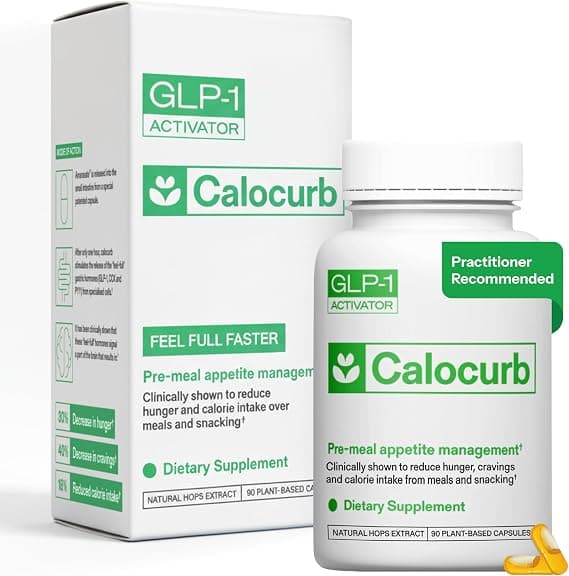
Calocurb (Amarasate)
The only supplement in the GLP-1 aisle with randomised human trials measuring both the hormones and the weight. The science is real, the dose on the label matches the dose in the studies — and at the label’s own target dose a bottle lasts 22 days, not the month it claims.
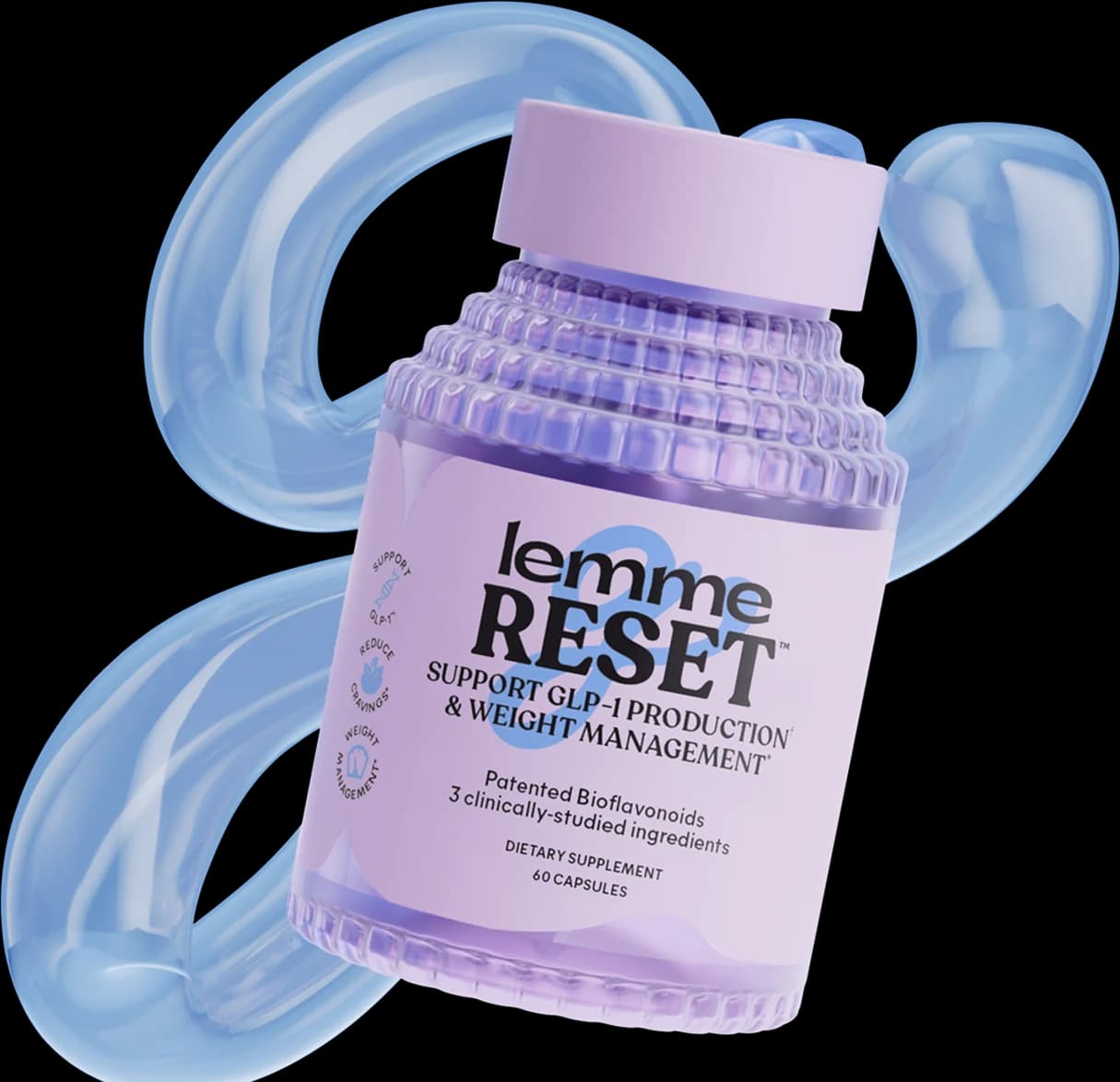
Lemme Reset (formerly GLP-1 Daily)
The best-dosed label in the GLP-1 supplement aisle: three branded extracts, each at the amount used in its own trial. The catch is the part in the name — the lemon extract that raised GLP-1 in its trial did not change anyone’s weight.
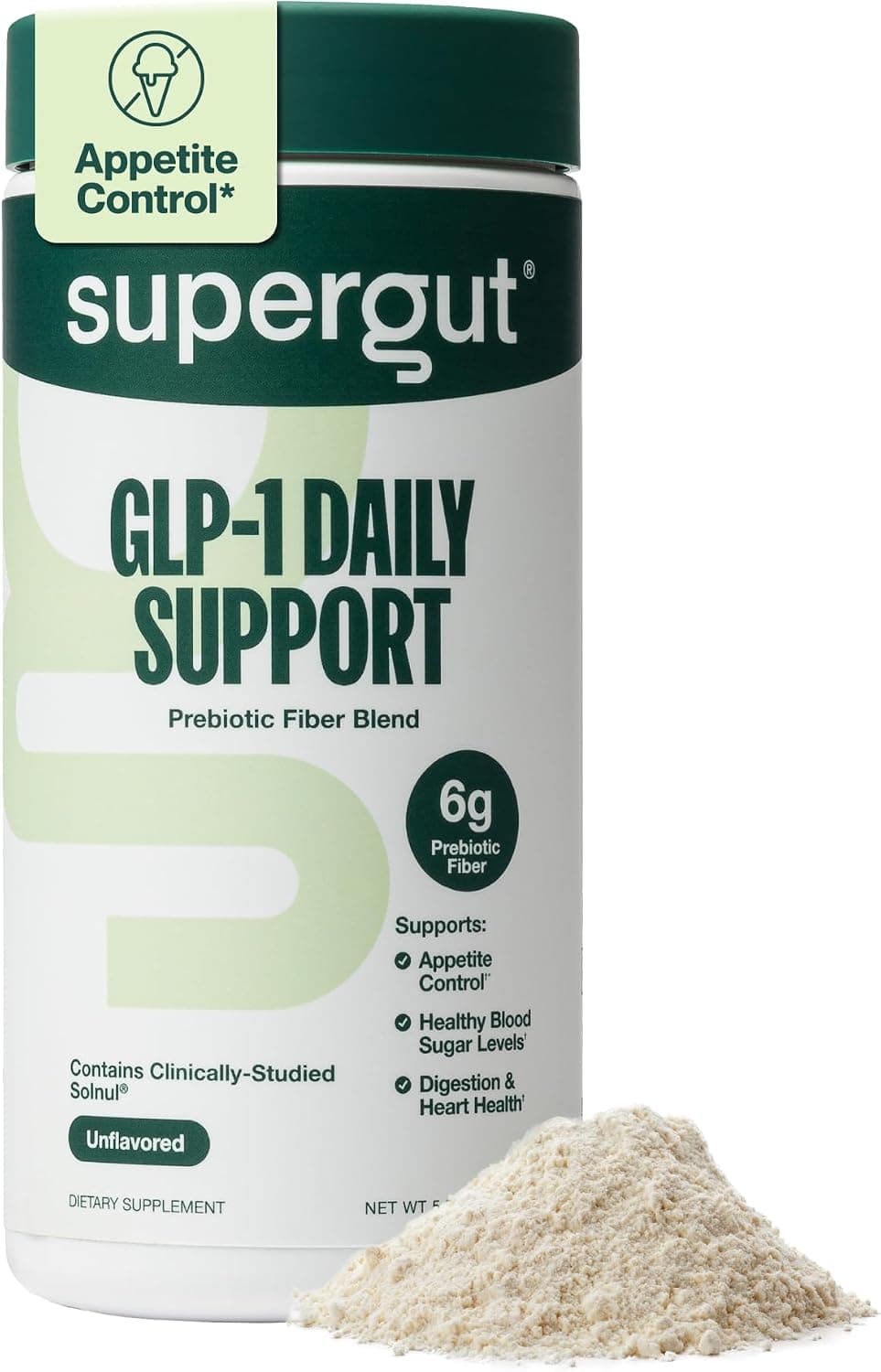
Supergut GLP-1 Daily Support (formerly GLP-1 Booster)
A pleasant, low-FODMAP resistant-starch fibre powder with a real mechanism behind it and a published trial behind the company. The trial was of a different product, in type 2 diabetes, and measured blood sugar rather than GLP-1 — and a scoop holds 6 g of fibre where the weight-loss research used 40.
Affiliate links: we may earn a commission at no extra cost to you. Prices and availability change — check the seller before buying.
Where to buy
Sources and shopping optionsYour questions, answered.
Does ColonBroom GLP-1 Booster work?
There is no trial of the product. Its main ingredient, berberine, has a modest and uncertain weight effect at more than 1 g a day for more than 8 weeks. This label gives 200 mg of Berberis bark powder, without saying how much of that is berberine, and its other ingredients showed no weight effect in their own research. We would not expect a measurable result.
Does it contain GLP-1 or work like Ozempic?
No. It contains no GLP-1 and no drug. The name refers to research suggesting berberine and quercetin can nudge the body’s own GLP-1 release, mostly from reviews of mechanisms and cell studies. Prescription GLP-1 drugs mimic the hormone at levels far above anything a supplement can produce.
How much berberine is in ColonBroom GLP-1?
The label does not say. It lists 200 mg of Berberis aristata bark powder per serving, which is the weight of the ground bark; berberine is one of several alkaloids in it. ColonBroom’s own articles describe it as berberine hydrochloride or "Berberine: 200 mg", but the Supplement Facts panel is the legal statement of content, and it says bark powder.
Should I take one capsule or two?
Follow the panel on the bottle you receive. The store’s newer 30-capsule bottle is one capsule a day. The 60-capsule bottle on Amazon has a two-capsule serving on its panel, but its own infographic and ColonBroom’s store page both say one. The brand’s safety article says two before your largest meal.
How much does it cost?
On 27 September 2026, $69.99 for a 30-day bottle bought once, or $49.99 a month on subscription, which is the tab the store opens on. Multi-bottle subscriptions bring it down to $0.86 a day. Cancelling a subscription before the first renewal means paying back the difference from the one-time price.
Can I get a refund if it does not work?
Probably not. ColonBroom’s refund policy covers goods that are faulty or not as described, reported within 14 days of delivery and returned unopened in the original packaging, with $15 deducted for the US return label. Recurring subscription deliveries are not refundable.
Is it safe?
For most healthy adults the amounts are small. Berberine can cause nausea, stomach upset, constipation or diarrhoea, despite the Amazon images promising zero side effects. It is likely unsafe for infants, may be unsafe in pregnancy and breastfeeding, and interacts with cyclosporine; check with a clinician if you take diabetes, blood pressure or other regular medicines.
Is it the same as ColonBroom’s fibre drink?
No. The original ColonBroom is a flavoured psyllium husk powder. The GLP-1 Booster is a capsule of berberine-containing bark, knotweed extract, quercetin and zinc, with no fibre. Our separate ColonBroom review covers the psyllium product.
Community experiences
Reader submissions open once a page is published from the editorial database. This overview is maintained in code, so there is nothing to attach a submission to yet. If you have used this product, send it through the contact page and it will be considered when submissions open.
References
- ColonBroom. GLP-1 Booster product page — one-time and subscription prices, "Take 1 pill 30 minutes before eating", the one-a-day ingredient image (zinc 15 mg, Berberis 200 mg, Polygonum cuspidatum 125 mg, quercetin dihydrate 125 mg) and the "12,300 reviews" figure, read on 27 September 2026. colonbroom.com
- ColonBroom GLP-1 Weight Management, 60 count (new formula) — Amazon.com listing. Supplement Facts panel image, directions, label and infographic claims; 3.4 out of 5 across 173 ratings, 23 per cent one star; first available 21 November 2025. Read on 27 September 2026. amazon.com
- ColonBroom GLP-1 Weight Management, 60 count (original) — Amazon.com listing. Ingredient list in the product description; 3.4 out of 5 across 1,364 ratings, 27 per cent one star; first available 8 April 2025. Read on 27 September 2026. amazon.com
- ColonBroom. What is ColonBroom GLP-1 Booster? (5 May 2026) — ingredients described as berberine hydrochloride, resveratrol, quercetin dihydrate and zinc citrate; cites the two GLP-1 papers below. colonbroom.com
- ColonBroom. Is ColonBroom GLP-1 safe? (6 May 2026) — "Take 2 capsules about 30 minutes before your largest meal"; berberine side effects; who should not use it. colonbroom.com
- NCCIH. Berberine and Weight Loss: What You Need To Know (November 2023) — 2022 meta-analysis of 18 weight and 23 BMI studies; effects primarily above 1 g a day for more than 8 weeks; side effects, cyclosporine interaction, and risks in infancy, pregnancy and breastfeeding. nccih.nih.gov
- Araj-Khodaei M et al. (2024). Berberine-induced glucagon-like peptide-1 and its mechanism for controlling type 2 diabetes mellitus: a comprehensive pathway review. Archives of Physiology and Biochemistry 130(6):678-685. pubmed.ncbi.nlm.nih.gov
- Wang C et al. (2025). Quercetin enhances GLP-1 secretion via TAS2R38-mediated PLC signaling in enteroendocrine L-cells. Molecular Nutrition & Food Research 69(16):e70109 — NCI-H716 cell line. pubmed.ncbi.nlm.nih.gov
- Setayesh A et al. (2026). The effect of resveratrol supplementation on anthropometric indices, adiponectin and leptin levels in individuals with overweight and obesity: a graded, systematic review and meta-analysis of randomized controlled trials. International Journal of Obesity 50(3):492-506 — 23 trials, 1,005 participants. pubmed.ncbi.nlm.nih.gov
- Arabi SM et al. (2023). The effects of quercetin supplementation on cardiometabolic outcomes: an umbrella review of meta-analyses of randomized controlled trials. Phytotherapy Research 37(11):5080-5091. pubmed.ncbi.nlm.nih.gov
- NIH Office of Dietary Supplements. Zinc: fact sheet for health professionals — daily value of 11 mg and adult upper limit of 40 mg. ods.od.nih.gov
- ClinicalTrials.gov NCT07141472. Effects of a GLP-1 Booster on blood glucose, HbA1c, insulin, GLP-1 and body weight — a 69-participant trial of an unrelated product (green tea, gardenia, turmeric, black pepper, fenugreek, ginseng and white kidney bean extracts), sponsor Lawry Han. clinicaltrials.gov
- ColonBroom help centre. What are the subscription cancelation policies? — cancelling before the first recurring charge requires paying the difference from the one-time price. Read on 27 September 2026. help.colonbroom.com
- ColonBroom help centre. Refund policy — faulty or not-as-described goods only, within 14 days, unopened; initial subscription purchase only; $15 US and Canada return label deducted. Read on 27 September 2026. help.colonbroom.com
Page history
- First published. Prices, directions and the one-a-day formula read from ColonBroom’s store; the Supplement Facts panel, images and ratings from both Amazon listings; refund and cancellation terms from ColonBroom’s help centre; research from NCCIH and PubMed, all on this date. Nobody at SharpAndLean has taken the product.
- Scored 2.8 out of 10 against the five published criteria. The low marks for evidence and dose reflect a berberine-led product that states no berberine dose and falls well below the research amounts; the safety mark reflects small amounts of well-studied ingredients, held back by the berberine cautions and the "zero side effects" claim.
Compare it with
Side by side on the five scores, the dose against the studied amount, the cost per serving and what each label discloses.
- ColonBroom GLP-1 Booster vs NOW Psyllium Husk PowderNot scored
- ColonBroom GLP-1 Booster vs NOW Glucomannan 575 mg5.8/10
- ColonBroom GLP-1 Booster vs ColonBroom Psyllium Fiber Powder4.0/10
- ColonBroom GLP-1 Booster vs SlimSet2.8/10
- ColonBroom GLP-1 Booster vs SodaMelt1.4/10
- ColonBroom GLP-1 Booster vs Calocurb (Amarasate)6.6/10
- ColonBroom GLP-1 Booster vs MEDVi Weight Loss4.2/10
- ColonBroom GLP-1 Booster vs Lemme Reset (formerly GLP-1 Daily)6.2/10
- ColonBroom GLP-1 Booster vs Supergut GLP-1 Daily Support (formerly GLP-1 Booster)3.8/10
- ColonBroom GLP-1 Booster vs Pendulum GLP-1 Probiotic3.2/10
Keep asking good questions.
Calocurb (Amarasate)
The only supplement in the GLP-1 aisle with randomised human trials measuring both the hormones and the weight. The science is real, the dose on the label matches the dose in the studies — and at the label’s own target dose a bottle lasts 22 days, not the month it claims.
Lemme Reset (formerly GLP-1 Daily)
The best-dosed label in the GLP-1 supplement aisle: three branded extracts, each at the amount used in its own trial. The catch is the part in the name — the lemon extract that raised GLP-1 in its trial did not change anyone’s weight.
Supergut GLP-1 Daily Support (formerly GLP-1 Booster)
A pleasant, low-FODMAP resistant-starch fibre powder with a real mechanism behind it and a published trial behind the company. The trial was of a different product, in type 2 diabetes, and measured blood sugar rather than GLP-1 — and a scoop holds 6 g of fibre where the weight-loss research used 40.